
Introduction
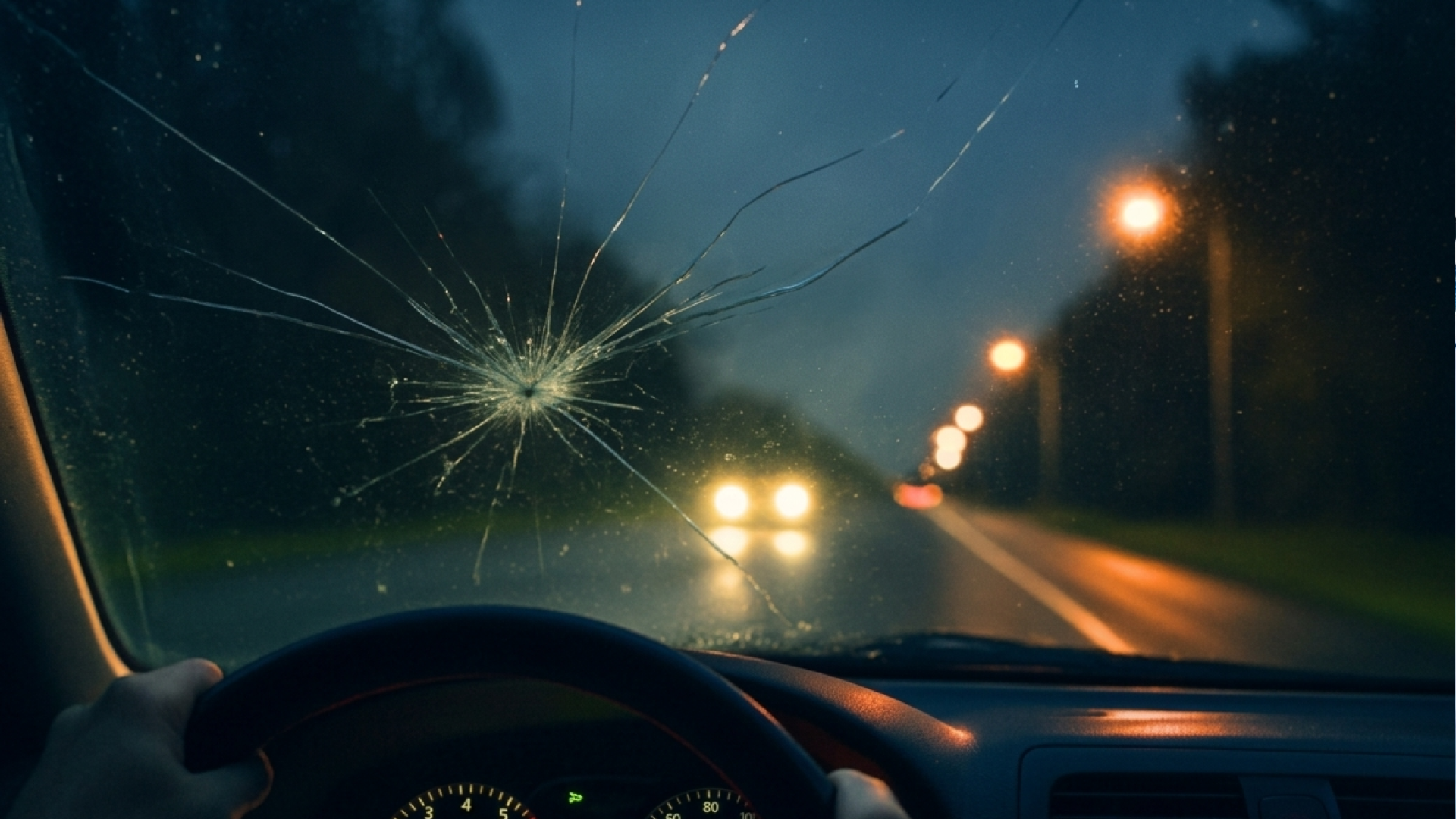
Driving at night already requires more visual attention than driving during daylight. Headlights from oncoming vehicles, streetlights, reflections, shadows, and reduced contrast can make it harder to see hazards clearly. Add a damaged windshield to the equation, and visibility can become even more challenging.
A small rock chip may seem harmless during the day. A few tiny scratches might not bother you on your morning commute. But after sunset, those same imperfections can scatter light across your field of vision, create distracting glare, or make an approaching vehicle's headlights appear brighter and more distorted than they really are.
Windshield damage is not only a cosmetic concern. Your windshield is a critical part of the vehicle's visibility system and also contributes to the structural integrity of the passenger compartment. Damage in the driver's viewing area can interfere with clear vision, particularly when lighting conditions are poor.
Understanding how chips, cracks, scratches, pitting, and other windshield defects affect night driving can help you make better decisions about repair or replacement. It can also help you recognize common signs your windshield damage needs professional attention.
Why Windshield Visibility Matters More at Night
During daylight, natural light provides strong contrast between objects, road markings, vehicles, pedestrians, and the surrounding environment. At night, your eyes have less ambient light to work with.
Your vision becomes more dependent on artificial light sources, including headlights and streetlights. This creates a problem when the windshield contains imperfections that interrupt or scatter that light.
Your Windshield Is Part of Your Visual Field
A windshield is designed to provide a clear, relatively distortion-free view of the road. Even when damage does not completely block your vision, it can change how light passes through the glass.
A damaged area may:
Scatter light from headlights
Produce glare or halos
Create distracting reflections
Distort objects behind or around the damaged area
Make road markings harder to distinguish
Increase eye strain during longer drives
Reduce confidence when judging distance at night
The effect can be particularly noticeable when a vehicle approaches with bright LED headlights or when you drive through an area with many streetlights.
Night Driving Gives Windshield Damage More Impact
A rock chip that is barely visible at noon can become much more noticeable after dark. Light entering the windshield interacts with the uneven surface created by the damage. This is a primary reason why even small windshield damage can affect driver visibility significantly once lighting conditions drop.
Drivers sometimes discover a visibility problem only after driving at night. They may assume their eyes are simply adjusting to darkness when the windshield itself is contributing to the visual distraction.
How Different Types of Windshield Damage Affect Night Visibility
Not all windshield damage affects visibility in exactly the same way. The location, size, depth, and type of damage all matter.
Rock Chips
A rock chip creates a small damaged area where the glass has been struck. Even if the chip is relatively small, its irregular surface can scatter incoming light. At night, headlights shining toward the windshield can make the chip appear brighter or more distracting than it does during daylight.
A chip also has the potential to develop into a larger crack, particularly when the glass experiences temperature changes, vibration, or additional impacts. Understanding how rock chips spread into large cracks highlights why addressing them early is critical.
Windshield Cracks
Cracks can create longer lines of visual distortion across the windshield. Depending on their location, they may interfere directly with the driver's view of the road.
A crack can also spread over time. A windshield that was manageable earlier in the day may become significantly more difficult to see through if the damage expands into the driver's primary viewing area. That is why fast windshield crack repair can save you money and improve safety.
Scratches and Wiper Marks
Windshield scratches can be especially frustrating at night. Instead of a single damaged point, scratches may create multiple surfaces that catch and reflect light.
Worn windshield wipers can contribute to this problem by repeatedly moving dirt or debris across the glass. Over time, the windshield may develop fine marks that become much more visible when illuminated by headlights. This is a major reason why windshield wipers can shorten the life of damaged auto glass.
Pitting and Surface Damage
After years of highway driving, a windshield can accumulate tiny pits from road debris. These imperfections may not look serious individually, but many small defects across the glass can affect optical clarity.
Drivers who frequently travel at highway speeds may notice more glare or visual distortion at night as their windshield accumulates this type of wear. Utilizing windshield protection solutions every frequent highway driver should consider can mitigate this surface wear over time.
Haze or Cloudiness
A hazy windshield can make nighttime driving uncomfortable because light sources become less defined. Headlights may appear to spread across the glass instead of remaining visually concentrated.
Cleaning the windshield thoroughly can sometimes improve clarity. If the problem comes from damage or deterioration within the glass, however, cleaning alone will not solve it.
Why Headlights Can Cause More Glare Through Damaged Glass
Headlight glare is one of the most common complaints associated with nighttime driving. Modern vehicles may use very bright lighting systems, while wet roads can add another layer of reflection. A windshield with chips, scratches, pits, or cracks can make this glare more distracting.
Light Scattering Explained Simply
Clear glass allows light to pass through in a predictable manner. Damage creates tiny irregularities in the glass surface.
When light encounters those irregularities, it can scatter in different directions. Instead of seeing a clean point of light, you may perceive a glow, streak, starburst, or halo.
The result can be especially noticeable when:
An oncoming vehicle approaches.
Its headlights shine toward your windshield.
The light encounters damaged or scratched areas.
Scattered light enters your visual field.
Your eyes work harder to distinguish the road from the glare.
This does not mean every damaged windshield will create severe glare. The effect depends on the type and location of the damage, the lighting conditions, and the driver's vision.
Windshield Damage in the Driver's Line of Sight
Location matters as much as the size of the damage. A chip in the far corner of the windshield may be less visually disruptive than a smaller defect directly in front of the driver's eyes. A crack crossing the primary viewing area deserves particular attention because it can interfere with visual clarity and may continue spreading.
Why Small Damage Shouldn't Automatically Be Ignored
Drivers often think, "It's only a little chip." That can be understandable, especially when the windshield still appears usable.
The problem is that windshield damage can change. A small chip can spread into a crack, and a crack can become more difficult or impossible to repair depending on its size, location, and characteristics. Knowing why timing matters when scheduling auto glass repairs can help prevent minor blemishes from becoming costly complete replacements.
Can Windshield Repair Improve Nighttime Visibility?
It can, depending on the damage.
Windshield chip and crack repair is commonly used for certain types of rock chips and smaller forms of glass damage. The purpose is not simply to make the damage look better. A professional repair can help restore the damaged area and prevent the problem from progressing.
The suitability of repair depends on several factors, including:
Type of damage
Size and depth
Location on the windshield
Whether the damage has spread
Condition of the surrounding glass
Whether the damage affects the driver's viewing area
Not every chip or crack should be repaired. Reviewing when a windshield chip is repairable and when replacement is necessary provides a helpful benchmark before consulting a trained professional.
When Windshield Replacement May Be Necessary
Windshield replacement may be recommended when damage is too extensive, located in a critical area, or otherwise unsuitable for repair. It is also relevant when the windshield has extensive pitting, significant scratches, severe cracking, or other conditions that compromise optical clarity.
The goal should be more than simply putting a new piece of glass in the vehicle. Proper installation and appropriate calibration of vehicle safety technology are also critical to safety.
ADAS Calibration and Windshield Replacement
Many newer vehicles use Advanced Driver Assistance Systems, commonly called ADAS. These systems can include cameras and sensors that support features such as lane-departure warnings, lane-keeping assistance, automatic emergency braking, and other driver-assistance functions.
In some vehicles, a forward-facing camera is mounted near the windshield. When the windshield is replaced, the camera's position relative to the vehicle can change. Understanding the role of windshield glass in supporting modern vehicle safety technology makes clear why precision during glass service is so vital.
Why Calibration Matters
A camera needs to interpret the road based on its intended position and field of view. If ADAS and lane departure calibration is required but not properly completed, an ADAS feature may not operate as intended.
That is why windshield replacement should be treated as more than a glass installation on vehicles equipped with windshield-mounted ADAS cameras. Knowing what drivers should know about ADAS calibration after windshield replacement ensures your advanced safety features keep functioning correctly.
How Weather Can Make Windshield Visibility Worse at Night
Windshield damage can become even more noticeable when weather conditions change. Exploring how weather conditions affect windshield damage throughout the year illustrates how thermal expansion and moisture exacerbate existing structural flaws.
Rain, Headlights, and Damaged Glass
Consider a driver traveling on a wet road after dark. The road surface reflects headlights, while rain droplets cover the windshield. Now add a scratched or heavily pitted windshield.
The driver may have to deal with:
Reflections from the wet pavement
Headlight glare
Water droplets
Windshield imperfections
Reduced contrast
Poor visibility around road edges
Keeping the windshield clean and using functioning wipers can help, but damaged glass may still reduce optical clarity.
Simple Ways to Improve Nighttime Windshield Visibility
Not every visibility problem requires windshield replacement. Before assuming the glass itself needs to be replaced, check the basic factors that can affect what you see.
Keep Both Sides of the Windshield Clean
A film on the inside of the windshield can be surprisingly noticeable at night. Dust, smoke residue, cleaning-product buildup, and other contaminants can contribute to glare. Reviewing basic windshield care tips to prevent future repairs can help maintain optimal glass clarity day and night.
Clean the inside and outside of the glass using an appropriate automotive glass cleaner and a clean microfiber cloth. Understanding why clean windshields improve driving safety more than you think is essential for night driving comfort.
Replace Worn Wiper Blades
If your wipers leave streaks, skip sections of the windshield, or smear water instead of clearing it, replacement may be overdue. Good wiper blades help maintain visibility during rain and other wet conditions.
Don't Ignore New Chips or Cracks
A fresh rock chip is worth having evaluated sooner rather than later. Read the complete guide to windshield chip repair for safer driving to understand how prompt action preserves structural integrity.
Avoid pressing on the damaged area or attempting an improvised repair with household materials.
Adjust Your Driving When Visibility Is Poor
If glare or windshield damage is making it difficult to see safely, reduce speed and increase following distance. Avoid staring directly into oncoming headlights and focus on the lane and roadway ahead. If visibility becomes seriously impaired, find a safe location to stop rather than continuing to drive simply to reach your destination.
Common Misconceptions About Windshield Damage
"A Small Chip Doesn't Affect Visibility"
A small chip may have little noticeable effect during daylight, but its impact can change at night when headlights and streetlights illuminate the damaged area.
"If I Can See Through It, the Windshield Is Fine"
Being able to see through a windshield does not necessarily mean the glass has ideal optical clarity. Scratches, pitting, cracks, and distortion can still create glare or visual distractions. Clearing up widespread windshield replacement myths every driver should stop believing is important for maintaining true road safety.
"Cleaning the Glass Will Fix Glare"
Cleaning can remove dirt and film, but it cannot remove physical scratches, cracks, chips, or permanent pitting. If glare remains after the windshield is properly cleaned, the glass may need professional evaluation.
"A Crack Will Always Stay the Same Size"
Cracks can spread. Temperature changes, road vibration, additional impacts, and other factors can contribute to further damage. A crack that looks manageable today may not remain that way.
What to Do If Windshield Damage Makes Night Driving Difficult
If you notice increased glare, halos around headlights, visual distortion, or a crack directly in your viewing area, take the problem seriously.
A practical approach is:
Clean the windshield thoroughly: Check both the interior and exterior surfaces.
Inspect the damage: Look for chips, cracks, scratches, pitting, or areas of distortion.
Check your wipers: Replace blades that leave streaks or fail to clear water effectively.
Consider the damage location: Defects in the driver's primary viewing area deserve particular attention.
Have the glass professionally assessed: A technician can determine whether repair or replacement is appropriate.
Ask about ADAS calibration: If your vehicle has windshield-mounted cameras, find out whether calibration is required after replacement.
Avoid unnecessary nighttime driving: Stay off the road after dark until the problem is addressed if visibility is significantly compromised.
For Utah drivers, mobile auto glass service can also make the process more convenient when traveling to a shop is difficult. Learning what to expect from mobile windshield replacement at your home or workplace can help you decide whether mobile or in-shop service fits your schedule best.
Choosing Between Windshield Repair and Replacement
The right choice depends on the condition of the glass rather than simply the driver's preference.
SituationPossible ServiceSmall, repairable rock chipWindshield repairCertain smaller cracksProfessional crack repair may be possibleExtensive or unsuitable crackingWindshield replacementSevere scratches or widespread pittingReplacement may be appropriateWindshield-mounted ADAS cameraCalibration may be required after replacementRV or motorhome glass damageMotorhome and RV glass and windshields service
A professional inspection is the best way to determine the appropriate option. The objective should be clear visibility, proper installation, and safe operation of any related vehicle technology.
Why Professional Auto Glass Work Matters
A windshield is not simply a transparent panel. It is installed as part of the vehicle and must fit correctly.
Professional auto glass service can address more than the visible damage. Depending on the vehicle and service, technicians may need to consider glass specifications, installation procedures, adhesives, camera systems, and post-installation requirements. Understanding why professional windshield replacement matters for advanced driver assistance systems highlights why expert installation is essential.
For drivers who rely on their vehicle every day, convenience matters too. Exploring mobile auto glass repair vs. in-shop service will help you determine which option best fits your needs.
Rock Doc Auto Glass provides windshield repair and replacement, rock chip and crack repair, ADAS and lane-departure camera calibration, RV and motorhome glass services, and ExoShield windshield protection. You can learn more about us or visit our auto glass FAQs to get answers to common service questions. The company serves customers across Utah with both mobile and in-shop options—feel free to contact us directly to schedule an assessment.
Conclusion
Windshield damage can affect much more than the appearance of your vehicle. Chips, cracks, scratches, pitting, and other imperfections can scatter light and increase glare, making nighttime driving more uncomfortable and potentially reducing visual clarity.
The effect may be easy to overlook during the day. Once headlights, rain, streetlights, and dark surroundings enter the picture, the same windshield damage can become much more noticeable.
Start with simple steps such as cleaning the glass and checking your wipers. If glare or distortion continues, or if you have a crack or chip in an important viewing area, have the windshield professionally assessed.
For vehicles equipped with windshield-mounted ADAS cameras, remember that replacement may also involve camera calibration. Addressing both the glass and related safety technology helps ensure the vehicle is ready for the road.
Clear visibility is especially valuable after dark. If your windshield is making nighttime driving harder than it should be, don't wait for a small problem to become a larger one.
Frequently Asked Questions
How does a cracked windshield affect night driving?
A cracked windshield can scatter light from headlights and streetlights, creating glare, halos, or visual distortion. If the crack crosses the driver's primary viewing area, it may be particularly distracting and should be professionally evaluated.
Can a small windshield chip affect visibility at night?
Yes. Even a small chip can scatter incoming light and become more noticeable when illuminated by headlights at night. Its location and condition determine how much it affects visibility and whether repair may be appropriate.
Why do headlights look brighter through a damaged windshield?
Scratches, chips, cracks, and pitting create irregularities in the glass. Light can scatter as it passes through these areas, making headlights appear more spread out, hazy, or distracting than they would through clear glass.
Can windshield scratches cause glare at night?
Yes. Fine scratches can reflect and scatter artificial light, particularly when an oncoming vehicle's headlights shine toward the windshield. Severe or widespread scratching may require professional assessment to determine whether replacement is appropriate.
Can a small rock chip be repaired instead of replacing the windshield?
Some rock chips can be professionally repaired, depending on their size, location, depth, and characteristics. A technician should inspect the damage to determine whether repair is suitable or whether windshield replacement is safer.
Does windshield replacement require ADAS or camera calibration?
Some vehicles require ADAS calibration after windshield replacement, particularly when a forward-facing camera is mounted near the windshield. Reviewing why modern vehicles require ADAS recalibration after auto glass service explains the technical reasons behind this requirement.
What should I do if my windshield is damaged by a rock while driving?
Pull over somewhere safe when possible and inspect the damage. Avoid putting pressure on the chip or crack. Have the windshield assessed by an auto glass professional promptly, since some damage can spread and become more difficult to repair.
How soon can I drive my vehicle after a windshield replacement?
The required wait time depends on the adhesive and installation procedure used. Understanding can you drive immediately after windshield replacement helps highlight why following the technician's safe-drive-away instructions is vital to prevent setting failures.
Do mobile windshield repair and replacement services work at your location?
Many auto glass providers offer mobile service, allowing certain repairs or replacements to be performed at a customer's location. Availability depends on the service, vehicle, damage, weather, and the suitability of the location for safe installation.
Do windshield repairs and replacements come with a warranty?
Warranty coverage varies by provider and service. Before approving the work, ask what the warranty covers, how long it lasts, and whether there are exclusions related to new damage, installation, or other conditions.
