
Introduction
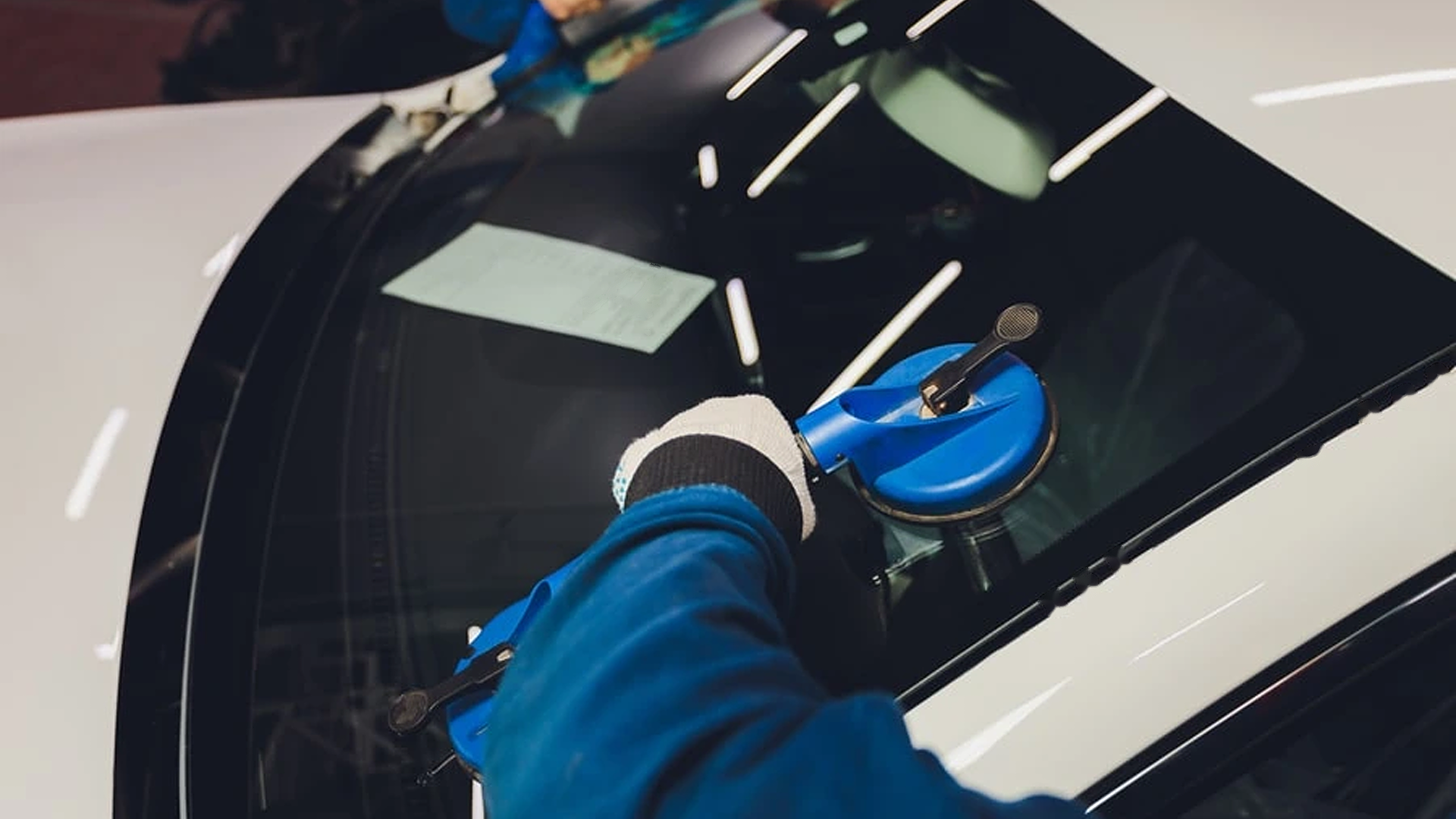
When your windshield or car window gets damaged, arranging a replacement might seem straightforward. However, finding the correct automotive glass is not simply a matter of matching the shape and size of the broken window. Modern vehicles have different glass specifications, safety features, sensor configurations, and installation requirements that can vary even between vehicles of the same make and model.
This is why an auto glass shop will usually ask for specific information before ordering replacement glass or scheduling an installation.
Providing accurate vehicle details helps technicians identify compatible automotive glass, avoid incorrect parts, and determine whether additional services, such as Advanced Driver Assistance Systems (ADAS) calibration, may be necessary.
Whether you need a front windshield replacement, a passenger-side window, a rear windshield, or specialty RV glass, having the right information ready can make the entire process smoother.
For drivers in Utah, Rock Doc Auto Glass provides professional windshield repair and replacement, side window and rear glass solutions, mobile auto glass service, and ADAS calibration. Understanding what information the team needs before scheduling can help you prepare for your next appointment.
Let's look at the details that help an auto glass shop identify the correct replacement glass for your vehicle and why each one matters.
1. Why Does an Auto Glass Shop Need Your Vehicle Information?
Every vehicle has specific automotive glass requirements. Two vehicles from the same manufacturer may look almost identical but still use different windshield designs or window configurations.
For example, one vehicle may have a windshield with an integrated rain sensor, while another version may have a different camera mounting arrangement. Similarly, some vehicles have acoustic windshields designed to reduce cabin noise, while others use standard laminated glass.
Choosing an incompatible replacement can create installation complications or prevent certain vehicle features from functioning as intended.
An auto glass shop uses your vehicle information to determine:
The correct windshield or window dimensions.
The appropriate glass shape and curvature.
Compatibility with vehicle-specific mounting points.
Whether the glass includes acoustic or solar features.
Whether rain sensors or camera brackets are required.
Whether ADAS calibration may be necessary.
Which replacement part matches the vehicle's original configuration.
The more accurate information you provide, the easier it becomes for the technician to identify the appropriate replacement glass.
2. What Vehicle Details Should You Provide When Ordering Replacement Auto Glass?
The first step is providing basic information about your vehicle.
Most auto glass shops will ask for the vehicle's year, make, and model. These details establish the starting point for identifying compatible replacement glass.
Vehicle Year
The manufacturing year is important because automotive manufacturers regularly update vehicle designs.
A vehicle's windshield or side window may change between model years, even when the exterior appearance remains similar.
For example, a 2021 vehicle and a 2023 version of the same model may have different windshield specifications, camera mounting locations, or glass configurations.
Providing the correct year helps narrow down the available replacement options.
Vehicle Make
The make identifies the manufacturer of your vehicle.
Examples include:
Ford
Chevrolet
Toyota
Honda
Jeep
Hyundai
Subaru
Nissan
Different manufacturers use different glass designs and installation specifications. Providing the correct make helps the auto glass shop identify the relevant parts.
Vehicle Model
The model provides another important layer of identification.
For instance, Ford produces several different vehicle models, including the F-150, Explorer, Escape, and Mustang.
Even when two vehicles share the same manufacturer and model year, their windshields and side windows may have completely different dimensions and features.
Vehicle Trim Level
The trim level can also influence which glass configuration your vehicle uses.
Different trims may include additional technology, upgraded features, or alternative windshield specifications.
For example, a higher trim level might include additional driver assistance technology or a different sensor arrangement.
Providing your trim information, if available, can help the technician narrow down the correct replacement.
3. Why Is Your Vehicle Identification Number (VIN) Important for Auto Glass Replacement?
Your Vehicle Identification Number, commonly known as the VIN, is one of the most useful pieces of information when identifying replacement automotive glass.
A VIN is a unique 17-character identification number assigned to most modern vehicles.
It contains information about the vehicle's manufacturer, model year, production details, and other identifying characteristics.
How Does a VIN Help Identify the Correct Windshield?
A VIN can help an auto glass professional access vehicle-specific parts information and narrow down the appropriate glass configuration.
This is particularly useful when a vehicle has multiple windshield variations.
For example, two vehicles may share the same year, make, and model but have different factory-installed options.
Their windshields may differ in features such as:
Rain sensor compatibility.
Forward-facing camera brackets.
Acoustic insulation.
Solar protection.
Heating elements.
Head-up display compatibility.
Advanced driver assistance system mounting requirements.
The VIN can help the shop determine which configuration applies to your vehicle.
Where Can You Find Your VIN?
You can usually locate your VIN in several places:
Dashboard: Look through the windshield on the driver's side, near the lower corner of the dashboard.
Driver-side door jamb: Check the identification label or sticker around the driver's door opening.
Vehicle registration: Your registration documents generally include the VIN.
Insurance documents: Your insurance identification or policy paperwork may also display the number.
If the VIN is difficult to locate, ask the auto glass provider whether your vehicle's registration information is sufficient for the initial identification process.
4. Does the Type of Damaged Glass Matter?
Absolutely. An auto glass shop needs to know exactly which part of the vehicle is damaged.
A windshield, side window, rear windshield, and quarter glass are different components. Each has its own shape, dimensions, installation method, and glass specifications.
Identifying the correct location helps prevent confusion when ordering replacement parts.
Front Windshield
The front windshield is one of the most important glass components in a vehicle.
It provides forward visibility and contributes to the vehicle's structural safety.
Modern windshields may also accommodate cameras, rain sensors, heating elements, and other integrated features.
When requesting windshield replacement, mention whether the damage affects the driver's side, passenger's side, or entire windshield.
Driver-Side and Passenger-Side Windows
Side windows are generally designed differently from windshields.
Most conventional side windows use tempered safety glass, which is designed to break into relatively small pieces when shattered.
When booking side window replacement, specify whether the damage affects:
Front driver's side window.
Front passenger-side window.
Rear driver's side window.
Rear passenger-side window.
This distinction is important because each window has different dimensions and door configurations.
Rear Windshield
The rear windshield, also called the back glass, may include features such as defroster lines, antenna elements, or other vehicle-specific components.
If the rear glass is shattered, mention whether the vehicle has an integrated defrosting system.
This helps the shop identify a compatible replacement.
Quarter Glass
Quarter glass refers to smaller fixed glass panels commonly found near rear doors or other side sections of a vehicle.
These windows can have unique shapes and installation requirements.
Because quarter glass varies considerably between vehicle models, providing the exact location is particularly important.
5. How Do ADAS Features Affect Windshield Replacement?
One of the most important considerations when replacing a modern windshield is the vehicle's Advanced Driver Assistance Systems technology.
ADAS includes safety features that use cameras, sensors, and other components to monitor the vehicle's surroundings.
Depending on the vehicle, these systems may include:
Lane departure warnings.
Lane keeping assistance.
Forward collision warnings.
Automatic emergency braking.
Adaptive cruise control.
Traffic sign recognition.
Some of these features rely on cameras positioned near the rearview mirror or mounted around the windshield.
Why Does the Replacement Windshield Need to Match the Original Configuration?
When a windshield is replaced, the camera mounting area and related specifications must be compatible with the vehicle.
A windshield that does not support the correct camera configuration may create installation or system compatibility problems.
This is why an auto glass shop may ask whether your vehicle has a forward-facing camera, lane departure warning system, or other driver assistance features.
What Is ADAS Calibration?
ADAS calibration is the process of adjusting and verifying the positioning of certain cameras or sensors so that the vehicle's safety systems can operate according to manufacturer specifications.
Depending on the vehicle and replacement procedure, calibration may be required after windshield replacement.
There are different calibration approaches, including static and dynamic calibration. The appropriate method depends on the vehicle manufacturer's requirements.
Rock Doc Auto Glass offers ADAS and lane departure calibration alongside its windshield replacement services.
When scheduling a windshield replacement, ask whether your vehicle requires calibration and whether the service can be arranged as part of the appointment.
For additional information, read what drivers should know about ADAS calibration after windshield replacement.
6. Do Special Windshield Features Affect Which Replacement Glass You Need?
Yes. Modern automotive glass can include several features designed to improve driving comfort, visibility, and compatibility with vehicle technology.
Two windshields may have similar dimensions but still differ in their construction and integrated features.
Here are some important specifications worth mentioning when contacting an auto glass shop.
Acoustic Windshield Glass
Acoustic windshields are designed to help reduce outside noise entering the vehicle cabin.
They may use specialized laminated construction to improve sound insulation.
If your vehicle originally came with acoustic glass, mention this when requesting replacement options.
Solar-Control Glass
Some automotive windshields are designed to help reduce solar heat and ultraviolet exposure inside the cabin.
Depending on the vehicle, the glass may have specific coatings or tinted characteristics.
Matching the original specification helps maintain the intended performance and appearance.
Rain Sensors
Rain sensors detect moisture on the windshield and can automatically activate or adjust the windshield wipers.
Vehicles equipped with this technology may require a windshield with the appropriate sensor mounting area and compatibility.
Heated Windshields
Certain vehicles feature heated windshield elements designed to assist with clearing frost or ice.
These windshields have specific electrical requirements and should be matched to the vehicle's original configuration.
Head-Up Display Compatibility
Some vehicles project driving information onto the windshield.
These systems may require specially designed glass to ensure the projected image appears correctly.
When replacing a windshield on a vehicle with a head-up display, mention this feature before the glass is ordered.
7. How Do You Identify the Correct Replacement Side Window?
Side window replacement involves slightly different considerations from windshield replacement.
Although side windows generally do not require the same camera calibration considerations, their dimensions, shape, glass type, and installation design must still match the vehicle.
When contacting an auto glass provider, share the following information:
Exact window location: Identify whether it is the driver's side, passenger's side, rear door, or quarter glass.
Vehicle information: Provide the year, make, and model.
Window operation: Explain whether the window is powered, manually operated, or fixed.
Damage description: Mention whether the glass is completely shattered, partially broken, or cracked.
Additional door damage: Explain whether the door frame, window regulator, or surrounding components appear damaged.
This information helps the technician understand what replacement glass may be required and whether additional inspection is necessary.
For example, a completely shattered front passenger window may require more than simply fitting new glass. The technician may also need to inspect the window regulator, door cavity, and surrounding components.
8. Can You Identify the Correct Replacement Glass Using Your Old Windshield?
Sometimes, the existing windshield contains useful identification markings.
Automotive glass generally includes markings that provide information about its manufacturer, safety compliance, and other specifications.
These markings may help an auto glass professional understand the type of glass originally installed.
However, the markings alone may not provide every detail needed to identify the correct replacement.
The vehicle's VIN, production details, and factory-installed features may still be necessary.
If your windshield is damaged but the markings remain visible, you can photograph them and share the image with the service provider.
Avoid attempting to remove or handle broken glass to locate identification markings.
9. What Happens If You Provide Incorrect Vehicle Information?
Providing inaccurate vehicle details can create avoidable delays during the replacement process.
For example, if the model year is incorrect, the shop may identify a glass part that does not match the vehicle's actual specifications.
Similarly, forgetting to mention a rain sensor, acoustic glass, or forward-facing camera can lead to confusion when selecting the appropriate windshield.
Potential problems include:
Ordering incompatible replacement glass.
Delays while the correct part is sourced.
Additional scheduling requirements.
Installation complications.
Missing compatibility with certain vehicle features.
This does not mean every mistake will automatically result in an incorrect installation. Professional technicians verify vehicle and glass specifications before completing the work.
However, providing accurate details from the beginning makes the process more efficient.
10. How Can You Prepare Before Calling an Auto Glass Shop?
If you have a damaged windshield or car window, spending a few minutes gathering the necessary information can help you get a more accurate service assessment.
Use this simple preparation checklist.
Find your VIN: Locate the 17-character vehicle identification number on your dashboard, door jamb, or registration documents.
Confirm your vehicle details: Write down the year, make, model, and trim level if known.
Identify the damaged glass: Specify whether you need a front windshield, side window, rear windshield, or quarter glass.
Check for special features: Mention rain sensors, ADAS cameras, heating elements, acoustic glass, or head-up display technology if equipped.
Take photographs: Capture the damaged area and any visible glass markings without touching broken fragments.
Explain additional damage: Mention any issues involving the window frame, door, or surrounding components.
Discuss service arrangements: Ask about mobile replacement, in-shop appointments, parts availability, and scheduling.
Check insurance coverage: If you plan to file a claim, contact your insurer and understand your coverage and deductible.
These details help the auto glass provider understand your vehicle's requirements before arranging the replacement.
11. Why Choose a Professional Auto Glass Shop for Replacement?
Automotive glass is an important part of vehicle safety. A replacement should not be treated as a simple cosmetic repair.
Professional auto glass technicians understand that different vehicles require different glass specifications, adhesives, mounting arrangements, and installation procedures.
Working with an experienced provider can help ensure that the correct replacement glass is identified and installed according to the vehicle's requirements.
For Utah drivers, Rock Doc Auto Glass offers a range of automotive glass services, including:
Side window and rear glass replacement.
Mobile auto glass service.
The company offers mobile service at homes, offices, and schools, as well as in-shop appointments at its Bluffdale facility.
Its services give drivers different options depending on their vehicle, glass damage, and scheduling needs.
Frequently Asked Questions About Identifying Replacement Auto Glass
1. What information does an auto glass shop need to replace my windshield?
Most shops need your vehicle's year, make, model, VIN, and details about the damaged windshield. Information about rain sensors, ADAS cameras, acoustic glass, and other special features may also be necessary.
2. Why does an auto glass company ask for my VIN?
Your VIN helps identify your vehicle's specific configuration and narrow down compatible replacement glass. It is especially useful when multiple windshield versions are available for the same vehicle model.
3. Can two vehicles of the same model require different windshields?
Yes. Different trim levels, production dates, factory options, and safety technology can result in different windshield specifications, even when two vehicles share the same model and year.
4. How do I know if my replacement windshield needs ADAS calibration?
If your vehicle has windshield-mounted cameras or certain driver assistance systems, calibration may be necessary after replacement. A qualified auto glass professional can check the manufacturer's requirements for your vehicle.
5. Do I need my old windshield's identification number to order replacement glass?
Not always. Your VIN and vehicle specifications are often sufficient to identify compatible glass. However, existing windshield markings may provide additional useful information.
6. What information is needed to replace a broken car side window?
Provide your vehicle's year, make, and model, along with the exact location of the damaged window. Mention whether it is a front door window, rear door window, or fixed quarter glass.
7. Does a rear windshield have different replacement requirements?
Yes. Rear windshields may include integrated defroster lines, antenna elements, and other features. The replacement must match the vehicle's specific design and requirements.
8. Can I send photos to an auto glass shop before scheduling?
Yes. Photographs of the damaged glass, vehicle identification details, and visible glass markings can help the service provider understand the damage. However, photos may not replace the need for VIN verification or a professional inspection.
9. Can an auto glass technician identify my replacement glass without the VIN?
In some cases, the year, make, model, trim, and additional vehicle information may be enough to narrow down the options. However, the VIN can make identification more precise, particularly when multiple glass configurations exist.
10. Does Rock Doc Auto Glass provide mobile windshield replacement in Utah?
Yes. Rock Doc Auto Glass offers mobile auto glass services at homes, offices, and schools across Utah. Customers can contact the company to discuss their vehicle details, replacement requirements, and appointment availability.
Conclusion: The Right Vehicle Information Makes Auto Glass Replacement Easier
Finding the correct replacement glass involves more than knowing which window is broken. Vehicle year, make, model, VIN, glass location, factory-installed features, and safety technology all contribute to identifying a compatible replacement.
Providing these details before scheduling can help an auto glass shop narrow down the available options, reduce unnecessary delays, and determine whether additional services such as ADAS calibration are required.
Whether you need a cracked windshield replaced, a shattered side window repaired, or a damaged rear windshield addressed, accurate vehicle information is the starting point for a smoother service experience.
For Utah drivers, Rock Doc Auto Glass provides professional automotive glass solutions, including windshield replacement, chip and crack repair, mobile service, and ADAS calibration.
If your vehicle's glass is damaged, gather your VIN and vehicle details, identify the affected window, and contact Rock Doc Auto Glass to discuss the appropriate replacement options.
Contact Rock Doc Auto Glass
Phone: 385-501-4495
Address: 14709 S 855 W, Bluffdale, UT 84065
Website: Rock Doc Auto Glass
