Introduction
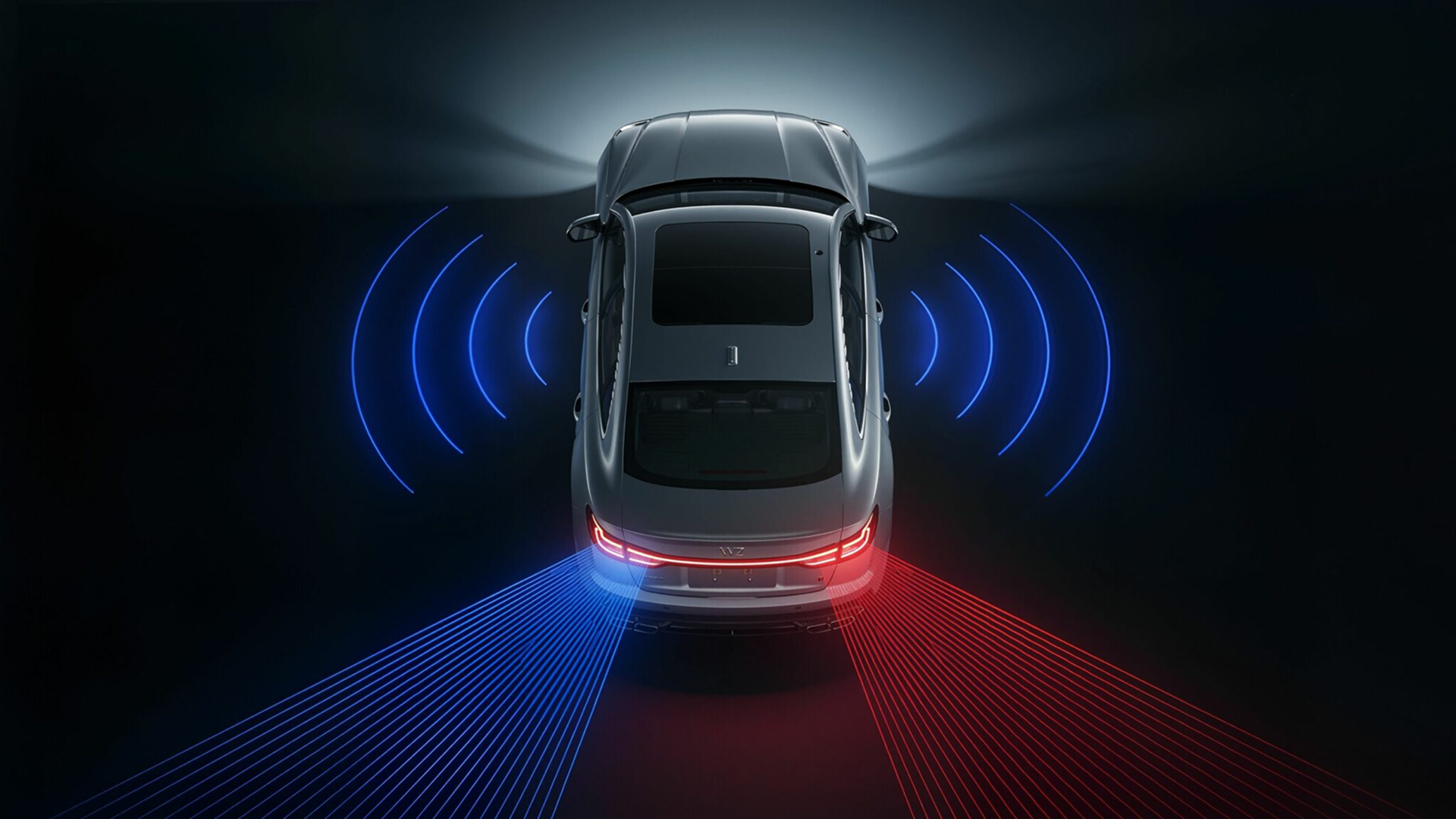
Vehicle safety technology has advanced significantly in recent years, with many modern vehicles now equipped with Advanced Driver Assistance Systems (ADAS). These technologies are designed to support driver awareness by using cameras and sensors to monitor the road and surrounding driving conditions. If you want to learn more about our commitment to these safety standards, you can read more about us and our history of dedicated service.
While many drivers recognize the benefits of these systems, fewer realize how closely they are connected to the windshield itself. In many vehicles, critical ADAS cameras are mounted near or behind the windshield, making proper glass installation an important factor in system performance. When windshield damage requires replacement, accurate installation and proper calibration become essential steps in helping these technologies function as intended. Understanding this relationship can help drivers appreciate why professional auto glass service is more important than ever.
What Are ADAS Safety Features?
Advanced Driver Assistance Systems, commonly referred to as ADAS, are technologies that use cameras and sensors to collect information about a vehicle's surroundings. These systems are designed to assist drivers by monitoring road conditions and supporting various safety-related functions. At Rock Doc Auto Glass, we prioritize educating our clients on how these complex digital grids keep them safe every day.
One primary example highlighted by industry specialists is lane departure technology. Lane departure systems use cameras to identify lane markings and help alert drivers when the vehicle begins moving outside its lane. To perform these functions effectively, the cameras must be positioned accurately and maintain a clear view of the road ahead. In many vehicles, this view is provided through the windshield, making the glass an integrated, structural component of the safety system. To deeper understand this mechanism, read our guide on understanding lane departure system calibration after glass replacement.
As ADAS technology becomes standard across manufacturing lines, precise auto glass services play an increasingly significant role in maintaining the operational integrity of these advanced features.
Why the Windshield Matters to ADAS Technology
Traditionally, drivers viewed the windshield primarily as a protective barrier that provided visibility and shielded occupants from wind, weather, and road debris. While these functions remain important, modern windshields often serve an additional purpose. Many vehicle manufacturers mount ADAS cameras directly behind the rearview mirror, flush against the glass. These cameras continuously observe road markings and driving conditions through a specific viewing window.
Because the camera relies on a precise viewing angle, even a millimeter variance in positioning can affect how the system interprets distance, obstructions, and spatial telemetry. When a windshield is replaced, the camera's relationship to the glass is inherently altered. Accurate glass fitting ensures that the camera remains positioned correctly within the vehicle's tight factory design specifications. This direct structural connection explains why modern windshield replacement involves far more than simply replacing a piece of glass.
How Windshield Replacement Can Affect ADAS Performance
When a damaged windshield is removed and replaced, the process inevitably impacts the alignment of cameras associated with ADAS technology. Even slight differences in camera positioning or glass thickness may affect system accuracy. Because these systems depend on precise measurements, specialized mechanical attention is vital. A windshield must be seated flawlessly to support the proper placement of the camera housing and any related internal components. To see why this process is non-negotiable, check out our insights on why modern vehicles require ADAS recalibration after auto glass service.
Following glass replacement, many vehicles require mechanical alignment to verify that the cameras remain calibrated according to strict OEM specifications. This corrective alignment restores the synchronized relationship between the windshield glass and the technology that depends on it. For comprehensive solutions, our certified technicians offer specialized windshield replacement and repair packages designed to match your specific vehicle model.
The Role of Calibration After Windshield Installation
Calibration is a critical step for modern vehicles equipped with windshield-mounted cameras. The purpose of calibration is to electronically and physically realign the sensor field of view after a new windshield has been installed. Without proper calibration, the camera may miscalculate distances, leading to delayed brake warnings or false lane departure alerts. Since safety suites rely heavily on accurate visual data, maintaining exact alignment is essential. If you are unsure what this process entails, explore what drivers should know about ADAS calibration after windshield replacement.
We provide comprehensive ADAS and lane departure calibration services to handle these demands seamlessly. Drivers should understand that changing out the auto glass is often only the initial step in restoring a vehicle's multi-layered safety functionality.
Why Professional Auto Glass Expertise Matters
The growing integration of ADAS technology has heightened the need for specialized auto glass professionals who understand complex digital safety networks. Modern glass replacement requires an advanced mechanical understanding of how physical auto glass interacts with computerized safety modules. Working with experienced technicians ensures that your vehicle is treated with specialized diagnostic equipment.
Our expansive service portfolio satisfies these sophisticated needs, covering several automotive fields:
Standard Vehicles: Precision glass installation and exact camera recalibration.
Recreational Equipment: High-durability motorhome and RV glass and windshields repair and installations.
Premium Protective Layers: Advanced ExoShield windshield protection films to shield your glass from impact damage and micro-pitting.
For drivers, selecting an auto glass provider deeply familiar with modern ADAS specifications helps guarantee that both the structural glass and the dependent safety software receive proper attention.
The Importance of Addressing Windshield Damage Early
Small chips and cracks may seem minor at first, but road vibrations and temperature swings can cause the damage to spread rapidly across the glass. As windshield damage expands, a straightforward repair becomes impossible, making complete replacement necessary. Addressing windshield issues early through a timely windshield chip and crack repair can help preserve the structural integrity of the original glass and minimize the need for more complex recalibration services later.
To identify when your glass is compromised, refer to our comprehensive checklist on common signs your windshield damage needs professional attention. Delaying action can compromise your security systems, whereas reading about why fast windshield crack repair can save you money and improve safety highlights how a quick fix protects both your wallet and your driving safety. For structural fixes, we recommend reviewing the complete guide to windshield chip repair for safer driving to see how early interventions keep your cameras free from obstructive glass fractures.
Looking Ahead: The Future of Windshield Technology
As automotive engineering continues to progress, windshields are expected to become even more deeply integrated into vehicle safety arrays. Manufacturers are expanding the use of heads-up displays (HUD), integrated rain sensors, and multi-camera arrays within windshield configurations.
This trend highlights the rapidly changing nature of professional auto glass service—transforming a traditional structural repair field into an advanced technological trade. Understanding how ADAS features depend on accurate windshield installation empowers drivers to make smart choices when selecting qualified glass specialists.
Conclusion
Modern ADAS safety features depend directly on cameras mounted precisely behind your glass, making accurate windshield installation a vital part of maintaining driver safety. When a replacement is required, flawless positioning and rigorous recalibration guarantee that these technologies remain correctly aligned to protect you on the road. If your vehicle has experienced recent glass damage or requires a post-replacement check, do not hesitate to contact our specialized team today to schedule an expert diagnostic consultation.
Frequently Asked Questions (FAQ)
What happens if I replace my windshield and do not calibrate my ADAS camera? If you skip calibration after a windshield replacement, your ADAS features may fail to function correctly. Even a tiny misalignment can cause cameras to misread lane markings or fail to detect obstacles in time, leading to false alerts or delayed automatic braking reactions.
How long does an ADAS windshield calibration usually take? An ADAS calibration generally takes between 1 to 2 hours. This timeline depends on whether your vehicle requires static calibration (using specialized targets in a controlled shop setting), dynamic calibration (driving the vehicle on the road under specific conditions), or a combination of both.
Can any auto shop perform windshield calibration for lane departure systems? No. Proper ADAS calibration requires specialized diagnostic software, precise physical alignment targets, and certified technician training. It is important to choose an auto glass specialist equipped specifically with ADAS calibration technology to ensure compliance with OEM guidelines.
Does auto insurance usually cover ADAS calibration after a windshield replacement? Yes, in most cases. Because calibration is required by manufacturers to restore safety systems to their original factory standards, most insurance providers cover the cost of calibration alongside the windshield replacement under comprehensive glass coverage policies.