
Introduction
Your windshield does much more than give you a clear view of the road. It helps protect occupants from outside elements, supports the vehicle’s structural design, and may house or work alongside cameras and sensors used by advanced driver assistance systems. A small chip or crack can become a much larger problem when road conditions, weather, and temperature changes put additional stress on the glass.
Utah drivers experience a wide range of seasonal road conditions. Winter can bring snow, ice, freezing temperatures, and road treatments. Spring often leaves roads wet and covered with loose gravel or debris. Summer heat can create significant temperature differences across the windshield, while fall brings changing temperatures, construction activity, and debris on heavily traveled roads.
Understanding how these conditions contribute to windshield damage can help you recognize problems earlier and make better decisions about windshield repair and replacement. It can also reduce the chance that a minor rock chip develops into a crack that requires more extensive work, as outlined in this guide on how rock chips spread into large cracks and what drivers can do about it.
Rock Doc Auto Glass provides windshield repair and replacement, rock chip and crack repair, ADAS and lane-departure camera calibration, RV and motorhome glass services, and ExoShield windshield protection throughout Utah. Customers can choose mobile service at their location or an in-shop appointment depending on their situation.
Why Seasonal Road Conditions Affect Windshields
Windshield glass is designed to withstand normal driving conditions, but it is not immune to impact or environmental stress. Seasonal conditions can increase the likelihood of damage in several different ways.
The most common cause is road debris. Small rocks, gravel, sand, and other materials can be thrown into the air by passing vehicles or tires. A piece of debris traveling at road speed can create a chip, star break, or crack when it strikes the windshield.
Temperature changes create another source of stress. Glass expands and contracts as its temperature changes. A windshield that has already been weakened by a chip may be more likely to develop a crack when exposed to rapid temperature changes, as discussed further in our article on can extreme heat or cold cause existing windshield chips to spread.
Road conditions can also affect visibility. Snow, rain, mud, road spray, and windshield residue can make existing damage harder to see. A small chip that might otherwise be noticed early can remain untreated until it spreads.
The difference between impact damage and temperature stress
A rock chip is usually caused by a direct impact. Temperature changes do not normally create a windshield chip from nothing, but they can contribute to the expansion of existing damage.
For example, imagine a small chip that occurs during a winter commute. The damage may look insignificant when the vehicle is parked. Later, the windshield warms rapidly from a vehicle heater or changes temperature as the weather shifts. Stress around the damaged area can cause the chip to develop into a longer crack.
That is why a small windshield chip should not automatically be treated as harmless.
Winter Road Conditions and Windshield Damage
Winter can be particularly challenging for Utah drivers. Snow, ice, freezing temperatures, road salt or de-icing materials, and loose gravel can all create difficult driving conditions.
Snowplows and other vehicles may move gravel or debris across the roadway. Vehicles traveling ahead can then send that material toward cars behind them. Even when roads appear reasonably clear, loose material can remain in lanes and shoulders.
Freezing temperatures can make existing damage worse
Cold temperatures can affect damaged windshield glass in ways that make existing problems more noticeable.
A small chip creates a weakened area in the windshield. When temperatures change, stresses can develop around that area. If the vehicle is exposed to significant temperature changes, an existing chip may spread into a crack.
The safest approach is to have noticeable damage assessed before it has an opportunity to grow.
Avoid pouring hot water on an icy windshield
One common mistake is trying to remove ice quickly by pouring hot or very warm water over the windshield.
A sudden temperature change can place unnecessary stress on automotive glass. Instead, use a proper ice scraper and allow the vehicle's defrost system to warm the windshield gradually.
Drivers should also avoid striking or aggressively scraping directly over a damaged area.
Winter road debris can cause rock chips
Winter road treatments and loose gravel can create additional debris on Utah roads. When another vehicle's tires throw a small rock toward your windshield, the impact can leave a tiny circular chip or a more complex pattern.
If the chip is visible, do not assume it will stay the same size throughout the season. Getting it evaluated early can help determine whether windshield repair is appropriate.
Spring Roads Can Bring New Windshield Hazards
Spring often changes road conditions quickly. Snow and ice begin to disappear, but roads can remain wet, dirty, and covered with leftover gravel and debris.
Moisture can also wash dirt and loose material into travel lanes. Construction and road maintenance may introduce additional gravel or debris into areas where vehicles are traveling.
Wet roads can increase debris exposure
A wet roadway can move loose material around. Tires can pick up small stones and debris and send them into the path of nearby vehicles.
Following another vehicle too closely increases the chance of encountering debris thrown from its tires. Leaving additional space can give you more time to react and may reduce direct exposure to flying road material.
Spring construction can increase rock-chip risk
Road repairs, resurfacing, and construction zones can create temporary changes in road surfaces. Fresh gravel and loose aggregate can be present near active work areas. For more tips on this, read our post on how tree debris, gravel roads, and construction zones increase windshield damage risk.
When driving through construction zones:
Reduce speed when posted signs require it.
Leave extra distance between vehicles.
Avoid driving directly alongside vehicles carrying loose materials.
Keep an eye on lane changes and temporary road surfaces.
Inspect the windshield after a noticeable impact.
A small chip caused by road debris is easier to address before it becomes a long crack across the windshield.
Summer Heat Can Stress Damaged Windshield Glass
Summer introduces a different type of windshield risk. Utah can experience high temperatures, intense sunlight, and large temperature differences between the exterior and interior of a vehicle.
Heat alone does not mean a healthy windshield will suddenly crack. The greater concern is an existing damaged area combined with rapid temperature changes.
Rapid temperature changes matter
Consider a vehicle that has been sitting in direct sunlight. The windshield becomes very warm, while the air conditioning creates a much cooler environment inside the vehicle.
If the windshield already contains a chip or crack, these changing conditions can contribute to additional stress around the damaged area.
This is one reason drivers should not ignore a small windshield chip simply because it has not changed immediately after the original impact.
Summer road trips increase exposure to debris
Utah's highways, mountain roads, recreational areas, and long-distance routes can expose vehicles to different road surfaces and traffic conditions. You can also explore our guidance on how to protect your windshield during long distance road trips.
Long drives also mean more time on the road around trucks, trailers, construction vehicles, and other traffic that may carry or displace loose material.
If a rock hits your windshield during a road trip, look for signs of damage once it is safe to inspect the vehicle. A chip may be small enough that you initially notice only a tiny mark or a short line.
Fall Driving Can Still Cause Windshield Damage
Fall may bring cooler temperatures, changing weather, road maintenance, and increased travel before winter conditions arrive.
Temperature swings can become more noticeable as mornings grow colder and afternoons remain relatively warm. Existing windshield damage should be monitored rather than ignored.
Changing temperatures can expose weak areas
A windshield with no damage is generally designed to handle ordinary temperature variations. A chip or crack, however, changes the condition of the glass.
If a small damaged area begins spreading, the crack can become more difficult to repair. A professional inspection can help determine whether repair or replacement is the more suitable option.
What Types of Windshield Damage Can Seasonal Roads Cause?
Seasonal driving can result in several types of windshield damage. Understanding what you are looking at can help you respond appropriately.
Rock chips
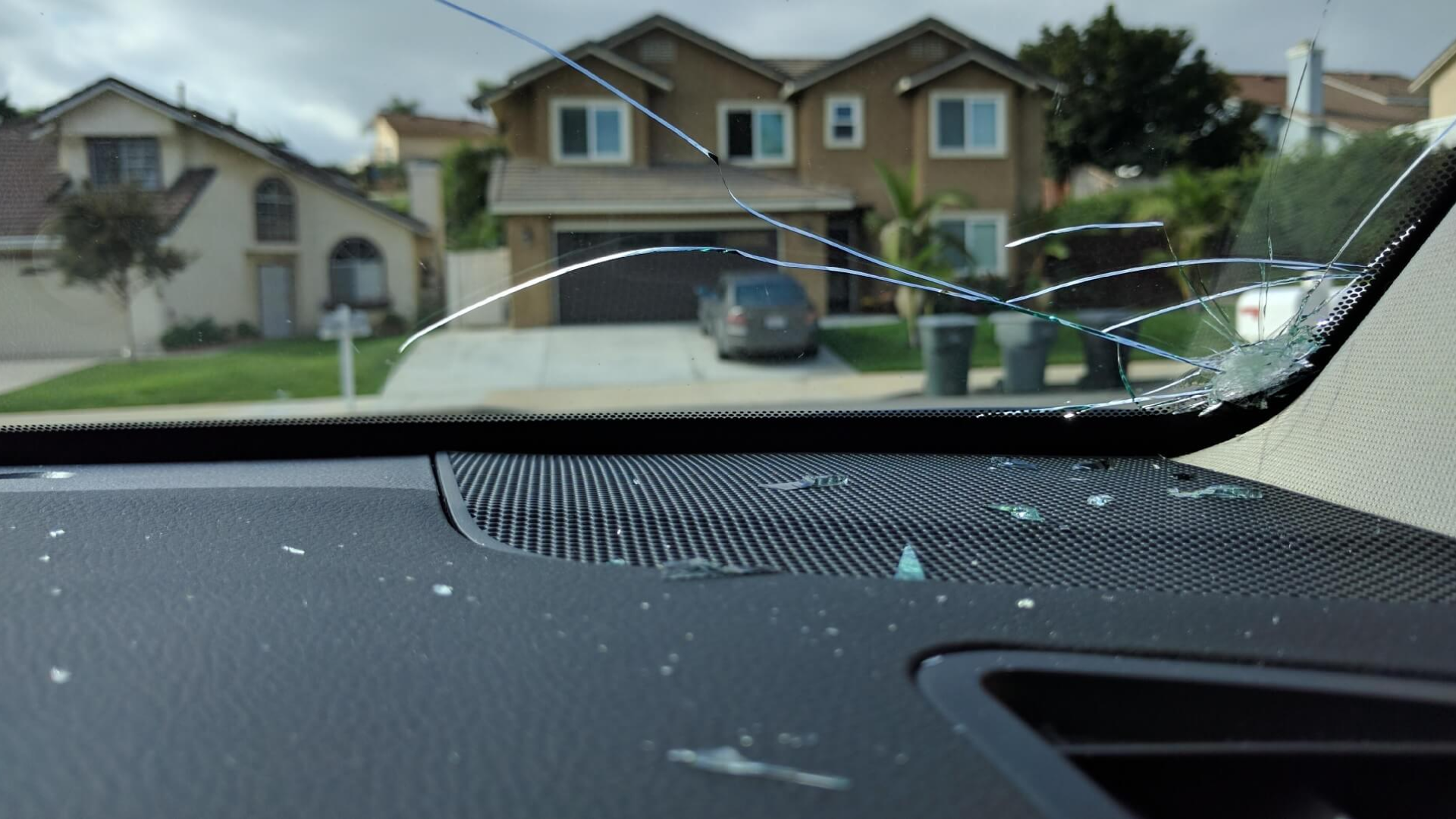
Rock chips are among the most common forms of windshield damage. They can appear as small pits, circular marks, star-shaped breaks, or combinations of several impact patterns.
A chip may not affect your view immediately, but its location and size can determine whether repair is practical.
Windshield cracks
Cracks can begin at an impact point and gradually extend outward. Some cracks remain short, while others travel across a significant portion of the windshield.
A growing crack should be professionally evaluated rather than repeatedly monitored for weeks.
Combination breaks
Some impacts produce both a central chip and several lines extending outward. These combination breaks may require more careful assessment because the damage pattern can be more extensive than it first appears.
Edge cracks
Damage near the edge of the windshield deserves particular attention. The location of the damage can affect repairability and may influence whether replacement is recommended.
What Should You Do After a Rock Hits Your Windshield?
If you hear a sharp impact while driving, do not inspect the windshield while the vehicle is moving. Find a safe place to stop before examining the glass.
Once parked, look for:
A small chip or pit
A star-shaped impact
A crack extending from the impact point
Damage near the edge of the windshield
Multiple impact points
Damage in the driver's primary viewing area
If you find damage, avoid pressing on it or attempting an improvised repair.
Protect the damaged area temporarily
If immediate professional service is not available, keeping dirt and moisture away from a small chip can help prevent contamination. A clean, transparent piece of tape placed carefully over the damaged area may be used as a temporary measure until the glass can be assessed.
This is not a substitute for professional repair.
Have the damage evaluated promptly
There is no single rule that says every chip must be repaired or every crack requires replacement. Repair decisions depend on factors such as the size, type, location, depth, and condition of the damage.
A professional auto glass technician can assess the windshield and explain the available options.
Windshield Repair vs. Windshield Replacement
One of the most common questions after seasonal windshield damage is whether the glass can be repaired or needs to be replaced.
When windshield repair may be appropriate
A rock chip or small crack may be a candidate for repair when the damage meets industry and safety considerations for repairability, as detailed in our guide on when is a windshield chip repairable and when is replacement necessary.
Repair can preserve the original windshield when appropriate and may prevent a small impact from becoming a larger crack.
However, not every damaged windshield can or should be repaired.
When replacement may be necessary
Replacement may be recommended when damage is too extensive, located in a problematic area, or otherwise unsuitable for repair.
A windshield replacement involves removing the damaged glass and installing new glass using the appropriate materials and procedures.
Modern vehicles may have cameras or sensors mounted near the windshield, making post-replacement calibration an important consideration.
Why ADAS Calibration Matters After Windshield Replacement
Many newer vehicles use Advanced Driver Assistance Systems, commonly called ADAS. Depending on the vehicle, these systems can include lane-departure warning, lane-keeping assistance, forward collision warning, automatic emergency braking, and other driver-assistance functions.
Some cameras and sensors are positioned near or around the windshield.
Windshield replacement can affect camera positioning
If an ADAS camera is mounted to or positioned through the windshield area, replacing the glass can affect the relationship between the camera and the vehicle.
The vehicle may require calibration after windshield replacement according to the manufacturer's procedures, which you can read more about in our post on why modern vehicles require ADAS recalibration after auto glass service.
This is not simply a cosmetic step. Proper calibration helps ensure that the vehicle's driver-assistance technology is operating according to its intended specifications.
Drivers should ask whether ADAS or lane-departure camera calibration is required for their specific vehicle after windshield replacement.
How to Reduce Seasonal Windshield Damage
You cannot eliminate every road hazard, but several driving habits can reduce unnecessary exposure to windshield damage.
Keep a reasonable following distance
Following another vehicle closely leaves less time and space to react to road debris.
Extra distance is especially useful behind trucks, trailers, construction vehicles, and vehicles traveling on gravel-covered roads.
Slow down around loose road material
If you see gravel, sand, construction debris, or other loose material ahead, reduce speed when conditions and traffic allow.
Avoid sudden maneuvers. The goal is to reduce the likelihood and severity of debris impacts while maintaining control of the vehicle.
Inspect your windshield regularly
Make windshield inspection part of your routine, particularly after long road trips, winter driving, construction-zone travel, or a noticeable impact.
Look for small chips that may be easy to overlook from inside the vehicle.
Address chips before they spread
A small chip may not seem urgent, but delaying an inspection can allow damage to worsen.
Professional assessment is especially worthwhile when the damage is growing, sits within the driver's field of view, or occurs near the windshield edge.
Mobile Windshield Service Can Help After Seasonal Damage
A damaged windshield is not always convenient to deal with. You may be at home, at work, in a parking lot, or dealing with a vehicle that is difficult to drive safely.
Mobile auto glass service can provide a practical option by allowing a technician to perform eligible repair or replacement work at the customer's location. For more details, see our comparison on mobile auto glass repair vs in shop service which option is right for you.
In-shop service remains useful when a controlled workspace or additional inspection is appropriate.
The best option depends on the condition of the vehicle, the type of glass service required, and the circumstances surrounding the damage.
Insurance and Windshield Damage
Insurance coverage for windshield repair or replacement varies by policy, state requirements, deductible, and insurer.
Before scheduling service, check your policy or speak with your insurance provider to understand your coverage.
An auto glass provider that assists with insurance claims can also help make the process easier by explaining what information may be needed and working with the insurer when applicable.
Avoid assuming that every windshield repair or replacement is automatically covered.
Protecting Your Windshield Beyond Repair
For drivers who frequently travel on highways, gravel roads, construction routes, or other areas where road debris is common, windshield protection products may be worth considering.
ExoShield windshield protection is one option designed to add a protective film layer to the exterior of the windshield, as explored in our guide on exoshield windshield protection explained how it helps reduce glass damage.
Protection products do not make glass immune to damage, but they can provide an additional layer of protection for drivers who want to take preventative measures.
A professional auto glass provider can explain whether a windshield protection product is appropriate for your vehicle and driving habits.
Common Misconceptions About Seasonal Windshield Damage
“A tiny chip is not a real problem.” A small chip can remain stable, but it can also spread. Its location, depth, and surrounding glass condition matter. Having it assessed early gives you more information about whether repair is possible.
“Cold weather is the only season that causes windshield cracks.” Windshield damage can happen throughout the year. Winter conditions may create specific risks, but summer heat, spring debris, fall temperature changes, and year-round road hazards can also contribute to windshield problems.
“If I can still see through the windshield, I can keep driving indefinitely.” Visibility is only one consideration. A damaged windshield may require repair or replacement even if the initial impact does not significantly obstruct your view.
“Every windshield crack can be repaired.” Repairability depends on the damage. Size, location, type, depth, and other factors can determine whether repair is appropriate. A qualified technician should evaluate the windshield rather than relying on a simple rule based only on crack length.
A Simple Seasonal Windshield Care Routine
A little preventative attention can make windshield problems easier to catch.
At the beginning of each season, consider checking:
The windshield for new chips or cracks.
The driver's viewing area for visibility problems.
Wiper blades for wear that could affect visibility.
Washer fluid levels.
Existing windshield damage for signs of spreading.
The condition of the windshield after long road trips.
Damage caused by construction zones or loose gravel.
If you notice a new impact, document where it is located and arrange for professional evaluation before the damage becomes more extensive.
Conclusion
Seasonal road conditions can increase the risk of windshield damage in different ways throughout the year. Winter gravel and freezing temperatures, spring road debris, summer heat and temperature changes, and fall weather transitions can all create conditions that deserve attention.
The most useful habit is simple: do not ignore a new windshield chip or crack. A professional inspection can determine whether the damage may be repairable or whether windshield replacement is the safer choice.
For Utah drivers, Rock Doc Auto Glass provides windshield repair and replacement, rock chip and crack repair, ADAS and lane-departure camera calibration, RV and motorhome glass services, and ExoShield windshield protection. Mobile and in-shop service options make it possible to choose an approach that fits your situation.
If your windshield has taken a hit from road debris, getting it evaluated sooner rather than later can help you understand your options and keep a small problem from becoming a much larger one.
Frequently Asked Questions
How much does windshield replacement cost?
Windshield replacement pricing varies by vehicle, windshield type, features, labor requirements, and whether ADAS calibration is necessary. Insurance coverage and deductibles can also affect the amount a customer pays.
Can a small windshield chip or crack be repaired instead of replacing the windshield?
Sometimes. Repairability depends on factors such as the size, location, type, and extent of the damage. A technician should inspect the windshield to determine whether repair is appropriate.
How long does a windshield replacement or repair take?
Service time varies depending on the vehicle, glass, damage, adhesives, and whether calibration is required. A technician can provide a more accurate timeframe after reviewing the specific vehicle and service needed.
Do you offer mobile windshield repair and replacement at my location?
Mobile auto glass service can be available for eligible repairs and replacements, allowing the work to be performed at a customer's home, workplace, or another suitable location. Service availability depends on the vehicle and circumstances.
Do you work with auto insurance companies for windshield claims?
Many auto glass providers can assist customers with the insurance claim process. Coverage varies by policy, so customers should confirm their benefits, deductible, and claim requirements with their insurance company.
Does windshield replacement require ADAS or camera calibration?
Some vehicles require ADAS or camera calibration after windshield replacement, particularly when cameras or sensors are positioned near the windshield. Requirements depend on the vehicle's equipment and manufacturer procedures.
Do you provide windshield replacement for RVs, motorhomes, and larger vehicles?
Specialized auto glass providers may offer glass services for RVs and motorhomes. Because larger vehicles can use different glass sizes and installation requirements, service should be confirmed for the specific vehicle.
What should I do if my windshield is damaged by a rock while driving?
Pull over somewhere safe before inspecting the windshield. If you find a chip or crack, avoid touching the damaged area and arrange for professional evaluation. A temporary clean covering can help keep contaminants out until service is available.
How soon can I drive my vehicle after a windshield replacement?
The safe drive-away time depends on the adhesive and installation procedure used. Follow the technician's instructions and do not drive the vehicle until the required safe drive-away period has passed.
Do you offer a warranty on windshield repairs and replacements?
Warranty coverage depends on the service and applicable terms. Before service, ask the provider what the warranty covers, how long it lasts, and what exclusions or conditions apply.
