
Introduction
Planning a long road trip usually means checking the tires, filling the tank, packing the car, and mapping out the route. One item that can easily be overlooked is the windshield.
A small rock chip or short crack may not seem urgent when you are driving around town. On a long trip, however, windshield damage can become a bigger concern because the vehicle may spend hours on highways, encounter changing temperatures, vibration, road debris, and higher speeds.
Addressing windshield damage before leaving can help you avoid an unexpected repair stop and give you greater confidence that your vehicle is ready for the miles ahead. Depending on the location, size, type, and severity of the damage, a professional may be able to repair the glass rather than complete a full windshield replacement.
For Utah drivers preparing for a road trip, taking a few minutes to inspect the windshield can be a smart part of pre-trip vehicle preparation. Rock Doc Auto Glass provides windshield repair and replacement, rock chip and crack repair, ADAS and lane-departure camera calibration, RV and motorhome glass services, and ExoShield windshield protection through mobile and in-shop appointments.
Why Windshield Damage Should Be Checked Before a Road Trip
A windshield does more than keep wind, rain, dust, and debris outside the passenger compartment. It is an important part of the vehicle's overall structure and provides a clear field of vision for the driver.
A damaged windshield may remain unchanged for a while, but it can also develop additional cracking under certain conditions. Temperature changes, vibration, road impacts, and existing stress in the glass can all affect damaged areas. You can learn more about how climate impacts glass in this guide on how weather conditions affect windshield damage throughout the year.
Before a long trip, the goal is not to assume that every chip requires replacement. The better approach is to have the damage evaluated and determine whether repair, replacement, or continued monitoring is appropriate.
Small Damage Can Become a Larger Problem
A rock chip can create a weak point in the windshield. A crack extending from that damaged area may make the situation more difficult to address. For additional insights, read about how rock chips spread into large cracks and what drivers can do about it.
For example, imagine a driver notices a small chip after driving on a Utah highway. The vehicle is still operating normally, so the driver decides to leave it alone. During the trip, the windshield experiences temperature changes and repeated road vibration, and the original chip develops into a longer crack.
That does not mean every chip will spread. It does mean that ignoring visible damage before a long journey can create an avoidable problem.
A Clear Windshield Supports Better Visibility
Windshield damage can affect visibility, particularly when it is located within the driver's primary viewing area. Glare from sunlight, headlights, or other vehicles can make imperfections more noticeable, as outlined in this article on why even small windshield damage can affect driver visibility.
Even a small damaged area can become distracting when it sits directly in the driver's line of sight. A professional inspection can help determine whether the glass remains appropriate for continued use.
The Main Benefits of Repairing Windshield Damage Before Traveling
Taking care of windshield damage before a road trip has practical benefits beyond appearance. It can help reduce uncertainty and allow you to address a known problem before it interferes with your plans.
Reduce the Chance of an Unexpected Roadside Problem
One of the biggest advantages of handling windshield damage early is simply knowing what condition your glass is in before you leave.
A pre-trip inspection can identify chips, cracks, pitting, or other damage that may deserve attention. If a repair is appropriate, taking care of it before departure can be much easier than trying to locate a glass service provider during a trip.
Protect Your Visibility
A windshield should provide a clear view of the road ahead. Damage that creates glare, distortion, or an obstruction can make driving less comfortable and potentially affect how easily you see road conditions.
This matters even more during long-distance driving, when you may spend several consecutive hours behind the wheel.
Avoid Turning a Repairable Chip Into a Larger Crack
Not every chip becomes a crack, and no professional can guarantee that a particular chip will spread or remain stable. However, prompt evaluation is generally preferable to ignoring visible damage.
When a chip is suitable for repair, addressing it early may help prevent the damage from becoming more extensive, as detailed in this resource on why fast windshield crack repair can save you money and improve safety.
Make Trip Planning Easier
A road trip already involves plenty of variables: weather, traffic, fuel stops, lodging, meals, and vehicle maintenance.
A windshield problem does not need to become another variable if it can be addressed before departure. Taking care of known glass damage can make the pre-trip checklist simpler.
What Types of Windshield Damage Should You Have Checked?
Not every windshield imperfection requires the same response. A professional assessment considers several factors rather than looking at size alone.
Rock Chips
Rock chips are among the most common forms of windshield damage. They can occur when gravel or other road debris strikes the glass.
Some chips can be repaired depending on their characteristics and location. A professional technician can evaluate the damage and explain whether repair is appropriate.
Cracks
Windshield cracks vary significantly. Their length, location, depth, and pattern can influence whether repair is possible.
A short crack may have different repair considerations than a long crack that reaches the edge of the windshield. Cracks in critical viewing areas can also require special consideration.
Combination Damage
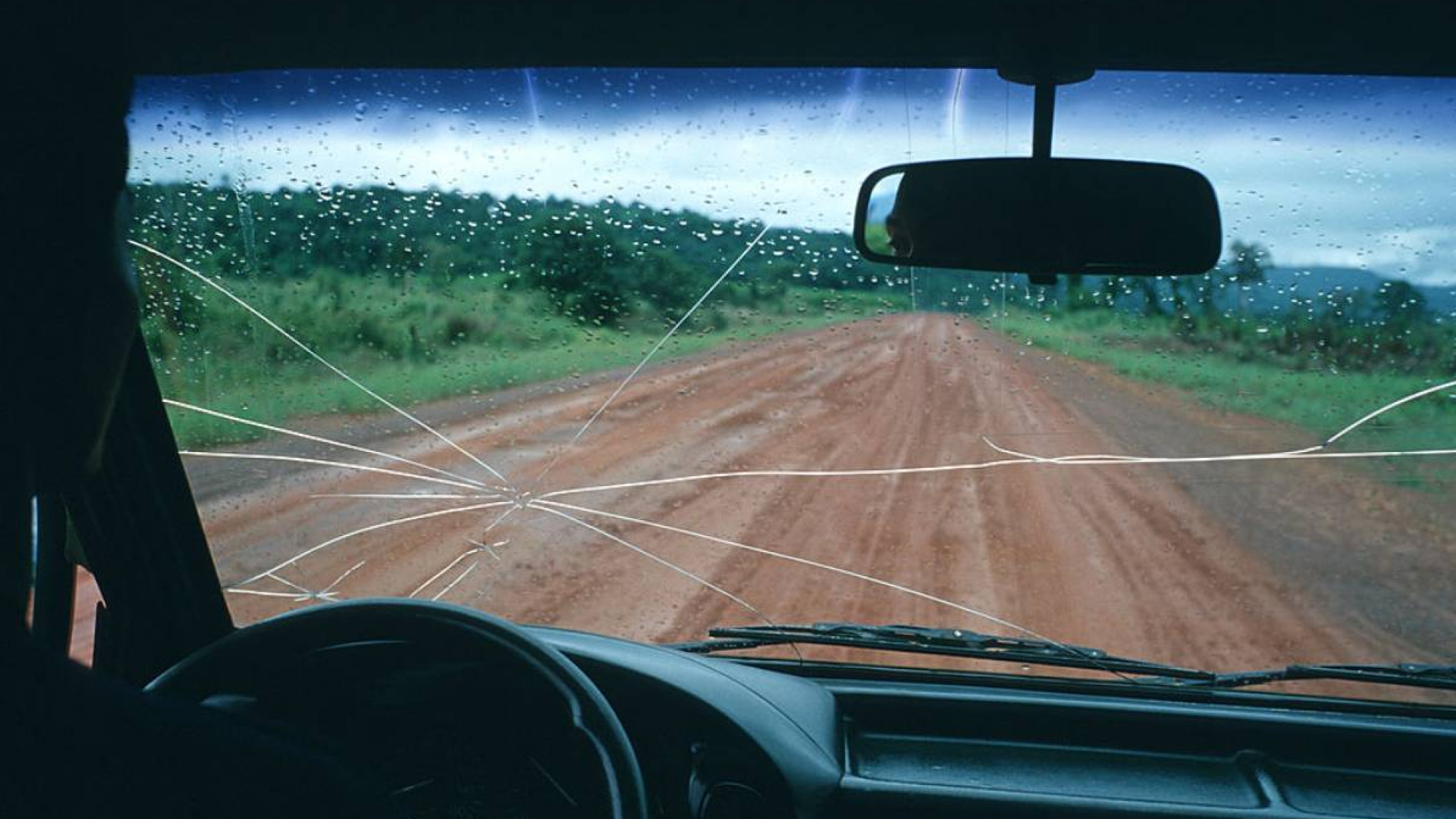
Some impacts create multiple types of damage at once. A windshield might have a central impact point with several lines extending outward.
This type of damage should be professionally assessed before a long trip rather than judged solely by appearance.
Pitting and Surface Damage
A windshield can accumulate small marks from years of highway driving. These imperfections may become particularly noticeable in bright sunlight or at night when headlights create glare.
Surface wear does not necessarily mean the windshield needs replacement, but significant visibility issues should be evaluated.
When Is Windshield Repair Possible?
Windshield repair is generally intended for certain types of limited glass damage. The decision depends on factors such as the damage's size, depth, location, age, and condition.
A technician may also consider whether the damaged area is contaminated or whether the glass has additional cracks.
Why Early Evaluation Can Help
A fresh chip may be assessable more easily than damage that has been exposed to dirt, moisture, temperature changes, and repeated driving conditions.
That is one reason drivers should avoid putting off an inspection simply because the damage appears small.
Repair vs. Replacement
The basic distinction is straightforward:
Windshield repair: A technician treats localized damage in the existing windshield when the damage meets repair criteria.
Windshield replacement: The damaged windshield is removed and replaced when repair is not suitable.
The correct choice should be based on the condition of the glass and vehicle, not simply on what is cheapest or fastest.
When Does Windshield Replacement Make More Sense?
Replacement may be appropriate when damage is too extensive or located in an area where repair is not considered suitable.
A professional may recommend replacement for certain long cracks, severe impact damage, extensive damage near the edge, or other conditions that compromise the windshield's usability.
Location Matters
Two windshields can have similar-looking damage but require different solutions because the damage occurs in different locations.
A chip away from the driver's primary viewing area may have different repair considerations than damage directly in front of the driver.
Advanced Driver Assistance Systems Can Also Matter
Many newer vehicles use cameras and sensors positioned near the windshield for driver assistance features. Depending on the vehicle, windshield replacement may affect systems associated with lane departure warnings, forward collision alerts, automatic emergency braking, or other ADAS functions. For deeper technical background, review how ADAS safety features depend on accurate windshield installation.
If the windshield is replaced on a vehicle equipped with a windshield-mounted camera, calibration may be required according to the vehicle manufacturer's procedures.
This is an important reason not to treat windshield replacement as simply removing one piece of glass and installing another.
Why ADAS Calibration Matters After Some Windshield Replacements
Advanced Driver Assistance Systems, commonly called ADAS, use cameras, radar, sensors, or other technology to support specific driving functions.
A windshield-mounted camera can be positioned precisely in relation to the vehicle. Replacing the windshield may change the camera's position or its relationship to the vehicle.
Lane-Departure Camera Calibration
If a vehicle uses a windshield-mounted camera for lane-departure or related driver-assistance functions, calibration may be necessary after windshield replacement, as explained in understanding lane-departure system calibration after glass replacement.
The exact procedure depends on the vehicle's make, model, year, and system design. A qualified auto glass provider can determine whether calibration is needed and what procedure applies.
What Drivers Should Ask
Before windshield replacement, ask:
Does my vehicle have windshield-mounted ADAS cameras?
Does this replacement require camera calibration?
What type of calibration does the vehicle require?
Will calibration be completed as part of the service?
Getting these questions answered before a road trip can help prevent confusion later.
What to Check on Your Windshield Before Leaving
A quick visual inspection can be part of your normal road-trip preparation.
Look for:
New rock chips
Cracks or spreading cracks
Damage near the windshield edges
Multiple impact points
Areas that create glare
Visibility problems in the driver's viewing area
Excessive pitting or surface wear
Signs that previous damage has changed
Do not press on damaged glass or attempt a DIY repair simply because the damage looks small. If you are unsure about its condition, have a qualified auto glass professional inspect it.
What to Do If a Rock Hits Your Windshield During the Trip
Sometimes windshield damage happens after the trip has already started. A vehicle ahead can throw a stone or piece of road debris into your windshield without warning.
If you hear a sharp impact, safely pull over when possible and inspect the glass.
Follow These Steps
Find a safe place to stop. Do not inspect the windshield while driving.
Look for new chips or cracks. Check the surrounding glass carefully.
Avoid putting pressure on the damaged area.
Keep the area clean and dry when practical.
Contact a professional auto glass provider for advice.
If visibility is significantly affected, do not continue driving simply to reach your destination.
The right response depends on the severity and location of the damage.
Why Mobile Windshield Service Can Be Helpful Before a Trip
A road-trip preparation appointment does not always have to involve spending hours at a shop.
Mobile auto glass service allows eligible repairs or replacements to be performed at a customer's location. This can be useful for people who have a busy schedule or prefer not to drive a vehicle with damaged glass to a shop. Learn more about your options by reading about mobile auto glass repair vs. in-shop service.
Rock Doc Auto Glass offers mobile service as well as in-shop appointments across Utah, giving customers options based on their situation and the type of work required.
When an In-Shop Appointment May Be Preferred
Some customers may prefer an in-shop appointment because of the controlled work environment or because the required service is better suited to a shop setting.
The best option depends on the vehicle, glass damage, service requirements, and technician's recommendation.
Road-Trip Windshield Preparation Checklist
Before starting a long journey, add the windshield to your regular vehicle inspection.
One to Two Weeks Before Departure
Check the windshield for chips, cracks, and visibility problems. If you find damage, schedule an evaluation rather than waiting until the day before departure.
This also gives you time to address any replacement or calibration requirements that may apply to your vehicle.
The Day Before the Trip
Clean the inside and outside of the windshield and inspect it again in good lighting.
Check your wipers as well. Worn or damaged wiper blades can leave streaks across the glass and make visibility worse during rain or road spray.
Before You Pull Onto the Highway
Make sure your windshield is clean, your mirrors are properly adjusted, and your visibility is unobstructed.
If you notice a new crack or significant damage immediately before departure, consider having it evaluated before beginning a long drive.
Common Misconceptions About Windshield Damage
"It's Only a Tiny Chip, So It Doesn't Matter."
A small chip may not require immediate replacement, but it should not automatically be ignored. A professional can determine whether it is suitable for repair.
"If the Crack Hasn't Spread Yet, It Is Safe to Ignore."
A crack that has remained stable still deserves evaluation, particularly before a long road trip. Its location and condition can affect the appropriate next step.
"Every Windshield Chip Requires Replacement."
That is not necessarily true. Some localized damage may be repairable, while other damage requires replacement.
"ADAS Calibration Is Only for Luxury Vehicles."
ADAS features are available across many vehicle categories and models. Whether calibration is necessary depends on the specific vehicle and systems involved, not simply the vehicle's price or brand.
How to Choose an Auto Glass Provider Before a Road Trip
The lowest advertised price should not be the only factor when choosing an auto glass provider.
Look for a company that can clearly explain the recommended repair or replacement process and understands the requirements of your particular vehicle. For helpful guidelines, consult these questions to ask before choosing an auto glass repair company.
Questions Worth Asking
Before scheduling service, ask:
Is my damage repairable?
If replacement is recommended, why?
Does my vehicle require ADAS calibration?
Is mobile service available?
Do you assist with insurance claims?
What warranty is provided?
Is the replacement glass appropriate for my vehicle?
What should I know about driving after replacement?
Clear answers can help you make a more informed decision.
Insurance Assistance Can Simplify the Process
Depending on your insurance policy and state-specific requirements, windshield damage may be covered under applicable auto insurance coverage.
Coverage varies, so drivers should review their policy or contact their insurance provider before assuming that a repair or replacement will be covered.
An auto glass company that assists customers with insurance claims can also make the administrative side of the process easier.
Protecting Your Windshield After Repair or Replacement
Taking care of the windshield does not end when the service is completed.
Follow the technician's instructions regarding curing time, driving restrictions, cleaning, and other post-service recommendations.
For drivers who frequently travel highways or encounter loose road debris, windshield protection products may also be worth considering. ExoShield windshield protection is one option designed to provide an additional protective layer for certain windshield applications. You can discover more details in this guide on how ExoShield windshield protection helps reduce glass damage.
The appropriate product depends on the vehicle and intended use, so discuss compatibility with an auto glass professional.
A Simple Pre-Trip Decision Guide
If you find windshield damage before a road trip, use this basic process:
Step 1: Identify the damage. Determine whether you are looking at a chip, crack, combination damage, or general surface wear.
Step 2: Consider the location. Damage in the driver's primary viewing area or near the windshield edge deserves particular attention.
Step 3: Have it professionally evaluated. A technician can determine whether repair or replacement is appropriate.
Step 4: Check for ADAS requirements. If replacement is necessary, find out whether your vehicle's cameras or driver-assistance systems require calibration.
Step 5: Schedule service before departure. Giving yourself some time before the trip is preferable to discovering a problem immediately before leaving.
Step 6: Follow post-service instructions. After repair or replacement, follow the provider's recommendations before beginning your long drive.
Why Windshield Preparation Belongs on Every Road-Trip Checklist
Road-trip preparation often focuses on mechanical maintenance, but visibility deserves equal attention. Tires, brakes, fluids, battery condition, lights, and windshield condition all contribute to a vehicle that is better prepared for extended travel.
A windshield inspection takes very little time. If damage is found, addressing it early can help you avoid dealing with the problem in an unfamiliar location.
For Utah drivers, long-distance travel can involve highways, mountain routes, changing weather, and significant temperature differences. Preparing the windshield before departure is a practical step that can reduce unnecessary surprises during the journey.
Conclusion
A windshield chip or crack may seem minor when you are only driving a few miles around town, but a long road trip puts your vehicle through many more hours of highway driving and changing conditions.
Checking the windshield before departure gives you an opportunity to identify damage, determine whether repair or replacement is appropriate, and address ADAS calibration requirements when necessary. It can also help protect visibility and reduce the chance of having to rearrange your trip around an unexpected auto glass problem.
The best approach is simple: inspect the glass early, have questionable damage professionally evaluated, and complete necessary repairs or replacement before you start your journey.
For Utah drivers, Rock Doc Auto Glass provides windshield repair and replacement, rock chip and crack repair, ADAS and lane-departure camera calibration, RV and motorhome glass services, and ExoShield windshield protection. Mobile service and in-shop appointments provide flexibility for different schedules and vehicle needs.
A few minutes spent checking your windshield before a road trip can be well worth the peace of mind when you finally hit the road.
Frequently Asked Questions
How much does windshield replacement cost?
Windshield replacement pricing varies based on the vehicle, windshield type, available features, labor requirements, and whether ADAS calibration is necessary. The best way to get an accurate price is to provide the vehicle's year, make, model, and details about the damage.
Can a small windshield chip or crack be repaired instead of replacing the windshield?
Sometimes. Repair depends on factors such as the size, type, depth, location, and condition of the damage. A professional inspection can determine whether the existing windshield meets the requirements for repair or whether replacement is more appropriate.
How long does a windshield replacement or repair take?
Service time varies depending on the vehicle, type of glass, extent of the work, and whether additional procedures such as ADAS calibration are required. Your auto glass provider can give you a more accurate time estimate when scheduling the appointment.
Do you offer mobile windshield repair and replacement at my location?
Mobile auto glass service is available for many repair and replacement situations. The provider can determine whether mobile service is appropriate based on the vehicle, damage, work required, and location.
Do you work with auto insurance companies for windshield claims?
Many auto glass providers can assist customers with insurance-related processes, but coverage depends on the individual policy. Contact your insurance company or the glass provider to confirm eligibility, deductibles, and claim requirements.
Does windshield replacement require ADAS or camera calibration?
It can. Some vehicles have cameras mounted near or behind the windshield that support ADAS features such as lane-departure warnings. If the windshield is replaced, the vehicle may require calibration according to the manufacturer's specifications.
Do you provide windshield replacement for RVs, motorhomes, and larger vehicles?
Specialized auto glass providers may offer glass services for RVs and motorhomes. Because larger vehicles can use different windshield designs and installation requirements, provide the vehicle's year, make, and model when requesting service.
What should I do if my windshield is damaged by a rock while driving?
Safely pull over when possible and inspect the windshield without putting pressure on the damaged area. If you find a new chip or crack, contact an auto glass professional for an assessment. If the damage seriously affects visibility, avoid continuing the trip until the situation is stopped or resolved.
How soon can I drive my vehicle after a windshield replacement?
The required wait time depends on the adhesive and installation process used, environmental conditions, and the vehicle. Always follow the technician's specific safe-drive-away instructions rather than relying on a generic timeframe.
Do you offer a warranty on windshield repairs and replacements?
Warranty coverage varies by provider and service. Before the work is completed, ask what the warranty covers, how long it applies, and whether there are exclusions or conditions you should understand.
