
Introduction
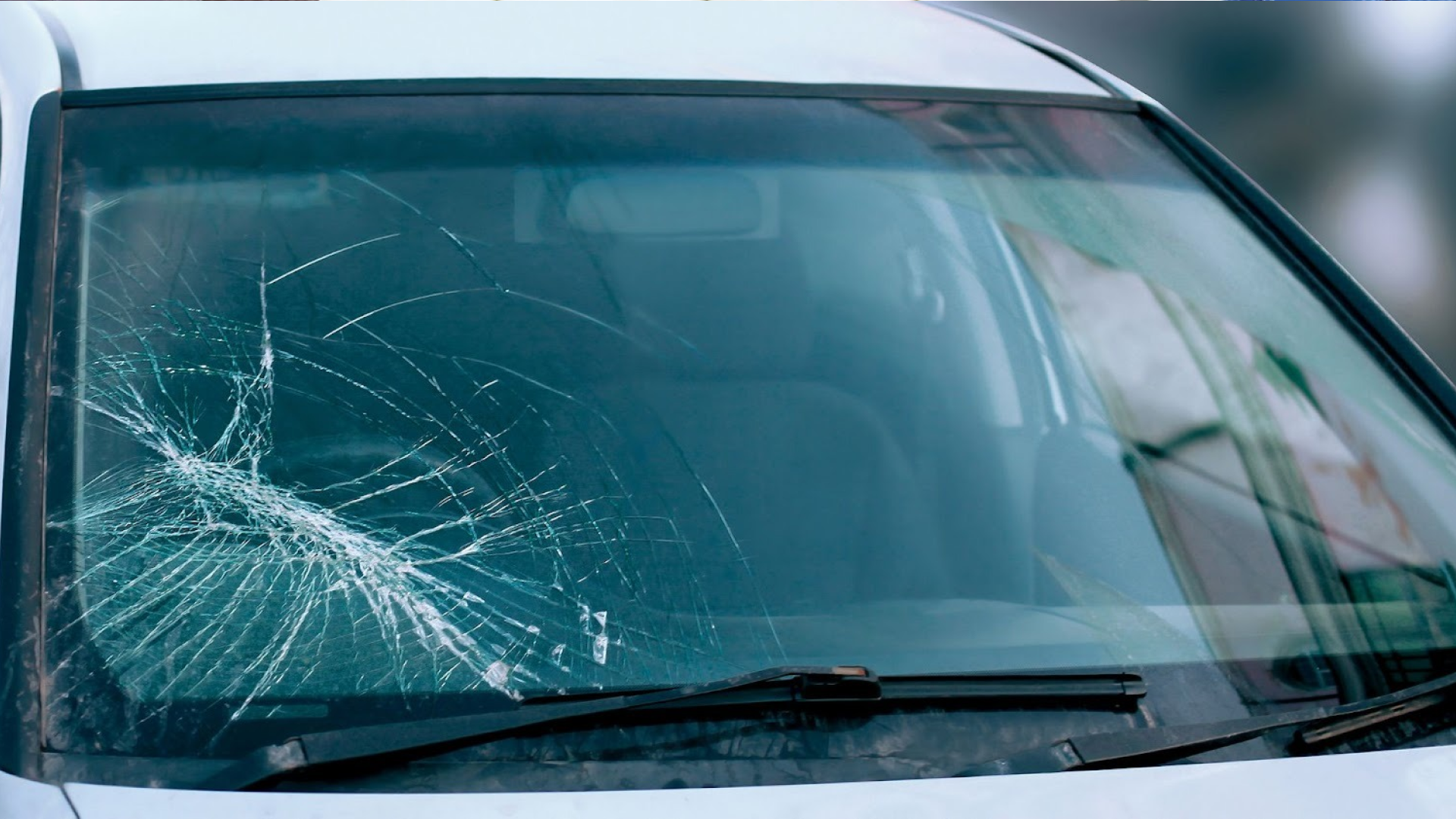
A windshield crack can look harmless when it first appears. A small line may seem like nothing more than a cosmetic annoyance, especially if the vehicle is still easy to drive and the crack is not directly in front of you.
The problem is that windshield cracks can change over time. Temperature changes, road vibration, impacts, vehicle movement, and stress around the damaged area can cause a crack to spread. A crack that was once small enough to monitor may eventually require windshield replacement.
Knowing how to recognize the warning signs can help you respond before the damage becomes more extensive. It can also help you understand when professional windshield chip and crack repair may still be an option and when replacement should be considered.
Why Windshield Cracks Can Get Worse
A windshield is more than a piece of glass that keeps wind and rain outside the vehicle. It is part of the vehicle's safety structure and works with other systems, including cameras and sensors on vehicles equipped with advanced driver assistance systems (ADAS).
When glass is damaged, the surrounding area can become more vulnerable to additional stress. A crack may remain relatively stable for a period of time, but that does not guarantee it will stay that way.
Temperature Changes Can Stress Damaged Glass
One of the most common reasons a windshield crack may spread is a rapid temperature change.
Glass expands and contracts as temperatures change. If one part of the windshield heats or cools faster than another, existing damage can experience additional stress. For more insights on this, read our post on can extreme heat or cold cause existing windshield chips to spread.
For example, imagine a vehicle sitting outside on a cold morning. The windshield is cold, and the driver turns on the defroster with warm air directed toward the glass. The sudden temperature difference can place additional stress around an existing crack.
The reverse can happen during hot weather. A windshield that has been exposed to intense sunlight can experience another temperature shift when the air conditioning is turned on.
Road Vibration Can Affect Existing Cracks
Everyday driving exposes a vehicle to vibration and movement. Potholes, uneven pavement, railroad crossings, rough roads, and repeated impacts can all place stress on damaged glass.
A crack does not need another rock impact to grow. Normal driving conditions can be enough to make an existing crack longer, particularly when the glass has already been weakened around the damaged area.
Additional Impacts Can Turn a Small Crack Into a Larger Problem
A damaged windshield is more vulnerable to another impact.
A second rock, piece of road debris, or other object striking close to an existing crack can cause the damage to spread rapidly. As detailed in our guide on how rock chips spread into large cracks and what drivers can do about it, even an impact that would normally create a small chip can produce a larger crack when it hits already-damaged glass.
Signs That a Windshield Crack Is Getting Worse
Not every crack changes dramatically overnight. Sometimes the progression is subtle, which is why inspecting the damaged area regularly can be useful.
Several signs can indicate that a windshield crack is expanding or becoming more complicated.
The Crack Has Become Longer
The clearest warning sign is an increase in the crack's length.
If you remember approximately where the crack ended and later notice that it has extended farther across the windshield, the damage is progressing.
A useful habit is to take a clear photograph of the crack when you first notice it. You can compare the image with the windshield later rather than relying entirely on memory.
New Branches Are Appearing
A crack may begin as a relatively straight line and later develop branches.
These branching patterns can extend outward from the original damaged area. They may indicate that stress is spreading through the surrounding glass.
A crack with multiple branches can be more difficult to repair than a simple, isolated chip or small crack.
The Crack Reaches the Edge of the Windshield
A crack that extends toward or reaches the edge of the windshield deserves professional attention.
The edge of the glass can be a particularly important area because cracks may behave differently once they reach the perimeter. A crack that has traveled across a significant portion of the windshield may also be less suitable for repair.
Do not assume that a crack is safe simply because it has stopped moving temporarily.
The Damage Changes After Driving
Pay attention to the windshield after driving over rough pavement or experiencing another road impact.
If the crack appears longer, develops new branches, or changes noticeably after driving, that is a sign that the damage is active rather than simply cosmetic.
You Notice a New Chip or Impact Point
Sometimes a crack appears to worsen because another impact has occurred.
Look for a new chip, pit, star-shaped impact, or small point of damage near the existing crack. A fresh impact can create additional stress and change the shape of the original damage.
How to Check Whether a Windshield Crack Has Spread
You do not need specialized equipment to monitor a windshield crack between professional inspections.
A simple visual check can help you recognize changes.
Step 1: Park Somewhere With Good Lighting
Park the vehicle in a safe location where you can clearly see the windshield.
Natural daylight is useful because reflections can make small cracks difficult to identify. Clean the exterior glass if dirt or road film is making the damage harder to see.
Step 2: Identify Both Ends of the Crack
Look carefully at where the crack begins and ends.
If possible, take a photograph from a similar angle each time you check it. This gives you a visual reference for determining whether the crack has extended.
Step 3: Look for New Branches
Inspect the entire damaged area rather than focusing only on the original line.
Look for smaller cracks extending away from the main crack, especially around the original impact point.
Step 4: Check the Edges
Determine whether the crack is moving toward the edge of the windshield.
A crack that is approaching the perimeter may require a different repair assessment than a small crack located away from the edges.
Step 5: Look for Additional Damage
Check for new chips, impact points, or cracks elsewhere on the windshield.
If there is new damage, the windshield should be professionally evaluated rather than judged only by the original crack.
Can a Windshield Crack Be Repaired?
Sometimes, yes. Whether a windshield crack can be repaired depends on several factors.
The type, size, location, depth, and condition of the damage all matter. The presence of contamination inside the damaged area and whether the damage affects an important viewing area can also influence the repair decision.
Small Cracks May Be Repairable
A relatively small crack may sometimes be repaired before it spreads further.
Professional windshield repair typically involves treating the damaged area so the glass can regain some of its structural integrity and the damage becomes less noticeable.
The earlier a potentially repairable windshield is evaluated, the more options may be available.
Longer or Complicated Cracks May Require Replacement
As damage becomes longer or more complex, windshield replacement may become the appropriate solution.
Replacement may also be considered when damage is in a critical viewing area, reaches an edge, penetrates multiple layers, or cannot be reliably repaired.
There is no single crack length that automatically determines the answer for every windshield. Vehicle design, glass construction, damage location, and repair standards all matter.
Windshield Repair vs. Windshield Replacement
Understanding the difference between these two services can make the next step less confusing.
Windshield Repair
Repair is generally intended for localized damage that can be treated without removing the entire windshield.
Potential advantages include:
Preserving the original windshield when appropriate
Addressing damage before it spreads
Typically requiring less work than full replacement
Helping improve the appearance of the damaged area
A professional should determine whether the damage is suitable for repair.
Windshield Replacement
Replacement involves removing the damaged windshield and installing new glass that is appropriate for the vehicle.
Replacement may be necessary when:
The windshield has extensive cracking
Damage reaches or is too close to an edge
The crack affects a critical viewing area
Multiple areas of significant damage are present
The damage cannot be reliably repaired
Modern windshield replacement can involve more than installing a piece of glass. Vehicles equipped with ADAS may require camera calibration after replacement.
Why ADAS Calibration Matters After Windshield Replacement
Many newer vehicles use cameras mounted near the windshield to support driver assistance features.
Depending on the vehicle, these systems can be associated with functions such as lane departure warnings, lane keeping assistance, forward collision warnings, or automatic emergency braking.
When a windshield containing or supporting a camera system is replaced, the camera's position relative to the vehicle can change. Professional adas and lane departure calibration may be required according to the vehicle manufacturer's procedures.
What Happens If Calibration Is Needed?
The exact process varies by vehicle.
Some systems require static calibration, dynamic calibration, or a combination of procedures. The appropriate process depends on the vehicle and the manufacturer's specifications.
That is why windshield replacement should not be treated as a glass-only job on an ADAS-equipped vehicle. The replacement and calibration process should be handled according to the requirements for that specific vehicle.
What You Should Do When a Windshield Crack Starts Spreading
If you notice that a windshield crack is getting longer, avoid waiting for it to become a major problem before seeking an assessment.
Avoid Unnecessary Stress on the Glass
Until the windshield can be professionally evaluated, avoid situations that could place unnecessary stress on the damaged area.
That can include sudden temperature changes, rough driving conditions, or deliberately testing whether the crack will continue to spread.
Do not press on the crack or attempt to manipulate the damaged glass.
Get the Damage Evaluated Promptly
A professional auto glass technician can inspect the windshield and determine whether repair or replacement is appropriate.
An evaluation is especially useful when the damage is growing, branching, close to an edge, or located in the driver's primary viewing area.
Ask About Mobile Auto Glass Service
If driving the vehicle is inconvenient or you are concerned about the windshield's condition, mobile auto glass service may be an option.
Mobile service allows qualified technicians to perform certain windshield repairs or replacements at an appropriate customer location, depending on the vehicle and service requirements.
Common Mistakes People Make With Windshield Cracks
A few assumptions can cause drivers to delay getting damaged glass evaluated.
"The Crack Hasn't Moved, So It's Fine"
A crack that appears stable today may still become worse later.
The absence of visible movement at one moment does not guarantee that the damage will remain unchanged.
"I'll Wait Until It Gets Bigger"
Waiting can reduce your repair options if the crack continues to spread.
If the damage may be repairable now, delaying an assessment can allow additional stress, contamination, or impacts to complicate the situation.
"A Windshield Crack Is Only Cosmetic"
A windshield contributes to the vehicle's overall safety system.
Drivers should not treat significant windshield damage as purely an appearance issue, particularly when the crack affects visibility or is located in an important structural area.
"Any Windshield Can Be Repaired"
Not every crack is a candidate for repair.
Professional evaluation is the safest way to determine whether repair is appropriate or whether replacement is necessary.
How Utah Drivers Can Protect Their Windshield
Utah drivers encounter a variety of road and weather conditions that can put stress on vehicle glass.
Simple habits can help reduce unnecessary windshield damage.
Maintain a Safe Following Distance
Keeping additional distance from trucks and other vehicles can reduce exposure to rocks and road debris kicked up by traffic.
This is particularly useful on roads where loose gravel or construction debris may be present.
Avoid Sudden Temperature Changes When Possible
If the windshield is extremely cold or hot, allow temperature changes to occur gradually when practical.
Do not deliberately expose a damaged windshield to extreme temperature differences as a test.
Address Chips and Cracks Early
A small chip or crack is easier to evaluate before it becomes larger.
If you notice new windshield damage, document it and arrange an assessment rather than assuming it will remain unchanged.
Keep Your Windshield Clean
A clean windshield makes it easier to spot small chips, cracks, and changes in existing damage.
Regular cleaning also improves visibility, which is particularly important when driving at night or in challenging weather.
When a Cracked Windshield Needs Immediate Attention
Some situations deserve more urgency than others.
Seek professional auto glass guidance promptly if:
The crack is rapidly spreading.
The damage reaches the edge.
Multiple cracks are developing.
A large impact has damaged the glass.
The crack interferes with your view of the road.
The windshield has significant damage in front of an ADAS camera.
You are unsure whether the windshield remains safe to drive with.
If you believe the windshield may be unsafe, avoid driving the vehicle until you have received appropriate professional guidance.
How Professional Windshield Service Helps
A professional auto glass technician does more than simply look at the size of a crack.
The technician can consider the location and pattern of the damage, the windshield's construction, the vehicle's design, visibility concerns, and whether the vehicle has camera-based driver assistance technology.
For windshield replacement, the correct glass and installation process matter. On vehicles requiring ADAS calibration, the camera system should also be addressed according to the applicable vehicle requirements.
Rock Doc Auto Glass provides windshield repair and replacement, rock chip and crack repair, ADAS and lane-departure camera calibration, RV and motorhome glass services (including specialized motorhome and rv glass and windshields), and exoshield windshield protection. Customers can choose between mobile service and in-shop appointments, depending on their needs and vehicle requirements. You can also visit our about us page or contact us to schedule an appointment.
Conclusion
A windshield crack does not always become worse immediately, but changes in temperature, road vibration, additional impacts, and other stresses can cause existing damage to spread.
The most obvious warning signs include a longer crack, new branches, movement toward the windshield edge, or additional impact damage. Taking a photograph when damage first appears can also make it easier to recognize changes over time.
The key is not to wait for a small crack to become a major windshield problem. If you notice that the damage is changing, affecting your visibility, or approaching an edge, have the windshield professionally evaluated. Depending on the damage, repair may be possible, while more extensive cracking may require replacement and, on some vehicles, ADAS camera calibration. For additional answers, check out our auto glass faqs.
Frequently Asked Questions
How can I tell if my windshield crack is getting worse?
Look for changes in the crack's length, new branches, movement toward the windshield edge, or additional chips and impact points. Taking photographs of the damage can help you compare its condition over time.
Can a small windshield crack be repaired instead of replacing the windshield?
A small crack may be repairable depending on its location, size, depth, pattern, and condition. A professional auto glass technician should inspect the damage and determine whether repair is appropriate for that specific windshield.
Why does a windshield crack spread when the temperature changes?
Glass expands and contracts as temperatures change. Rapid or uneven temperature changes can place additional stress around existing windshield damage, potentially causing a crack to extend or develop additional branches.
Is it safe to drive with a cracked windshield?
It depends on the damage, its location, and its effect on visibility and the windshield's condition. A rapidly spreading crack, significant impact damage, edge damage, or damage affecting the driver's view should be professionally evaluated promptly.
What should I do if a rock hits my windshield while driving?
After a rock impact, inspect the windshield when it is safe to do so. Look for chips or cracks, document the damage with a photograph, and arrange a professional inspection if damage is present. Avoid pressing on or attempting to repair the glass yourself.
Does windshield replacement require ADAS or camera calibration?
Some vehicles require ADAS camera calibration after windshield replacement. The requirement depends on the vehicle and the systems installed. A qualified auto glass professional can determine what calibration procedure applies to the vehicle.
How long can I wait before repairing a windshield crack?
There is no universal safe waiting period because windshield damage can change unpredictably. If a crack is spreading, branching, approaching an edge, or affecting visibility, arrange a professional evaluation rather than waiting for it to become larger.
Can a windshield crack be repaired if it reaches the edge?
A crack that reaches the edge may be more difficult or unsuitable to repair. The technician needs to evaluate the exact location, length, pattern, and condition of the windshield before recommending repair or replacement.
Does windshield replacement include mobile service?
Mobile windshield service is available from some auto glass providers and can allow repairs or replacements to be performed at an appropriate customer location. Service availability depends on the vehicle, damage, installation requirements, and location.
Can auto glass services work with insurance?
Many auto glass providers can assist customers with insurance-related windshield claims or paperwork. Coverage and deductibles vary by insurance policy, so drivers should confirm their specific benefits and claim requirements with their insurer.
