
Introduction
A damaged windshield can leave you with a simple question: Does the glass need to be repaired, or does the entire windshield need to be replaced? The answer depends on several factors, including the size and location of the damage, whether the glass is cracked or chipped, how far the damage has spread, and whether the windshield's structural or safety features have been affected.
A small rock chip may be repairable before it develops into a larger crack. A long crack, damage near the edge of the windshield, or damage affecting the driver's viewing area may require replacement instead. Modern vehicles can also have cameras and advanced driver assistance systems (ADAS) mounted near the windshield, making proper glass installation and calibration an important part of the process.
Understanding the difference between windshield repair and replacement can help you make a more informed decision after road debris, temperature changes, or an accident damages your glass.
For Utah drivers, professional auto glass service can include both mobile windshield repair and replacement and in-shop appointments. The right option starts with evaluating the damage rather than automatically assuming that a new windshield is necessary.
What Is Windshield Repair?
Windshield repair is the process of treating limited damage in the existing glass rather than removing the entire windshield. It is commonly used for certain rock chips, small impact points, and some cracks that meet repair guidelines.
A technician typically cleans the damaged area, removes air and debris from the impact point, and uses a specialized resin to fill the damaged portion. The resin is cured and the area is finished so the repair is stable and the appearance of the damage is improved.
The goal is not to make the windshield look as though the damage never happened. A professional repair is intended to restore the integrity of the affected area and help prevent the damage from spreading.
What Types of Windshield Damage May Be Repairable?
Repairability depends on the specific damage and the condition of the glass. Common examples that may qualify for repair include:
Small rock chips
Bullseye or similar impact damage
Certain star-shaped chips
Small combination breaks
Some short cracks
A technician should inspect the windshield before deciding. Damage that appears minor from inside the vehicle can sometimes extend farther through the glass than expected.
Why Repairing a Small Chip Quickly Matters
A rock chip may look insignificant, especially if it is outside your direct line of sight. However, changes in temperature, vibration, road impacts, and everyday driving can cause existing damage to spread.
A chip can also collect moisture and contaminants if it remains exposed. That can make the eventual repair more difficult and may affect the appearance of the finished repair.
For that reason, having a new chip assessed promptly is generally preferable to waiting until it develops into a larger crack.
What Is Windshield Replacement?
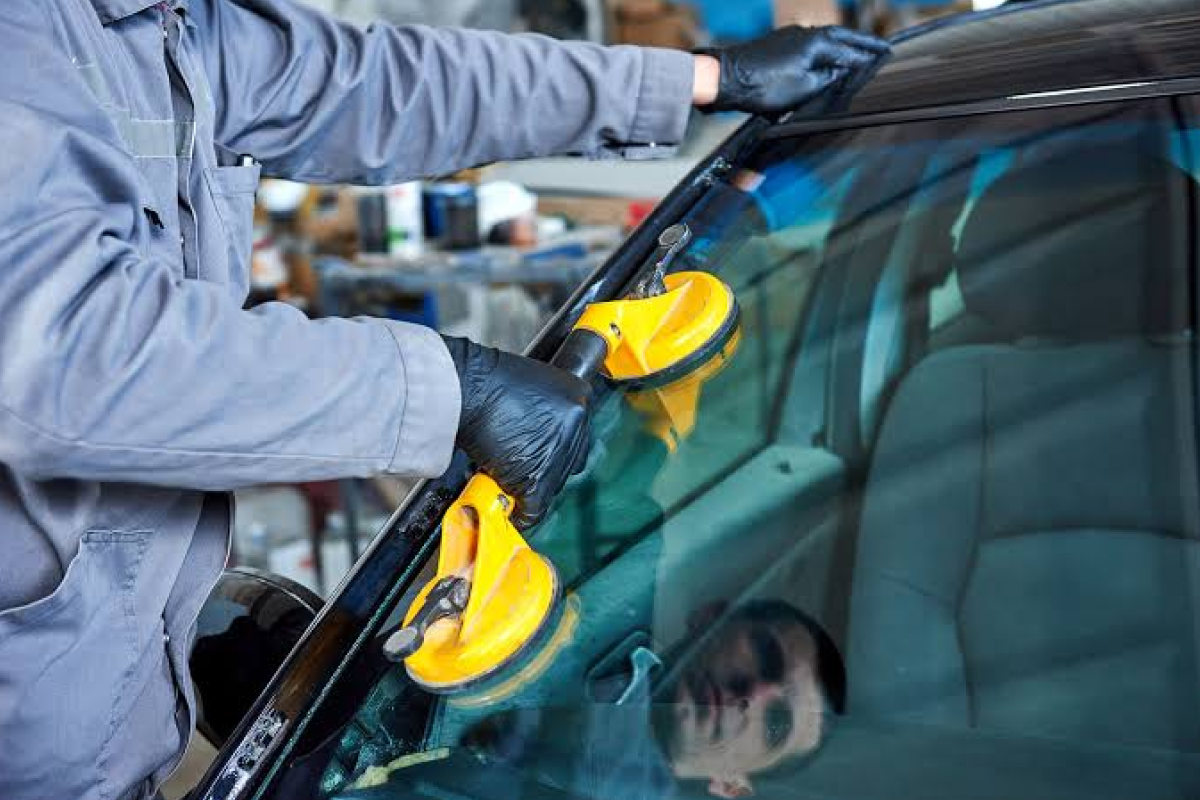
Windshield replacement involves removing the damaged windshield and installing a new piece of automotive glass designed specifically for the vehicle.
The technician carefully removes the existing glass, prepares the vehicle's bonding surface, installs the replacement windshield using the appropriate materials, and allows the adhesive to reach the required cure level before the vehicle is returned to the driver.
Replacement is generally considered when the windshield cannot be safely or reliably repaired.
When Does a Windshield Need to Be Replaced?
Replacement may be appropriate when damage is too extensive for a repair or when the damaged area affects an important part of the windshield.
Situations that can lead to replacement include:
A long or extensive crack
Damage that reaches the windshield edge
Multiple areas of significant damage
Damage in a location where a repair would interfere with visibility
Glass damage that compromises the windshield's condition
Damage that cannot be adequately stabilized with a repair
The exact decision depends on the vehicle, windshield, damage pattern, and applicable repair standards.
Why the Windshield Is More Than a Piece of Glass
A windshield contributes to a vehicle's overall safety system. It provides visibility, helps keep occupants protected from outside elements, and is part of the vehicle's designed structure.
Modern windshields can also accommodate technology such as forward-facing cameras and sensors associated with ADAS features. That means replacing the glass can involve more than simply removing old glass and installing new glass.
Windshield Repair vs. Replacement: The Main Differences
The simplest distinction is this: repair treats limited damage in the existing windshield, while replacement removes the damaged windshield and installs new glass.
This comparison is a starting point, not a substitute for a professional inspection. Two windshields with similar-learning damage may require different approaches because the location, depth, vehicle design, or surrounding glass condition can differ.
How Technicians Decide Between Repair and Replacement
A professional assessment usually considers several characteristics of the damage.
1. Size and Type of Damage
The shape and extent of the chip or crack are important. A small impact point can be very different from a crack that has traveled across a large section of the windshield.
Technicians look at the actual damage rather than relying only on a general description such as "small crack."
2. Location of the Damage
Where the damage occurs matters.
Damage near the edge of the windshield can be more concerning because the edge is an important part of the glass installation and structure. Damage directly in the driver's primary viewing area can also raise visibility concerns.
3. Depth of the Damage
Automotive windshield glass is constructed differently from ordinary household glass. A windshield typically consists of laminated glass with an inner layer between the glass sheets.
If the damage extends through critical layers or affects the windshield in a way that cannot be appropriately repaired, replacement may be necessary.
4. Condition of the Rest of the Windshield
A single repairable chip is a different situation from a windshield containing multiple cracks, previous repairs, and additional damage.
A technician needs to consider the overall condition of the glass before recommending the next step.
5. Vehicle Technology
Many newer vehicles use windshield-mounted cameras or other systems associated with features such as lane departure warnings, forward collision alerts, or automatic emergency braking.
If a replacement changes the position or optical characteristics of the windshield in relation to a camera, ADAS calibration may be required.
What Happens During a Windshield Repair?
The exact process varies with the type of damage and vehicle, but a typical repair involves several steps.
Step 1: Inspect the Damage
The technician examines the chip or crack to determine whether it meets repair requirements.
Step 2: Prepare the Area
The damaged section is cleaned and prepared. The technician may remove loose material and contaminants that could interfere with the repair.
Step 3: Inject Repair Resin
Specialized resin is introduced into the damaged area. The goal is to fill the voids within the break rather than simply covering the surface.
Step 4: Cure the Resin
The resin is cured using an appropriate process so it hardens inside the damaged area.
Step 5: Finish the Repair
The repaired area is cleaned and finished. Some visual evidence of the original damage may remain, but the repair is designed to stabilize the damaged section.
What Happens During Windshield Replacement?
Windshield replacement requires a more extensive procedure because the existing glass must be removed.
Removing the Damaged Windshield
The technician carefully separates the windshield from the vehicle without damaging surrounding components.
Preparing the Mounting Area
The bonding surface is prepared for the new glass. Proper preparation is essential because the windshield must be securely bonded to the vehicle.
Installing the New Glass
The replacement windshield is positioned using the correct specifications and appropriate automotive-grade adhesive.
Allowing Proper Cure Time
The adhesive needs sufficient time to cure before the vehicle is driven. The required safe-drive-away time depends on the adhesive, environmental conditions, vehicle, and installation process.
Checking Cameras and Safety Systems
If the vehicle has windshield-mounted ADAS equipment, the technician may need to perform or arrange calibration after replacement.
Does Windshield Replacement Require ADAS Calibration?
Not every windshield replacement requires ADAS calibration, but many vehicles with windshield-mounted cameras or sensors may require it.
ADAS stands for Advanced Driver Assistance Systems. Depending on the vehicle, these systems can support functions such as lane departure warnings, forward collision warnings, or automatic emergency braking.
The camera's relationship to the windshield matters because the replacement glass must provide the correct optical path. If calibration is specified for the vehicle after glass replacement, it should not be treated as an optional extra.
Drivers should ask their auto glass provider whether their specific vehicle requires calibration after windshield replacement.
Can a Windshield Chip Be Repaired Instead of Replaced?
Sometimes, yes.
A small rock chip does not automatically mean the windshield needs to be replaced. If the damage is limited and meets the technician's repair criteria, repairing the existing windshield can be an appropriate option.
However, a chip should not be judged by size alone. Location, depth, shape, surrounding damage, and the condition of the windshield all matter.
If you notice a new chip after driving on a Utah highway, getting it inspected early can help determine whether repair remains an option.
Common Misconceptions About Windshield Damage
A Tiny Crack Is Always Safe to Ignore
Not necessarily. A small crack can grow, particularly when the windshield experiences temperature changes, vibration, or additional road impacts.
Every Windshield Chip Requires Replacement
Also false. Some chips can be professionally repaired without replacing the windshield.
A Repair Makes the Damage Completely Invisible
A quality repair can improve the appearance and stabilize the damaged area, but it may not completely erase every visual trace of the original impact.
Windshield Replacement Is Only About Installing Glass
Modern windshield replacement can involve vehicle-specific glass, adhesives, cameras, sensors, moldings, and ADAS calibration requirements.
Mobile Service Means Lower-Quality Work
Mobile auto glass service can be performed at a customer's location when the repair or replacement is suitable for mobile installation. The quality depends on the technician, materials, equipment, procedures, and vehicle-specific requirements—not simply on whether the work occurs at a shop or another location.
What Should You Do After a Rock Hits Your Windshield?
A rock impact can happen without warning. You may hear a sharp pop and discover a chip or crack after pulling over.
If you notice windshield damage:
Inspect the glass safely. Do not attempt to examine the damage while driving.
Avoid pressing or picking at the damaged area.
Keep the windshield clean and dry when practical.
Arrange an inspection as soon as reasonably possible.
Ask whether the damage can be repaired or requires replacement.
If replacement is necessary, ask whether your vehicle requires ADAS calibration.
Check your insurance coverage if you plan to file a glass claim.
A professional inspection gives you a clearer answer than trying to determine repairability from a photograph or general rule.
Mobile vs. In-Shop Auto Glass Service
Both mobile and in-shop service can be useful depending on the situation.
Mobile service allows an auto glass technician to perform eligible work at a customer's home, workplace, parking location, or another suitable location. This can be especially convenient when the windshield damage makes driving undesirable.
In-shop service provides a controlled workspace where the technician can complete the glass service using the equipment and environmental conditions appropriate for the job.
The right option depends on the vehicle, type of service, weather and working conditions, and the provider's procedures.
How Insurance May Fit Into the Process
Auto insurance coverage for glass damage varies by policy, insurer, deductible, and state-specific requirements. A windshield repair or replacement should not automatically be assumed to be fully covered.
Before authorizing work through insurance, ask your insurer about:
Glass coverage
Applicable deductible
Claim requirements
Approved or preferred repair providers
Whether calibration is covered when required
Any limitations that apply to your policy
An auto glass company that assists with insurance claims can help make the process easier, but the insurance policy ultimately determines coverage.
How to Choose Between Repair and Replacement
The decision should start with the condition of the windshield rather than the price of one option versus another.
Ask these questions:
What type of damage does my windshield have?
Where is the damage located?
Has the crack reached the edge?
Is the damage in the driver's primary viewing area?
Is the windshield's structural condition affected?
Does my vehicle have a windshield-mounted camera?
Will ADAS calibration be required after replacement?
Is mobile service appropriate for my vehicle and situation?
What warranty applies to the repair or replacement?
Can the provider assist with insurance?
These questions help you understand what the recommended service actually involves.
Why Professional Windshield Service Matters
Windshield work is not simply a cosmetic repair. The glass, adhesive, vehicle structure, and electronic safety systems may all interact with one another.
Professional auto glass technicians work with vehicle-specific requirements and appropriate installation procedures. For replacement, correct glass selection and adhesive application matter. For vehicles equipped with ADAS cameras, calibration can also be part of returning the system to the manufacturer's specified condition.
Rock Doc Auto Glass provides windshield repair and replacement services across Utah, including mobile and in-shop options. The company also handles rock chip and crack repair, ADAS and lane-departure camera calibration, RV and motorhome glass services, and ExoShield windshield protection.
For drivers dealing with a damaged windshield, the useful first step is simple: have the damage evaluated before assuming you need an entire replacement.
Conclusion
Windshield repair and windshield replacement solve different problems.
A limited rock chip or certain small cracks may be suitable for repair, while extensive cracking, edge damage, visibility concerns, or other conditions may make replacement the appropriate option. The decision depends on the type, location, depth, and overall condition of the damage.
Modern vehicles add another consideration. If the windshield contains a forward-facing camera or other ADAS equipment, replacement may require calibration to ensure the system is correctly aligned according to the vehicle's requirements.
If your windshield has been damaged, don't wait for a small problem to become a larger one. Have the glass professionally inspected and ask what repair or replacement option is appropriate for your specific vehicle.
Frequently Asked Questions
1. How much does windshield replacement cost?
Windshield replacement pricing varies based on the vehicle, windshield type, required parts, installation requirements, and whether ADAS calibration is necessary. Insurance coverage and deductibles can also affect your out-of-pocket cost.
2. Can a small windshield chip or crack be repaired instead of replacing the windshield?
Yes, some small chips and cracks can be repaired. Repairability depends on factors such as the damage type, size, location, depth, and overall windshield condition. A technician should inspect the damage before recommending repair or replacement.
3. How long does a windshield replacement or repair take?
Repair is generally less involved than full replacement. Replacement time depends on the vehicle, glass, adhesive, and whether additional procedures such as ADAS calibration are required. Your technician can provide a vehicle-specific estimate.
4. Do you offer mobile windshield repair and replacement at my location?
Mobile auto glass service may be available when the vehicle and working location are suitable for the required service. Mobile repair can be particularly convenient when driving with damaged glass is undesirable or impractical.
5. Do you work with auto insurance companies for windshield claims?
Auto glass providers may assist customers with insurance claims, but coverage depends on the driver's policy, deductible, insurer requirements, and applicable conditions. Confirm your specific coverage with your insurance company before scheduling service.
6. Does windshield replacement require ADAS or camera calibration?
It can. Vehicles with windshield-mounted cameras or other ADAS equipment may require calibration after windshield replacement. Whether calibration is necessary depends on the vehicle and the manufacturer's service requirements.
7. Do you provide windshield replacement for RVs, motorhomes, and larger vehicles?
Specialized auto glass providers can service certain RVs and motorhomes. Because larger vehicles can use different glass sizes, designs, and installation procedures, confirm that the provider services your specific make and model.
8. What should I do if my windshield is damaged by a rock while driving?
Pull over safely when possible and inspect the windshield only after stopping. Avoid touching the damaged area and arrange a professional inspection. Early assessment can determine whether the damage may still qualify for repair.
9. How soon can I drive my vehicle after a windshield replacement?
You should follow the technician's specified safe-drive-away time. It depends on the adhesive, environmental conditions, vehicle requirements, and installation procedure. Do not drive before the technician confirms that the vehicle is safe to operate.
10. Do you offer a warranty on windshield repairs and replacements?
Warranty terms vary by provider and service. Before authorizing work, ask what the warranty covers, how long it applies, and whether there are exclusions or conditions related to additional damage.
