
Introduction
A small rock hits your windshield while you're driving down the highway. You hear a sharp tap, glance at the glass, and notice a tiny chip. At first, it seems harmless. You can still see clearly, and the damage looks too small to worry about.
A few days later, you notice a thin crack extending from that same spot. After another cold morning or a drive over rough pavement, the crack appears even longer. What started as a minor chip has become a problem that may require windshield replacement instead of a simple repair.
Windshield damage spreads when stress concentrates around an existing chip or crack, allowing the glass to fracture further. Temperature changes, road vibrations, vehicle movement, moisture, and the original impact can all contribute to crack growth.
Understanding why this happens can help you protect your windshield, recognize when professional attention is necessary, and avoid making a repairable chip more difficult to address. For Utah drivers, where seasonal temperature swings, winter conditions, and mountain driving can present additional challenges, knowing what to do after a rock impact is particularly useful.
Why Does Windshield Damage Spread After a Rock Impact?
Windshields are made from laminated safety glass, which typically consists of two layers of glass bonded to a plastic interlayer called polyvinyl butyral (PVB). This construction helps hold broken glass together during an impact and provides an important safety barrier.
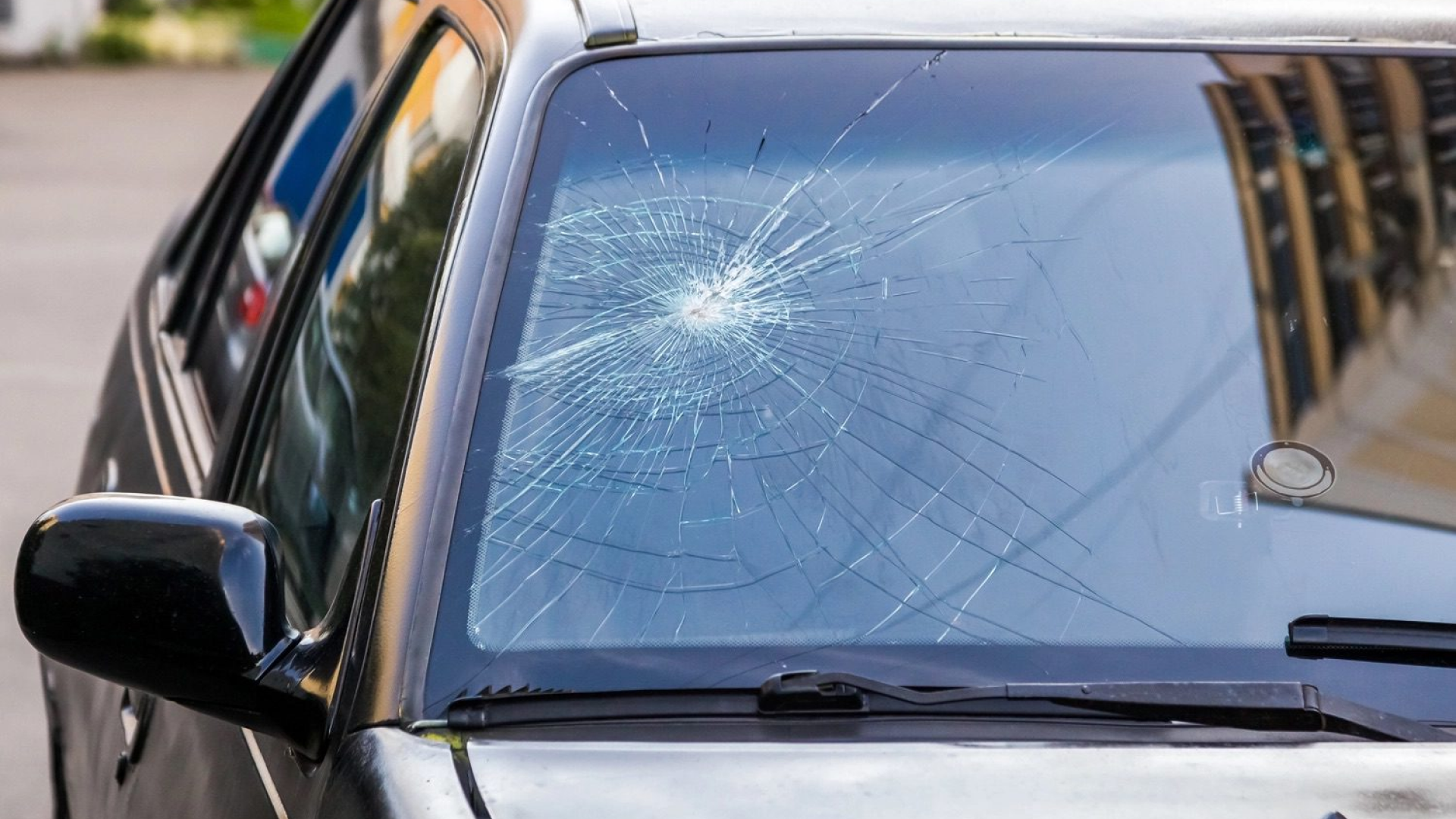
When a rock strikes the windshield, it can damage one or both glass layers. The visible result may be a small chip, a star-shaped mark, a bull's-eye, or a crack extending outward from the impact point.
Even when the damage appears minor, the glass around it is no longer intact. The damaged area becomes a stress concentration point, meaning forces that would normally be distributed across the windshield can become concentrated around the chip or crack.
1. Temperature Changes Cause Glass to Expand and Contract
Temperature fluctuations are among the most common reasons a damaged windshield develops a longer crack, as detailed in this guide on how weather conditions affect windshield damage throughout the year.
Glass expands when heated and contracts when cooled. Although these changes are usually too small to notice, they can place additional stress on an area that has already been weakened by a rock impact.
For example, imagine leaving your vehicle outside on a cold Utah morning. When you start driving, the windshield may still be cold. Turning on the defroster and directing hot air toward the glass creates a temperature difference between the warmer interior surface and the colder surrounding areas.
That uneven heating can increase stress around an existing chip, allowing a crack to grow.
The reverse can happen during warmer weather. A vehicle sitting in direct sunlight may develop a hot windshield, and a sudden temperature change can place additional stress on damaged glass.
Practical takeaway: Warm or cool the cabin gradually after discovering windshield damage. Avoid directing extremely hot air onto a cold, damaged windshield or pouring hot water over icy glass.
2. Road Vibrations and Potholes Put Pressure on Damaged Glass
Everyday driving creates movement throughout a vehicle. Tires encounter uneven pavement, suspension components absorb bumps, and the vehicle's body flexes slightly as it moves.
An intact windshield is designed to withstand normal driving conditions. A chipped windshield, however, may have a weakened area that responds differently to those forces.
Hitting a pothole, crossing a rough road, driving over a speed bump too quickly, or traveling along gravel roads can introduce additional vibration and stress. A crack may extend from the impact point or branch into smaller lines.
Consider a driver who receives a rock chip on the highway but postpones repairs for a week. During that time, the driver travels over uneven rural roads and encounters several potholes. The original chip may develop into a longer crack even though no additional rock strikes the windshield.
The road conditions did not necessarily cause the original damage, but they may have helped the existing fracture spread.
3. The Original Rock Impact May Not Be as Shallow as It Looks
Not every windshield chip is as shallow as it looks. A small surface mark can conceal deeper damage within the glass.
The shape, size, and depth of the impact affect how the windshield responds to later stress. A bull's-eye chip may look relatively contained, while a star break can have several fine cracks radiating outward.
A combination break may include multiple damage patterns in the same area. Some fractures are difficult to see clearly without examining the glass from different angles.
Even if a chip looks stable immediately after impact, the glass may already contain small fractures that can extend under additional stress.
This is why the appearance of a chip alone cannot always determine whether a repair will be successful. A qualified auto glass technician evaluates the damage pattern, its location, depth, and overall condition before recommending repair or replacement.
4. Sudden Temperature Differences Can Accelerate Thermal Stress
Gradual temperature changes are different from sudden temperature changes. The greater the temperature difference between nearby areas of the windshield, the more unevenly those areas may expand or contract.
This condition is often called thermal stress.
Common examples include:
Using a high-temperature defroster on a frozen windshield.
Pouring hot water over ice-covered glass.
Moving a vehicle from a very cold environment into a heated garage.
Applying cold water to a windshield that has become extremely hot in direct sunlight.
These actions do not guarantee that a crack will spread, but they can increase the risk when the glass is already damaged.
Utah drivers may encounter this problem during winter mornings, particularly when frost or ice covers a vehicle parked outdoors. Removing ice gently and allowing the cabin temperature to rise gradually is safer than attempting to change the windshield temperature rapidly.
5. Moisture and Freezing Conditions Can Affect Existing Damage
Water can enter some chips and cracks, particularly when the damage extends into the glass and leaves a small opening exposed to the elements.
In freezing conditions, water can freeze and expand. Depending on the damage pattern and conditions, this process may contribute to stress around an existing fracture.
Moisture can also complicate windshield chip and crack repair. Dirt, water, and other contaminants may enter the damaged area and interfere with the technician's ability to achieve a clean, effective repair.
This does not mean every wet chip will turn into a crack. However, protecting damaged glass from unnecessary exposure and arranging professional evaluation promptly can help limit avoidable complications.
How Quickly Can a Windshield Crack Spread?
There is no universal timeline for windshield crack growth. Some chips remain relatively stable for a period, while others develop into long cracks within a short drive or after a significant temperature change.
The speed of spreading depends on several factors, including the type of impact, the location of the damage, the condition of the glass, temperature differences, and the amount of vibration the vehicle experiences.
Factors That Influence Crack Growth
Size and depth of the damage: A larger or deeper fracture may compromise more of the glass than a small, shallow chip.
Location on the windshield: Damage near an edge can be particularly concerning because the glass edge is an important part of the windshield's structural system. Edge cracks may spread under relatively modest additional stress.
Existing stress in the glass: Previous impacts, installation issues, or other damage may affect how a windshield responds to a new fracture.
Weather conditions: Rapid heating and cooling can place additional stress on damaged areas.
Driving conditions: Potholes, rough pavement, vehicle movement, and repeated vibration can contribute to crack growth.
Contamination: Dirt and moisture entering the damaged area can make repair more difficult, even when they are not the primary cause of spreading.
Does a Small Rock Chip Always Turn Into a Crack?
No. Some small chips can be repaired successfully without the damage spreading across the windshield.
However, a chip's future cannot be predicted with certainty based only on its current appearance. A small chip may have hidden cracks, while another chip of similar size may remain stable.
The best approach is to have the damage assessed early rather than waiting for it to become more noticeable.
Different Types of Windshield Damage and Their Risks
Recognizing the damage pattern can help you understand why a technician may recommend one repair option over another.
Bull's-Eye Chips
A bull's-eye chip has a circular impact pattern, sometimes resembling a small target. Depending on its size, depth, and location, it may be a candidate for windshield chip repair.
If left exposed to repeated stress, the damaged area can develop additional fractures.
Star Breaks
A star break contains thin cracks radiating outward from a central impact point. These small branches can extend when the windshield experiences temperature changes or vibration.
Star breaks may require careful assessment because the individual cracks can be difficult to repair effectively if they are extensive or contaminated.
Combination Breaks
A combination break includes more than one damage pattern, such as a bull's-eye with radiating cracks. The complexity of the damage can affect whether a reliable repair is possible.
Long Windshield Cracks
A long crack may begin at a rock impact and gradually extend across the glass. In other cases, the crack starts near the windshield's edge.
Long cracks can interfere with visibility and may compromise the windshield's structural performance. Depending on the length, location, and applicable repair criteria, replacement may be the more appropriate option.
Edge Cracks
Edge cracks develop near the perimeter of the windshield. They deserve particular attention because the windshield's edges contribute to the integrity of the installed glass system.
Even a relatively short edge crack may require replacement rather than conventional chip repair. A technician should assess the damage before you continue driving unnecessarily.
What Should You Do Immediately After a Rock Hits Your Windshield?
Taking sensible steps after a rock impact can help prevent further damage and make the repair process easier.
Step 1: Check the Damage Safely
Once you are parked somewhere safe, inspect the windshield without touching or pressing on the damaged area.
Look for the impact point, any radiating cracks, and damage near the edges. Check whether the damage interferes with your direct line of sight.
If the windshield has a large crack, loose glass, or damage that significantly obstructs your vision, avoid driving until the vehicle can be assessed safely.
Step 2: Avoid Sudden Temperature Changes
Keep the cabin temperature moderate and adjust the heating or cooling gradually.
If the windshield is covered in ice, use an appropriate ice scraper and your vehicle's recommended defrosting procedure. Do not pour hot water over the glass.
During hot weather, avoid deliberately applying ice-cold water to an overheated windshield.
Step 3: Drive Gently if the Vehicle Is Safe to Operate
If the damage does not obstruct your view or present an immediate safety concern, minimize unnecessary driving until the windshield can be evaluated.
Avoid potholes, rough roads, and abrupt driving movements where practical. Do not assume that driving carefully will prevent every crack from spreading; the existing damage may still grow.
Step 4: Protect the Chip From Dirt and Moisture
Keep the damaged area as clean and dry as reasonably possible. Avoid inserting objects into the chip, pressing on it, or applying household adhesives.
A purpose-made windshield protection patch may help keep out contamination if used according to its instructions. It is only a temporary protective measure, not a repair.
Avoid using tape or coverings that obstruct the driver's view.
Step 5: Arrange a Professional Assessment
Contact an auto glass professional to determine whether the windshield can be repaired or needs replacement.
A technician can evaluate the damage's size, depth, location, and pattern. They can also consider visibility, manufacturer guidance, and the vehicle's safety systems when recommending the next step.
Prompt assessment may preserve the opportunity for a less extensive repair, although the appropriate outcome depends on the actual damage.
Can Windshield Chip Repair Stop a Crack From Spreading?
Windshield chip repair can restore some of the damaged glass's integrity and improve the appearance of a suitable chip. It commonly involves injecting a specialized resin into the damaged area, removing trapped air as appropriate, and curing the resin.
The process helps fill the damaged space and reduces the visibility of the impact mark. A successful repair may also reduce the likelihood of the repaired damage spreading under ordinary conditions.
However, windshield repair does not restore the glass to its original, undamaged condition, and it cannot guarantee that a crack will never grow.
When Is Windshield Repair Appropriate?
A repair may be possible when:
The chip is within accepted size and damage-pattern limits.
The damage is relatively shallow and suitable for resin repair.
The affected area does not create an unacceptable visibility problem.
The damage is not too close to the windshield's edge.
The glass and its surrounding structure remain suitable for repair.
These are general considerations rather than universal rules. Different vehicles, damage patterns, manufacturer recommendations, and local requirements may affect the decision.
When Is Windshield Replacement Necessary?
Replacement may be recommended when damage is too extensive or deep to repair reliably, when a crack reaches the windshield's edge, or when the damage compromises the driver's visibility or the glass's structural role.
The windshield contributes to occupant protection and helps support proper airbag performance in many vehicles. A damaged windshield should not be treated as a cosmetic issue alone.
A qualified technician can explain why repair or replacement is appropriate for your particular vehicle.
Does Windshield Damage Affect ADAS and Driver Safety?
Modern vehicles may have advanced driver assistance systems (ADAS) that rely on cameras or other sensors to support features such as lane departure warnings, lane-keeping assistance, and automatic emergency braking.
Some of these systems use a camera mounted near the top of the windshield. Damage in or around the camera's viewing area can interfere with visibility, depending on the location and severity of the damage.
Windshield replacement can also affect the camera's position or relationship to the vehicle. When the manufacturer requires it, the camera or related system must be calibrated after replacement.
Calibration may involve static procedures performed in a controlled environment, dynamic procedures performed while driving under specified conditions, or a combination of both. The correct method depends on the vehicle's manufacturer and equipment.
If your vehicle has windshield-mounted cameras, ask whether ADAS calibration is required after replacement and whether the service provider can arrange the appropriate procedure.
Do not assume that a warning light is the only indication of a calibration problem. Follow the manufacturer's instructions and have relevant safety systems checked after glass service.
Common Misconceptions About Windshield Damage
Myth 1: A Small Chip Is Too Minor to Matter
A small chip may be repairable, but its size does not tell the entire story. Depth, location, damage pattern, and existing stress all influence whether it can be repaired safely.
Myth 2: A Crack Only Spreads When Another Rock Hits It
A second impact is not necessary for crack growth. Temperature changes, road vibration, and vehicle movement can place additional stress on an existing fracture.
Myth 3: Clear Weather Means the Windshield Is Safe From Further Damage
Even on a clear day, temperature differences between the windshield's surfaces or rough road conditions can contribute to crack growth.
Myth 4: DIY Resin Kits Work for Every Chip
Consumer repair kits may be suitable for some minor damage, but they cannot reliably address every chip or crack. Incorrect application can leave air pockets, introduce contamination, or produce an unsatisfactory repair.
Professional assessment is especially advisable for damage near the driver's line of sight, windshield edges, or camera viewing areas.
Myth 5: A Repaired Windshield Will Look Completely New
A successful chip repair can improve clarity and restore some integrity, but a faint mark may remain visible. The primary goal is an appropriate repair, not a guarantee that all evidence of the impact will disappear.
How to Reduce the Risk of Windshield Damage Spreading
You cannot prevent every rock impact, but a few habits can help protect your windshield after damage occurs.
Address chips early. Schedule an assessment before the damage becomes larger or contaminated.
Use gradual climate control. Avoid sudden heating or cooling of damaged glass.
Maintain a reasonable following distance. Leaving space behind gravel trucks and other vehicles carrying loose material can reduce exposure to flying debris.
Avoid unnecessary rough driving. Slow down appropriately for potholes, uneven roads, and speed bumps.
Inspect the windshield regularly. Small chips can be easier to overlook than long cracks, particularly when sunlight reflects off the glass.
Follow professional advice. Do not rely on appearance alone to decide whether a windshield is safe to keep using.
For drivers in Utah, seasonal changes make regular windshield checks particularly worthwhile. A chip discovered before a cold spell may be easier to address than the same damage after it has developed into a long crack.
Conclusion
Windshield damage spreads after a rock impact because the original fracture creates a weakened area where additional stress can cause the glass to crack further. Temperature fluctuations, sudden heating or cooling, road vibrations, moisture, and the location and depth of the impact can all influence how the damage develops.
A small chip does not always become a large crack, but there is no reliable way to predict its future from appearance alone. Avoid sudden temperature changes, drive cautiously when appropriate, protect the damaged area from contamination, and arrange a professional assessment as soon as practical.
The most important step is to determine whether the windshield can be repaired or requires replacement. Rock Doc Auto Glass provides windshield repair and replacement services across Utah, along with mobile service, in-shop appointments, and ADAS calibration when required. A professional evaluation can help you understand the available options and make an informed decision about your vehicle's glass.
Frequently Asked Questions
Question 1: Why does a windshield crack spread after a rock hits it?
A rock impact creates a weakened area in the glass. Temperature changes, road vibrations, vehicle movement, and stress around the original impact can extend the fracture, sometimes turning a small chip into a long crack.
Question 2: Can a small windshield chip spread overnight?
Yes, it can. A chip may develop into a longer crack overnight if the windshield experiences temperature changes or other stress. However, not every chip spreads, and the timing cannot be predicted reliably.
Question 3: Does cold weather make windshield cracks worse?
Cold weather can contribute to crack growth, especially when the windshield is heated rapidly by a defroster. Uneven temperature changes create thermal stress that may extend existing damage.
Question 4: Can using a defroster cause a windshield crack to spread?
Yes. Directing very hot air onto a cold, damaged windshield can create uneven heating and increase stress around the fracture. Use gradual temperature adjustments and avoid sudden heating whenever possible.
Question 5: Can a windshield chip be repaired before it becomes a crack?
Many small chips can be repaired if their size, depth, location, and damage pattern meet appropriate repair criteria. Early assessment can help prevent contamination and preserve repair options, although success is not guaranteed.
Question 6: Should I drive with a small windshield crack?
It depends on the crack's location, size, and effect on visibility, as well as the windshield's overall condition. Avoid driving if the damage obstructs your view or creates a safety concern. Arrange a professional assessment promptly.
Question 7: Does windshield repair prevent cracks from spreading permanently?
No repair can guarantee that damage will never spread. A suitable resin repair can restore some integrity to the damaged area and reduce the likelihood of further growth, but the result depends on the original damage and subsequent conditions.
Question 8: Is windshield replacement necessary if a crack reaches the edge?
Replacement is often recommended for edge cracks because they can compromise the windshield's structural integrity and may continue spreading. A qualified technician should inspect the damage and recommend the appropriate action.
Question 9: Can windshield damage affect ADAS cameras?
Yes. Damage in a windshield-mounted camera's viewing area may interfere with its ability to see the road. Windshield replacement may also require camera calibration according to the vehicle manufacturer's procedures.
Question 10: How soon should I repair a rock chip in my windshield?
Arrange an assessment as soon as reasonably practical after discovering the chip. Early attention may prevent contamination, reduce the risk of further damage, and help preserve the possibility of repair instead of replacement.
