
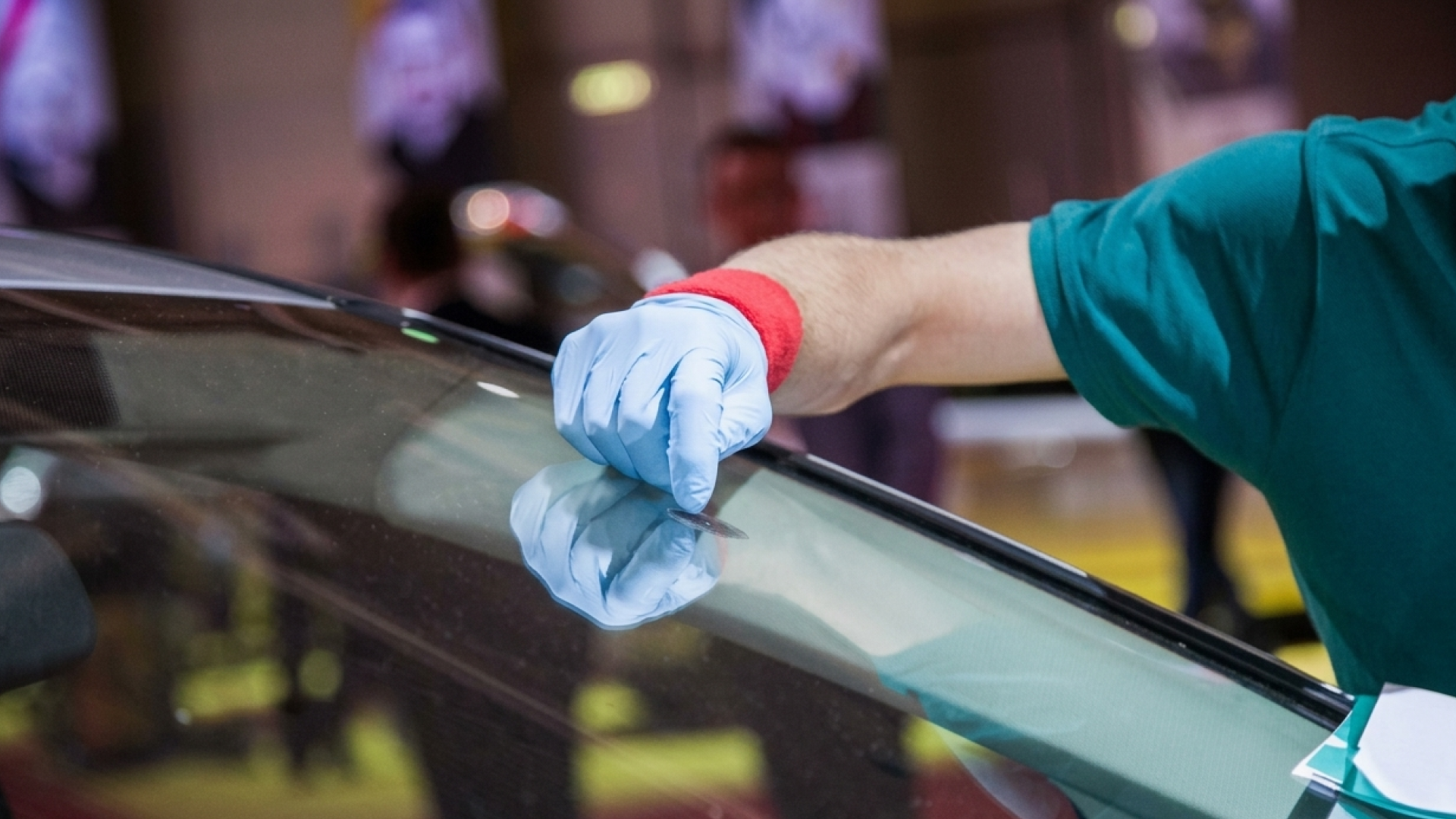
Introduction
Buying your first vehicle is exciting. You learn how to check the oil, monitor tire pressure, schedule maintenance, and keep the interior clean. One part of the vehicle that often gets overlooked, though, is the auto glass.
Your windshield and other vehicle glass do much more than keep rain, wind, dust, and road debris outside the cabin. The windshield contributes to visibility, supports the vehicle's overall safety structure, and may contain or work alongside cameras and sensors used by advanced driver assistance systems (ADAS).
For a new vehicle owner, knowing how to recognize glass damage, when a chip can be repaired, when replacement may be necessary, and why calibration can matter after replacement can prevent a small problem from becoming a bigger one.
Rock Doc Auto Glass is a family-owned auto glass company serving customers across Utah with windshield repair and replacement, rock chip and crack repair, ADAS and lane-departure camera calibration, RV and motorhome glass services, and ExoShield windshield protection. Service is available through mobile appointments as well as in-shop visits.
This guide covers the fundamentals every first-time vehicle owner should understand about auto glass care, regardless of the vehicle's make, model, or age.
Why Auto Glass Matters More Than You Might Think
The windshield is part of your vehicle's safety system
A windshield is not simply a piece of glass installed in front of the driver. It is engineered for the specific vehicle and works with other components of the vehicle's safety design.
A properly installed windshield helps provide structural support and maintains the intended separation between the occupants and outside conditions. It also provides the driver's primary forward view.
That means even relatively small damage deserves attention.
Clear visibility is a safety issue
A tiny rock chip may not seem serious when you're looking at it in your driveway. Sunlight, headlights, rain, and changing road conditions can make glass damage much more noticeable while driving.
Cracks can also interfere with the driver's field of vision, especially if they spread across an area directly in front of the driver.
Keeping the windshield clean and addressing damage promptly are two simple ways to protect visibility.
Modern windshields can contain technology
Many newer vehicles have cameras or sensors positioned near the windshield. These systems may support features such as lane departure warnings, lane keeping assistance, automatic emergency braking, adaptive cruise control, or other driver-assistance functions.
If a windshield containing these components is replaced, the vehicle may require ADAS or camera calibration according to the vehicle manufacturer's procedures.
How Windshield Damage Happens
Common causes of auto glass damage
Rock and road debris are among the most familiar causes of windshield damage, particularly on highways and roads where vehicles travel close together.
Other sources of damage include:
Temperature changes
Severe weather
Falling objects
Construction debris
Improper installation
Vehicle vibration
Accidents or collisions
Stress around an existing chip or crack
Damage does not always happen dramatically. A small impact can leave a barely noticeable chip that gradually becomes a longer crack.
Why temperature can make existing damage worse
Glass expands and contracts as its temperature changes. A windshield that has already been weakened by an impact may be more vulnerable to additional stress.
For example, a vehicle sitting in strong sunlight can have significantly warmer glass than it did earlier in the day. Turning on a very cold or very hot defroster does not automatically mean a crack will spread, but rapid temperature changes can place additional stress on already damaged glass.
The practical lesson is simple: don't ignore a small chip simply because it looks stable.
What Should You Do After a Rock Hits Your Windshield?
Inspect the damage as soon as it is safe
If you hear a rock strike your windshield while driving, don't try to inspect it while the vehicle is moving. Pull over somewhere safe when conditions allow and examine the glass.
Look for:
A small circular chip
A star-shaped impact
A bullseye-style chip
Short cracks extending from an impact point
A crack that is beginning to travel across the windshield
Even if the damage looks minor, having it assessed promptly can help determine whether repair is appropriate.
Don't delay unnecessarily
A chip can collect dirt and moisture as you continue driving. Road vibration, temperature changes, and additional impacts may also affect existing damage.
Not every chip can be repaired, and repair suitability depends on factors such as the size, location, type, and condition of the damage, along with the vehicle's windshield design.
The earlier the damage is evaluated, the more options may be available.
Windshield Repair vs. Windshield Replacement
When windshield repair may be possible
Windshield repair is generally intended for certain types of limited damage rather than extensive windshield deterioration.
A technician may evaluate factors such as:
The size and type of the damage
Its location on the windshield
Whether the damage has spread
Whether the glass has been contaminated
Whether the damage affects the driver's primary viewing area
The condition of the surrounding glass
A repair typically involves treating the damaged area rather than removing the entire windshield.
When replacement may be necessary
A windshield replacement may be considered when damage is too extensive or is located where repair is not appropriate.
Replacement can become relevant when there is:
A large or spreading crack
Significant damage across multiple areas
Damage affecting an important viewing area
Damage near the edge of the windshield
Glass that has been compromised beyond practical repair
The correct decision should be based on an inspection rather than simply the appearance of the damage.
Why trying to decide from a photo can be difficult
A photograph can provide useful initial information, but it does not always show the depth, location, or condition of the glass accurately.
A professional assessment can identify details that may not be obvious to a vehicle owner. That is especially useful when the damage is close to cameras, sensors, the windshield edge, or the driver's line of sight.
How to Take Care of Your Windshield Every Day
Keep the glass clean
Dirt, road film, fingerprints, and residue can reduce visibility. Clean both the outside and inside of the windshield regularly.
Use an appropriate automotive glass cleaner and a clean microfiber cloth. Avoid cleaning in direct sunlight when possible because cleaning products can dry quickly and leave streaks.
Check your windshield during routine vehicle maintenance
You don't need a separate appointment every time you inspect your windshield. Make it part of your normal vehicle-care routine.
When washing the vehicle or checking tire pressure, take a few seconds to look for:
New chips
Small cracks
Edge damage
Scratches
Cloudiness or distortion
Problems with windshield-mounted cameras or sensors
Catching a small problem early is usually easier than discovering it after the damage has spread.
Maintain your windshield wipers
Wiper blades directly contact the windshield. Worn or damaged blades can leave streaks and reduce visibility, particularly during rain or snow.
If a wiper blade is cracked, hardened, torn, or leaving large areas uncleared, replace it rather than continuing to use it.
Also check for trapped debris. Small particles between the blade and glass can contribute to scratching.
Understanding ADAS and Windshield Replacement
What is ADAS?
ADAS stands for Advanced Driver Assistance Systems. These technologies use cameras, radar, sensors, or other systems to provide features designed to assist the driver.
Depending on the vehicle, ADAS features may include lane departure warnings, lane keeping assistance, forward collision warnings, automatic emergency braking, and adaptive cruise control.
The exact equipment and calibration requirements vary by vehicle.
Why windshield replacement can affect camera systems
Some vehicles position a forward-facing camera behind the windshield, often near the rearview mirror.
Replacing the windshield can change the relationship between the camera and the vehicle. Because these systems are designed around precise positioning, calibration may be required after windshield replacement.
That is why first-time vehicle owners should not treat ADAS calibration as an optional technical detail without first checking the vehicle's requirements.
What should you ask after a windshield replacement?
If your vehicle has windshield-mounted cameras or driver-assistance features, ask the auto glass provider whether your vehicle requires calibration after replacement.
You can also consult the vehicle manufacturer's documentation for information about the system and its service requirements.
Auto Glass Care for RVs and Motorhomes
Larger vehicles have different glass considerations
RV and motorhome windshields can be considerably larger than passenger-vehicle windshields. Their size, shape, installation requirements, and accessibility can make replacement a specialized job.
A first-time RV owner should inspect the windshield periodically for chips, cracks, seal issues, or visible damage.
Don't ignore windshield problems on an RV
A crack that appears minor on a large windshield can become more disruptive as it spreads.
If you notice damage, have it evaluated by a provider experienced with RV and motorhome glass rather than assuming passenger-car glass procedures will always apply.
Protecting Your Windshield From Future Damage
Consider windshield protection products
Some vehicle owners choose protective products designed to help shield windshield glass from road debris.
ExoShield is one example of a windshield protection product available through Rock Doc Auto Glass. Products in this category are intended to provide an additional layer of protection for the glass.
Before choosing any protective product, understand what it is designed to do, how it is installed, and what maintenance it requires.
Protection doesn't replace regular inspections
Even with protective measures, you should continue checking the windshield for chips, cracks, scratches, and visibility problems.
Protection is part of an overall maintenance approach, not a substitute for addressing actual damage.
Auto Glass and Insurance
Check your coverage before paying out of pocket
Depending on your insurance policy, windshield repair or replacement may be covered under applicable glass or comprehensive coverage.
Coverage varies by insurer, policy, deductible, state requirements, and the circumstances surrounding the damage.
Before authorizing work, ask your insurance company what your policy covers and whether a deductible applies.
Insurance assistance can make the process easier
Many auto glass providers can assist customers with the insurance-claim process or provide information needed to submit a claim.
That does not mean every claim will be covered. Your insurance company ultimately determines coverage according to your policy.
For a first-time vehicle owner, understanding the difference between "the provider can assist with the claim" and "the insurer guarantees payment" is useful.
Mobile Auto Glass Service vs. In-Shop Service
Mobile service
Mobile auto glass service allows a technician to perform eligible work at a customer's location.
This can be particularly convenient when a vehicle has windshield damage and the owner does not want to drive it to a shop.
Depending on the service and vehicle, mobile appointments may be available at a home, workplace, or another suitable location.
In-shop service
An in-shop appointment provides a controlled location for auto glass work and may be preferable for certain vehicles, services, or weather conditions.
The appropriate option depends on the type of work required, the vehicle, and the provider's recommendations.
For first-time owners, the main question is not simply "mobile or shop?" but "which setting is appropriate for the specific glass service my vehicle needs?"
Common Auto Glass Care Mistakes First-Time Owners Make
Waiting until a small chip becomes a crack: A chip may look harmless, but ignoring it can leave you dealing with more extensive damage later. Have new damage assessed instead of assuming it will remain unchanged.
Using household cleaning products incorrectly: Some household cleaning products may not be suitable for automotive glass, interior surfaces, tint, or protective films. Use products intended for automotive applications and follow the product instructions.
Ignoring windshield-mounted cameras: If your vehicle has ADAS cameras near the windshield, don't assume every windshield replacement is complete simply because the new glass is installed. Ask whether calibration is required for your specific vehicle.
Trying to repair serious damage yourself: DIY windshield repair products exist, but they are not appropriate for every type of damage. If the windshield has a significant crack, damage near the edge, or damage affecting an important viewing area, professional evaluation is the safer starting point.
A Simple Auto Glass Maintenance Routine
Monthly windshield check: Once a month, spend a few minutes inspecting the windshield from inside and outside. Look for new chips, cracks, scratches, distortion, and anything that affects visibility.
Seasonal inspection: Before periods of severe weather, inspect your wipers and windshield. Make sure the glass is clean and the washer-fluid system is working properly.
After highway driving: If you've spent significant time driving behind trucks or through construction zones, check for fresh rock chips. A new impact can be surprisingly easy to overlook.
After an accident: Any collision that affects the front of the vehicle should prompt an inspection of the windshield and surrounding components, even if the glass doesn't appear badly damaged.
What First-Time Vehicle Owners Should Remember
Five practical rules
If you remember only a few things about auto glass care, make them these:
Inspect your windshield regularly. Small problems are easier to identify when you know what normal glass looks like.
Address rock chips promptly. Don't wait for a small impact to become a long crack.
Keep your glass and wipers clean. Visibility is part of safe driving.
Ask about ADAS calibration after windshield replacement. Vehicle-specific requirements matter.
Use qualified professionals for significant damage. Windshield work involves more than simply installing a piece of glass.
Good auto glass care doesn't require complicated maintenance. It mainly requires awareness and timely action.
Conclusion
For a first-time vehicle owner, auto glass care can easily fall behind oil changes, tire rotations, and other familiar maintenance tasks. Yet your windshield plays an important role in visibility and, on many newer vehicles, interacts with driver-assistance technology.
The best habit is to pay attention to small changes. Check the glass regularly, keep your wipers and windshield clean, and have chips or cracks evaluated rather than assuming they will stay the same.
If replacement becomes necessary, ask about vehicle-specific installation requirements and ADAS calibration when applicable. For larger vehicles such as RVs and motorhomes, choose a provider familiar with the unique requirements of that type of glass.
With a little routine attention, first-time vehicle owners can avoid many common auto glass problems and make better decisions when damage occurs.
Frequently Asked Questions
How much does windshield replacement cost?
Windshield replacement pricing varies based on the vehicle, windshield type, installation requirements, sensors or cameras, and other factors. Insurance coverage may also affect your out-of-pocket cost. Request a vehicle-specific estimate before scheduling service.
Can a small windshield chip or crack be repaired instead of replacing the windshield?
Sometimes. Repair suitability depends on the damage's size, type, location, condition, and other factors. A professional inspection can determine whether repair is appropriate or whether replacement is necessary.
How long does a windshield replacement or repair take?
The time varies according to the vehicle and the type of service. Windshield replacement can also involve additional procedures, such as ADAS calibration, that affect the total appointment time. Ask the technician for an estimate for your specific vehicle.
Do you offer mobile windshield repair and replacement at my location?
Many auto glass providers offer mobile service for eligible repairs and replacements. Mobile service can allow a technician to work at a customer's home, workplace, or another suitable location, depending on the vehicle and service requirements.
Do you work with auto insurance companies for windshield claims?
Auto glass providers may be able to assist with insurance claims or provide information needed for filing. Coverage depends on your individual policy, insurer, deductible, and the circumstances of the damage, so confirm your benefits with your insurance company.
Does windshield replacement require ADAS or camera calibration?
Some vehicles require ADAS or camera calibration after windshield replacement, particularly when a forward-facing camera is mounted near the windshield. Requirements vary by vehicle, so ask about calibration before or during the replacement process.
Do you provide windshield replacement for RVs, motorhomes, and larger vehicles?
Specialized auto glass providers may service RVs, motorhomes, and other larger vehicles. These windshields can have different size, installation, and handling requirements than passenger vehicles, so experience with the vehicle type matters.
What should I do if my windshield is damaged by a rock while driving?
Wait until you can safely pull over, then inspect the damage. If you find a chip or crack, arrange for professional evaluation as soon as practical. Avoid putting off assessment because additional impacts, vibration, and environmental conditions can affect existing damage.
How soon can I drive my vehicle after a windshield replacement?
The required safe-drive-away time depends on the adhesive, vehicle, environmental conditions, and manufacturer's or adhesive manufacturer's requirements. Your auto glass technician should tell you exactly how long to wait before driving the vehicle.
Do you offer a warranty on windshield repairs and replacements?
Warranty terms vary by provider and service. Before approving the work, ask what the warranty covers, how long it lasts, and whether there are exclusions or conditions. A written warranty gives you a clearer understanding of the coverage.
