
Introduction
A clean, intact windshield is easy to take for granted until a rock hits it, a crack spreads across the glass, or glare makes it difficult to see the road. Your vehicle's glass is more than a barrier against wind and weather. The windshield contributes to visibility, helps protect occupants, and works as part of the vehicle's overall safety system.
Auto glass can also change with the seasons. Summer heat can put stress on existing chips and cracks, winter temperatures can make damaged glass more vulnerable, and changing weather conditions can expose visibility problems that were easy to overlook.
That is why checking your windshield and other vehicle glass throughout the year is a smart part of routine vehicle care.
This auto glass safety checklist explains what drivers should inspect, when to repair windshield damage, how weather affects auto glass, why ADAS calibration matters, and what to do after a rock chip or windshield crack occurs.
Why Auto Glass Safety Matters
Your windshield provides the forward view you depend on every time you drive. Even a small area of damage can become distracting when sunlight, headlights, rain, or snow hits the glass at the wrong angle.
The windshield also works with other vehicle safety components. Many newer vehicles have cameras and sensors mounted near or behind the windshield for features such as lane-departure warnings and other driver-assistance functions.
A windshield that looks acceptable from the driver's seat can still have damage that deserves professional attention.
What Makes a Windshield a Safety Component?
A windshield serves several important purposes:
Provides clear visibility of the road
Helps shield occupants from wind, rain, snow, and road debris
Contributes to the vehicle's structural design
Works with certain airbag systems
May house or support cameras used by advanced driver assistance systems
Helps maintain a controlled cabin environment
Because of these functions, windshield damage should not be treated simply as a cosmetic problem.
What About Side and Rear Glass?
The windshield gets most of the attention, but the rest of the vehicle's glass deserves regular inspection too.
Check side windows and rear glass for:
Cracks or chips
Scratches that interfere with visibility
Loose or damaged seals
Signs of water entering the cabin
Glass that does not operate correctly
Damage around the edges of the glass
Any damage that affects visibility, creates a sharp hazard, or appears to be spreading should be assessed by an auto glass professional.
Your Year-Round Auto Glass Safety Checklist
A simple inspection every few months can help you catch problems before they become more complicated.
You do not need special equipment for a basic visual check. Park somewhere safe with good lighting, clean the glass, and inspect it from both inside and outside the vehicle.
1. Inspect the Windshield for Chips and Cracks
Look closely at the entire windshield rather than checking only the area directly in front of the driver.
Small rock chips can be easy to miss, particularly when they are near the edges of the glass. Look for circular impact marks, star-shaped breaks, short cracks, and lines extending from an existing chip.
Pay particular attention to damage that is growing or located in an area that affects your view of the road.
2. Check for Distorted or Hazy Areas
Not every windshield problem appears as a traditional crack.
Look for areas where the glass appears distorted, unusually hazy, heavily scratched, or difficult to see through. Visibility problems can become much more noticeable at night or when the sun is low.
If cleaning the glass does not solve the problem, professional inspection may be appropriate.
3. Clean the Inside and Outside of the Glass
A dirty windshield can create glare and reduce visibility, especially when sunlight or oncoming headlights hit the glass.
Clean both sides of the windshield regularly. Do not forget the inside surface, where fingerprints, dashboard residue, dust, and cleaning-product buildup can create a hazy film.
Use a glass-safe cleaner and a clean microfiber cloth to reduce streaking.
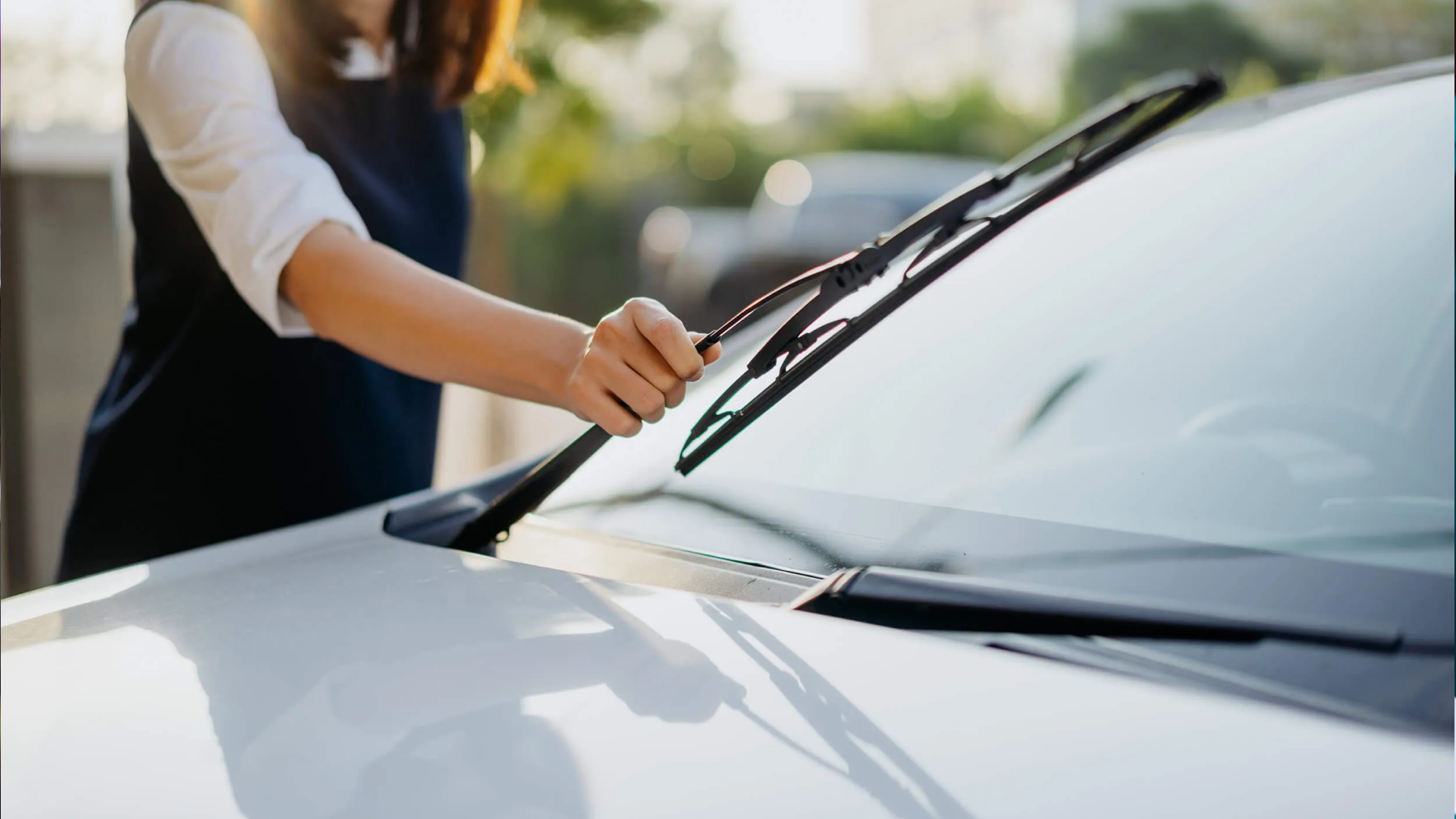
4. Inspect Windshield Wipers
Worn wiper blades can make a good windshield look bad.
Damaged or hardened blades may leave streaks, skip across the glass, or clear water ineffectively. They can also contribute to additional surface wear over time.
Replace worn wipers when they no longer clean the windshield properly.
5. Check the Windshield Washer System
Make sure the washer fluid reservoir has an appropriate supply and that the spray nozzles are functioning correctly.
If fluid is not reaching the windshield, check for blocked nozzles or another issue with the washer system.
A clean windshield is only useful if you can keep it clean while driving.
Seasonal Auto Glass Safety Checks
Different seasons can create different challenges for vehicle glass. A seasonal inspection does not need to be complicated, but it should account for the conditions your vehicle is likely to encounter.
Spring Auto Glass Checklist
Spring is a good time to inspect your windshield after winter driving.
Check for:
New rock chips
Cracks that developed during temperature changes
Scratches or wiper-related damage
Damaged windshield seals
Water leaks around the glass
Reduced visibility from road grime
Spring also brings rain in many areas, making clear windshield visibility especially important.
If a chip appeared during winter but has not caused a noticeable problem, do not assume it will remain unchanged. Have it evaluated before it develops into a larger crack.
Summer Auto Glass Checklist
Summer heat can be tough on already damaged windshield glass.
If your windshield has a chip or crack, rapid changes between hot outdoor temperatures and a heavily cooled vehicle interior can place additional stress on the damaged area.
During summer, inspect the windshield before long road trips and after driving on roads where loose rocks or construction debris may be present.
Also check the glass for glare. A windshield that seems fine during a cloudy morning may become difficult to see through when strong sunlight hits scratches, residue, or surface imperfections.
Fall Auto Glass Checklist
Fall is an excellent time to prepare your vehicle for changing weather and darker driving conditions.
Inspect:
Windshield chips and cracks
Wiper blade condition
Washer fluid
Side mirrors and windows
Rear glass visibility
Windshield camera area, if equipped
Shorter daylight hours mean more driving during dawn, dusk, and nighttime conditions. Headlights from other vehicles can expose visibility problems that were less noticeable during daytime driving.
Winter Auto Glass Checklist
Cold temperatures can make existing windshield damage more concerning.
Never assume that a damaged windshield is safe simply because the crack has stopped growing. Cold weather, temperature changes, and vehicle use can affect damaged glass.
When clearing ice or frost, avoid using aggressive tools that can scratch the glass. Never pour very hot water onto an icy windshield because sudden temperature changes can create unnecessary stress.
Use the vehicle's defroster and appropriate ice-removal methods instead.
What Should You Do If a Rock Hits Your Windshield?
A rock impact can happen in seconds. The safest response is to avoid making the situation worse and arrange an inspection when practical.
If a rock hits your windshield while you are driving:
Stay calm and maintain control of the vehicle.
Pull over somewhere safe when conditions allow.
Inspect the windshield without putting yourself in danger.
Look for a chip, crack, or impact point.
Avoid pressing on damaged glass.
Take a photo of the damage if useful for an insurance claim.
Arrange professional windshield replacement repair or inspection as soon as practical.
Can a Small Rock Chip Be Repaired?
Often, a windshield windshield-chip-and-crack-repair can be done instead of replacing the entire windshield, depending on factors such as the damage's size, location, type, and condition.
The sooner damage is professionally evaluated, the more options may be available.
A chip that looks tiny from inside the vehicle can have additional damage around the impact point that is easier to see from outside.
Why You Should Not Ignore a Windshield Crack
A crack can spread over time, particularly when the glass experiences temperature changes, vibration, or additional impacts.
A spreading crack can eventually affect a larger portion of the windshield and may change the repair options available.
Do not wait for a small crack to become a major visibility problem before seeking professional advice.
ADAS and Windshield Safety
Modern vehicles increasingly use advanced driver assistance systems, often referred to as ADAS.
Depending on the vehicle, a forward-facing camera or other sensor may be positioned near the windshield. These systems can support features such as lane-departure warnings and other driver-assistance functions.
When a windshield is replaced, the position and optical relationship between the glass and camera may matter.
When Is ADAS Calibration Needed?
ADAS calibration requirements depend on the vehicle, its equipment, and the manufacturer's procedures.
If a vehicle has a camera or sensor mounted around the windshield area, ask the auto glass provider whether calibration or another post-replacement procedure is required for that specific vehicle.
Calibration should follow applicable vehicle manufacturer procedures and equipment requirements.
Why Camera Calibration Should Not Be Overlooked
A windshield replacement is not necessarily finished simply because the new glass is installed.
If the vehicle uses windshield-mounted cameras, proper calibration can be part of returning the system to its intended operating condition.
Drivers should consult the vehicle manufacturer or a qualified professional when they are unsure what procedures are required after windshield replacement.
Auto Glass Safety During Long Road Trips
Before a road trip, spend a few minutes checking the vehicle's glass.
Start with the driver's view. Look for chips, cracks, streaks, scratches, or anything that could become distracting during hours of driving.
Then check the wipers and washer system. Fill the washer reservoir if needed and make sure the blades clear the windshield without leaving large streaks.
A quick pre-trip inspection can also help you identify windshield damage before you are hundreds of miles from home.
Road Trip Auto Glass Checklist
Before leaving, check:
Windshield condition
Rock chips and cracks
Wiper blades
Washer fluid
Windshield cleanliness
Side windows
Rear glass
Mirrors
ADAS camera area, if applicable
If you notice significant windshield damage before a trip, consider getting it evaluated rather than assuming it will remain unchanged throughout the drive.
Mobile vs. In-Shop Auto Glass Service
Drivers may have different needs when they need windshield repair or replacement.
Mobile auto glass service can be useful when the vehicle is safely accessible at a home, workplace, parking location, or another appropriate location. It can reduce the need to drive a vehicle with damaged glass to a shop.
An in-shop appointment may be preferable when the vehicle requires a controlled workspace, specialized procedures, or additional inspection.
The appropriate option depends on the type of service, vehicle, damage, location, and provider's capabilities.
When Mobile Service Can Be Convenient
Mobile service may be helpful when:
Your vehicle is parked at home
You are at work
The vehicle is safely accessible
Driving to a shop is inconvenient
A windshield repair or replacement can be performed at the location
The service provider should determine whether the location is suitable for the required work.
Insurance and Windshield Damage
Insurance coverage for auto glass varies by policy, state, deductible, and circumstances surrounding the damage.
Some drivers may have coverage that applies to windshield repair or replacement, while others may have different deductibles or limitations.
Before scheduling expensive work, review your policy or contact your insurance provider to understand your coverage.
An auto glass company that assists with insurance claims can also help explain the information needed to begin the process.
Windshield Protection and Preventive Care
Preventive care can help drivers protect their windshield from common environmental and road-related conditions.
exoshield windshield protection is one option designed to provide an additional protective layer over windshield glass. Drivers considering a windshield protection product should understand what it is designed to do, how it is installed, and what maintenance it requires.
Protection products should complement—not replace—regular windshield inspections and timely repair of existing damage.
What Drivers Should Never Do With Damaged Auto Glass
Avoid these common mistakes:
Ignoring a crack because it appears stable
Pressing or picking at a chip
Pouring hot water onto icy glass
Using damaged wipers for long periods
Attempting an unsuitable DIY windshield repair
Driving unnecessarily with severely compromised visibility
Assuming every windshield replacement automatically includes ADAS calibration
If you are uncertain about the condition of your auto glass, professional evaluation is safer than guessing.
A Simple Monthly Auto Glass Routine
You do not need to spend a lot of time maintaining your vehicle's glass.
Once a month, take a few minutes to inspect the windshield and other windows. Clean the glass, test the washer system, check the wipers, and look closely for new chips or cracks.
After highway driving, construction-zone travel, gravel-road driving, or a noticeable rock impact, perform an additional inspection.
This simple routine can help you identify problems before they interfere with visibility or become more difficult to address.
When Should You Have Auto Glass Professionally Inspected?
Professional inspection makes sense when you notice a new chip, spreading crack, significant scratch, visibility problem, damaged glass edge, or an issue following windshield replacement.
You should also ask about professional inspection when a vehicle has windshield-mounted ADAS cameras and the windshield has been replaced.
The right repair depends on the damage and the vehicle. A qualified auto glass technician can determine whether repair, replacement, calibration, or another service is appropriate.
Conclusion
Auto glass safety is not something drivers need to think about only after a windshield breaks. A few minutes of routine inspection throughout the year can help you catch chips, cracks, visibility problems, worn wipers, and other issues before they become bigger concerns.
Check your windshield in every season, keep the glass clean, maintain your wipers and washer system, and pay attention to damage after rock impacts or long-distance driving. If your vehicle has windshield-mounted ADAS technology, make sure any required calibration procedures are addressed after glass replacement.
Rock Doc Auto Glass provides windshield repair and replacement, rock chip and crack repair, ADAS and lane-departure camera calibration, RV and motorhome glass services, and ExoShield windshield protection. Customers can choose mobile service at an appropriate location or an in-shop appointment, depending on their needs.
The basic rule is simple: if auto glass damage affects your visibility or you are unsure whether it is safe, have it professionally evaluated rather than waiting for the problem to grow.
Frequently Asked Questions
How much does windshield replacement cost?
Windshield replacement costs vary based on the vehicle, windshield type, technology incorporated into the glass, labor requirements, and location. Insurance coverage may also affect what you pay. Requesting a vehicle-specific estimate is the best way to determine the actual cost.
Can a small windshield chip or crack be repaired instead of replacing the windshield?
A small chip or certain cracks may be repairable, depending on their size, location, type, and condition. A professional inspection can determine whether repair is appropriate or whether windshield replacement is necessary.
How long does a windshield replacement or repair take?
Service time depends on the vehicle, type of glass, damage, installation requirements, and any required ADAS calibration. Your auto glass provider can give you a more accurate time estimate after reviewing the vehicle and service needed.
Do you offer mobile windshield repair and replacement at my location?
Mobile auto glass service may be available when the vehicle is safely accessible at an appropriate location. Mobile repair or replacement can be convenient for drivers who cannot easily take their vehicle to a shop. Availability depends on the service and location.
Do you work with auto insurance companies for windshield claims?
Many auto glass providers can assist customers with insurance-related paperwork or claims, but coverage varies by policy and insurer. Contact your insurance company or your auto glass provider to understand the process and any applicable deductible.
Does windshield replacement require ADAS or camera calibration?
It can, depending on the vehicle and its driver-assistance technology. Some vehicles have cameras positioned around the windshield that may require calibration after replacement. The specific requirements should be confirmed based on the vehicle manufacturer's procedures.
Do you provide windshield replacement for RVs, motorhomes, and larger vehicles?
Specialized auto glass providers may offer glass services for RVs and motorhomes. Because larger vehicles can use different glass sizes and installation procedures, confirm that the provider has experience with your specific motorhome and rv glass and windshields before scheduling service.
What should I do if my windshield is damaged by a rock while driving?
Stay calm, maintain control, and pull over somewhere safe when possible. Inspect the glass for a chip or crack, avoid touching the damaged area, and arrange professional evaluation. Prompt attention may help prevent minor damage from becoming more extensive.
How soon can I drive my vehicle after a windshield replacement?
The required waiting period depends on the adhesive and installation process used for the specific vehicle and service. Follow the technician's instructions regarding when the vehicle can safely be driven after replacement.
Do you offer a warranty on windshield repairs and replacements?
Warranty coverage depends on the service provider and the specific repair or replacement. Before service, ask what the warranty covers, how long it applies, and whether there are exclusions or conditions.
