Introduction
Recreational vehicles and motorhomes are designed for long journeys, memorable adventures, and the freedom to explore the open road. However, the very nature of RV travel exposes these vehicles to conditions that drastically increase the risk of windshield damage. Long highway drives, changing weather conditions, and constant exposure to road debris can all contribute to sudden chips, spreading cracks, and structural glass issues.
While windshield damage is a common concern for any motorist, RV windshields present unique challenges that standard automotive shops simply aren't equipped to handle. Their massive size, specialized design, and usage patterns differ significantly from those of standard passenger vehicles. Understanding why motorhome glass requires specialized expertise can help you make informed decisions when caring for your home-on-wheels.
RV Windshields Are Different From Standard Vehicle Glass
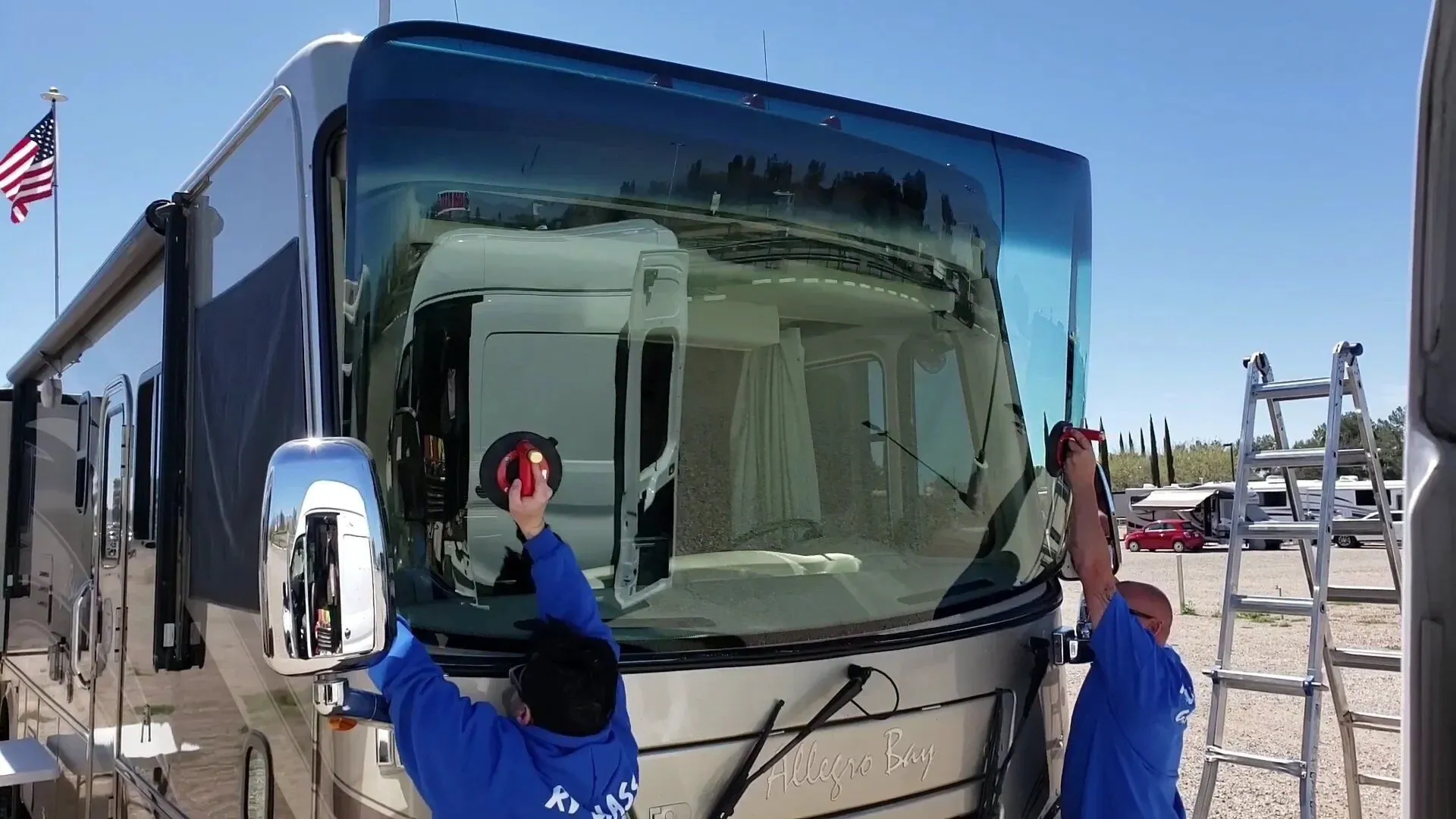
The primary reason motorhome glass service requires specialized expertise is the sheer size and engineering of the glass itself. Compared to passenger cars, motorhomes feature expansive, heavy glass panes designed to provide maximum visibility for drivers navigating tight campgrounds and sweeping highways.
These oversized windshields are critical for maintaining driving confidence, but their scale introduces specific vulnerabilities:
Structural Integration: In many motorhomes, the windshield contributes significantly to the structural integrity of the front cap.
Stress Distribution: Due to the large surface area, minor damage can quickly escalate into a massive crack under the pressure of highway winds.
Complex Curvature: Many Class A and Class C motorhomes utilize custom-curved glass that requires highly precise installation techniques to prevent leaks and stress fractures.
Because of these complexities, a professional evaluation is vital whenever damage occurs. Experienced technicians can accurately assess the glass to determine whether a simple fix will suffice or if a complete installation is necessary. For specialized care, Rock Doc Auto Glass provides dedicated motorhome and RV glass and windshields services tailored to these massive vehicles.
Long-Distance Travel Increases Exposure to Damage
Most RV owners spend hours cruising on interstates, highways, and rugged secondary roads. These environments frequently expose windshields to loose gravel, semi-truck tire debris, and unpredictable hazards.
Unlike commuter cars that spend most of their time on predictable local roads, an RV's extended time on the highway compounds its risk of glass damage. The increased velocity of highway travel means even a tiny pebble can strike with enough force to cause significant structural compromise.
Pro Tip: Failing to address minor impacts immediately can turn a quick, affordable repair into an expensive, trip-ruining replacement.
Windshield Damage Can Progress Rapidly During Travel
One of the most frustrating aspects of RV ownership is that glass damage almost always happens when you are far from home. What starts as a minor chip during a morning drive can easily evolve into a spiderweb crack by sunset.
Several unique factors accelerate glass damage during an RV trip:
Road Vibrations: The heavy chassis of a motorhome generates intense, continuous vibrations that strain weakened glass.
Temperature Fluctuations: Moving through different climates—such as driving from a chilly mountain pass into a hot valley—causes the glass to expand and contract, forcing cracks to spread.
Twisting Chasis Stress: Navigating uneven terrain, steep driveways, or leveling your RV at a campsite can flex the vehicle's frame, putting immense pressure on a compromised windshield.
Learning to spot the common signs your windshield damage needs professional attention early on can save your itinerary. Seeking a professional assessment as soon as a rock strikes helps ensure your vehicle remains safe for the remainder of your journey.
Specialized Knowledge Helps Ensure Proper Solutions
Not every rock chip requires a complete glass tear-out. In many instances, a precise professional intervention can restore the structural integrity of your glass. However, deciding between a quick fix and a total replacement requires a deep understanding of glass composition, damage depth, and impact location.
Repair vs. Replacement: What Experts Evaluate
The Size of the Damage: Chips smaller than a quarter can often be filled, while long cracks usually demand full replacement.
Location: Damage directly in the driver’s line of sight or along the outer perimeter of the glass often requires replacement to preserve visibility and safety.
Depth: Deep pits that penetrate the inner vinyl safety layer cannot be safely repaired.
Utilizing a comprehensive guide to windshield chip repair for safer driving can help you understand the mechanics behind modern glass restoration. Choosing a provider like Rock Doc Auto Glass ensures you receive balanced recommendations for both windshield replacement and repair options based entirely on your specific vehicle safety needs.
Visibility and Advanced Safety Systems (ADAS) in Modern RVs
Safe operation of a large vehicle depends heavily on crystal-clear visibility. Because motorhomes have larger blind spots and require longer stopping distances, a driver needs an unobstructed view of the road ahead. A cracked windshield can cause distracting glare, reflect sunlight into the driver's eyes, and compromise night vision.
Furthermore, modern RVs are increasingly equipped with Advanced Driver Assistance Systems (ADAS). These systems rely on cameras and sensors mounted directly behind the windshield to operate features like lane-departure warnings, adaptive cruise control, and collision avoidance.
[Windshield Replacement] ──> [Disrupted Camera Alignment] ──> [Required ADAS Calibration]
When an RV windshield is replaced, these safety cameras are moved even a fraction of a millimeter out of alignment. To restore factory safety standards, specialized technicians must perform precise ADAS and lane departure calibration.
Understanding why modern vehicles require ADAS recalibration after auto glass service is crucial for any motorhome owner. Skipping this step could lead to system failures or incorrect safety alerts on the road.
Protecting RV Windshields From Future Damage
While you can't completely control the road conditions, you can take proactive steps to safeguard your investment:
Increase Following Distance: Stay well behind large semi-trucks, dump trucks, and construction vehicles that kick up loose gravel.
Pre-Trip Inspections: Check your glass thoroughly before hitting the road to catch small pits before they expand.
Invest in Protective Films: Applying an impact-resistant exterior protective film can absorb the brunt of road debris.
For long-haul travelers, applying advanced ExoShield windshield protection acts as an invisible armor for your motorhome’s glass, drastically reducing the likelihood of pitting and stone chips. Acting quickly with a windshield chip and crack repair service when damage does occur prevents structural failure down the line.
Choosing a Provider Experienced in RV Windshield Services
Because recreational vehicles present highly specific spatial and technical challenges, you shouldn't trust your motorhome to just any local auto glass shop. It takes specialized equipment, heavy-duty staging, and specific technical training to handle large-scale glass installations safely.
When selecting a service provider, ensure they offer a complete suite of solutions, including:
Skilled mobile repair technicians who understand large-vehicle dynamics.
Direct experience with specialized motorhome molding and adhesives.
Certified equipment to handle lane departure system calibration after glass replacement.
To learn more about finding certified professionals who specialize in heavy-duty automotive glass, visit the Rock Doc Auto Glass about us page to review their qualifications.
Frequently Asked Questions (FAQs)
Can an RV windshield be repaired, or does it always need to be replaced?
Many minor rock chips and small cracks can be successfully repaired if they are smaller than a dollar bill and are not directly in the driver’s line of sight. However, due to the massive stress placed on motorhome glass, it is vital to have an expert evaluate the structural integrity early. Knowing why fast windshield crack repair can save you money highlights how acting early keeps minor damage from turning into an expensive replacement.
Why is ADAS calibration necessary after an RV windshield replacement?
Advanced Driver Assistance Systems (ADAS) rely on cameras mounted directly to your windshield to track lane markers and road hazards. For a complete breakdown of how this tech works, read what drivers should know about ADAS calibration after windshield replacement. If your glass is replaced without recalibrating these sensors, features like automated emergency braking or lane-keep assist may fail to function correctly.
How does ExoShield help protect my motorhome's windshield?
ExoShield is a premium, thin, and optically clear protective film applied directly to the exterior of your windshield. It is engineered to absorb the high-velocity impacts of rocks and road debris, greatly reducing the risk of chips and cracks while preserving your glass over thousands of travel miles.
Conclusion
RV windshields differ fundamentally from standard automotive glass. Their sheer size, constant exposure to demanding long-distance road conditions, and integration with advanced safety systems mean they require specialized attention. Promptly addressing minor chips prevents extensive damage and ensures you can navigate your journeys with optimal visibility.
Whether your motorhome requires a swift cosmetic repair or a complete glass overhaul with system recalibration, working with certified professionals ensures your vehicle gets the expert care it deserves. Ready to secure your view for the road ahead? Contact Rock Doc Auto Glass today to schedule a professional evaluation and prepare your vehicle for your next great adventure.