
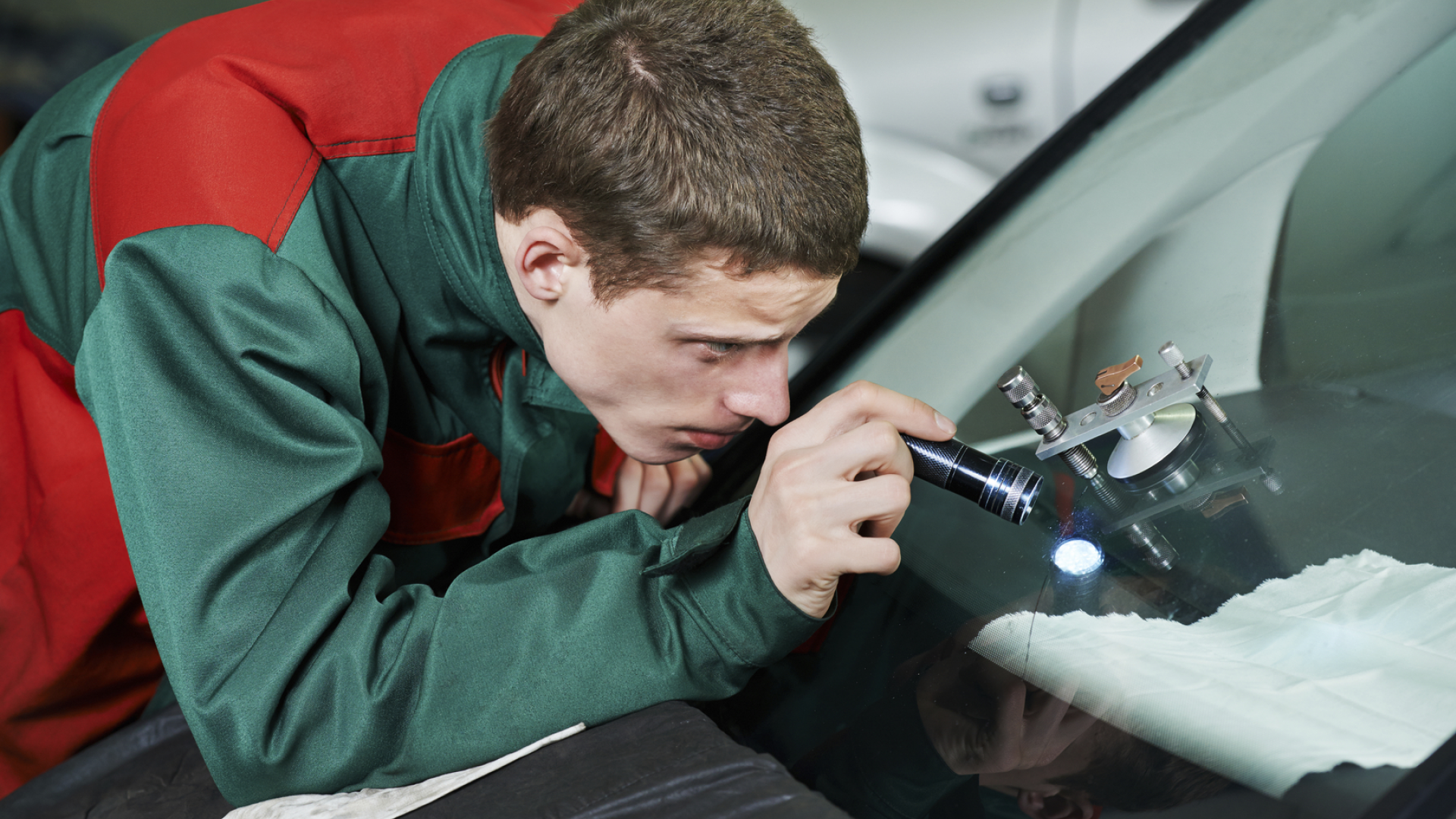
Introduction
A windshield can look badly damaged at first glance, yet not every crack or rock chip means the entire windshield needs to be replaced. In other cases, a damage spot that seems small may be too risky or too complicated to repair safely.
So how does a professional auto glass technician decide?
The answer depends on several factors, including the size, type, location, depth, and condition of the damage. Technicians also consider whether the damage affects the driver's line of sight, reaches the edge of the glass, or involves areas connected to windshield-mounted technology.
Understanding this evaluation process can help vehicle owners make better decisions after a rock hits the windshield, a crack suddenly spreads, or an existing chip becomes more noticeable.
For Utah drivers, timely assessment is especially useful because temperature changes, road debris, and everyday driving can cause windshield damage to worsen. A professional inspection can determine whether windshield repair is appropriate or whether windshield replacement is the safer option.
What Does a Windshield Technician Look for Before Recommending Repair?
A technician does not normally decide between repair and replacement based on one measurement alone. The entire damage pattern and the condition of the windshield are considered together.
During an inspection, a technician may evaluate:
The type of damage
The overall size of the damaged area
The depth of the damage
The location on the windshield
Whether the damage reaches an edge
Whether there are multiple damaged areas
Whether the glass has visible contamination
Whether the driver's view is affected
Whether the windshield has advanced driver assistance system components
Whether the structural integrity of the windshield has been compromised
A small rock chip away from the driver's primary viewing area may be a straightforward repair candidate. A long crack extending toward the edge may require replacement even if it appears relatively narrow.
That is why an online photo or a simple measurement cannot always provide a reliable final answer.
The Type of Windshield Damage Matters
Windshield damage can take several forms. A technician first identifies what actually happened to the glass.
Common examples include:
Bullseye chips
Star breaks
Combination breaks
Partial bullseyes
Surface pits
Short cracks
Long cracks
Edge cracks
Multiple impact points
A rock chip repair is often possible when the damage is limited and the glass remains structurally suitable for repair.
Cracks require more careful evaluation because they can continue spreading. The technician looks at the crack's length, direction, location, and relationship to the windshield's edges.
How the Size of the Damage Affects Repairability
Size is one of the factors technicians consider, but it should not be treated as a universal pass-or-fail rule.
A common mistake is assuming that every chip below a certain measurement can automatically be repaired. In reality, the location, depth, type of damage, and condition of the glass matter just as much.
A small chip can still be unsuitable for repair if it is positioned directly in a critical viewing area or has damaged important layers of the windshield.
A larger area of damage may sometimes be repairable depending on its characteristics and the repair technology being used. The technician must inspect the actual damage rather than relying only on a ruler.
Why Small Damage Should Still Be Inspected
A rock chip may look harmless because the visible mark is only a few millimeters across. Beneath the surface, however, the impact can create damage within the windshield's laminated structure.
The longer a damaged windshield remains exposed to vibration, temperature changes, moisture, and road conditions, the greater the chance that rock chips spread into large cracks or existing damage becomes harder to repair.
That is one reason drivers should have windshield damage evaluated promptly instead of waiting to see what happens.
Why the Location of the Damage Is So Important
A windshield is not simply a large piece of glass. Its position affects visibility, structural performance, and the operation of vehicle technology.
One of the first questions a technician considers is where the damage is located.
Damage may be more concerning when it is:
Directly in the driver's primary field of vision
Near the windshield edge
Close to mounting points or sensors
In an area used by an ADAS camera
Located where previous damage has already occurred
Damage in the Driver's Viewing Area
A repaired chip can leave a small amount of optical distortion or a visible repair mark. For that reason, damage directly in a driver's critical viewing area may receive additional scrutiny because even small damage can affect driver visibility.
The goal is not simply to make the glass look better. The technician must consider whether the repaired windshield will provide an appropriate level of visibility for safe driving.
Damage Near the Edge of the Windshield
Cracks that reach or begin near the edge can be more difficult to repair because the edge of the windshield is important to the glass's overall structure.
An edge-related crack may also have a greater chance of continuing to spread.
If a crack extends into or through a critical area, replacement may be recommended rather than attempting a repair that may not restore the windshield to an appropriate condition.
How Deep Is the Damage?
Windshields are laminated safety glass. They typically consist of glass layers with an inner plastic layer between them.
An impact can affect more than the outer surface.
A technician examines whether the damage is limited to the outer glass layer or whether it extends deeper into the windshield structure.
Surface-level damage may sometimes be addressed through repair. Damage that compromises the deeper layers can change the recommendation.
This is one reason professional inspection is valuable. What appears to be a simple chip from inside the vehicle may look substantially different under proper lighting and close examination.
What Happens If the Glass Is Contaminated?
Windshield damage can collect dirt, moisture, cleaning products, or other contaminants.
Once debris enters the damaged area, achieving an effective repair can become more difficult. The technician may inspect the impact point for contamination before determining whether a repair is appropriate.
This is also why drivers should avoid experimenting with household adhesives or other substances after a windshield impact.
A temporary attempt to seal or cover damage can make later professional repair more difficult.
Why Cracks Require Special Attention
A crack is not simply a larger version of a chip.
A crack creates a line through the glass and may continue expanding from its original impact point. Vibrations from driving, temperature changes, and additional stress can contribute to crack growth.
Technicians evaluate several characteristics, including:
Crack length
Crack direction
Crack location
Whether it reaches an edge
Whether branches or additional impact points are present
Whether the glass has other damage
A short crack in an appropriate location may sometimes qualify for repair. A long, spreading, edge-reaching, or otherwise compromised crack may make windshield replacement the better choice.
What Role Does the Windshield's Overall Condition Play?
Technicians do not evaluate only the newest rock chip.
They also look at the windshield as a whole.
A windshield with one isolated impact may be a good repair candidate. A windshield covered with numerous pits, previous repairs, cracks, or additional impact damage may present a different situation.
Multiple Chips and Cracks
Several separate damaged areas can affect the decision.
If a windshield has multiple impact points across important viewing areas, repairing each individual spot may not provide the best overall result.
The technician may recommend replacement if the accumulated damage affects visibility, structural condition, or the practicality of performing multiple repairs.
Previous Windshield Repairs
A previously repaired area can also influence the assessment.
Technicians may examine whether the previous repair remains stable, whether new cracks have developed around it, and whether additional damage has occurred nearby.
The objective is to evaluate the windshield's current condition rather than treating every new chip as an isolated event.
How Technicians Check for ADAS and Camera-Related Concerns
Modern vehicles increasingly use windshield-mounted cameras and sensors as part of advanced driver assistance systems (ADAS).
Depending on the vehicle, these systems can support functions such as lane-departure warnings, forward collision alerts, automatic emergency braking, or other driver-assistance features.
If an ADAS camera is mounted near the windshield, glass work can involve considerations beyond the glass itself.
Why Windshield Replacement Can Affect Camera Calibration
Removing and installing a windshield can change the position of components associated with the vehicle's camera system.
Some vehicles require ADAS calibration or lane departure system calibration after windshield replacement or other relevant service.
The exact requirements vary by vehicle manufacturer and system.
A professional auto glass provider should identify whether calibration is required for the specific vehicle rather than assuming every vehicle follows the same procedure.
This is an important distinction between replacing a piece of glass and properly completing the entire windshield service.
Repair vs. Replacement: How Technicians Compare the Options
The decision can be summarized this way:
Windshield Repair May Be Considered When:
The damage is limited in size and scope.
The location is suitable for repair.
The windshield's structure remains appropriate for repair.
The damage does not create an unacceptable visibility concern.
The damage has not significantly deteriorated.
The repair process can reasonably restore the damaged area.
Windshield Replacement May Be Recommended When:
The damage is too extensive.
A crack extends into a critical location.
The damage reaches the windshield edge.
The windshield has significant additional damage.
The damage compromises the glass structure.
Repair could leave an unacceptable visibility or safety concern.
The windshield cannot be appropriately restored through repair.
The final decision should be based on the condition of the actual windshield, not simply on whether the damage looks large or small.
Why Repairing a Windshield Early Can Make Sense
A chip does not necessarily become a crack, but damage can change over time.
A windshield is exposed to constant movement and environmental conditions. Temperature differences between the inside and outside of the vehicle can place stress on damaged glass.
Road vibration can also affect existing damage.
Getting an impact inspected early gives a technician the opportunity to determine whether repair is still appropriate before the damage changes. This is why fast windshield crack repair can save you money and improve safety.
What Should You Do After a Rock Hits Your Windshield?
If a rock creates a chip or crack, avoid unnecessary handling of the damaged area.
A practical approach is:
Inspect the windshield safely after pulling over.
Avoid pressing on the damaged spot.
Keep dirt and moisture away from the impact if possible.
Avoid applying household glue or other substances.
Arrange a professional inspection as soon as practical.
Ask whether repair or replacement is appropriate.
If replacement is necessary, ask whether ADAS camera calibration applies to your vehicle.
The sooner the damage is professionally evaluated, the more information the technician has to work with.
Can Mobile Auto Glass Technicians Evaluate Damage at Your Location?
Yes. Many auto glass services provide mobile windshield repair and replacement, allowing technicians to perform eligible services at a customer's home, workplace, or another suitable location.
Mobile service can be particularly useful when:
The windshield damage makes driving uncomfortable or unsafe.
The vehicle is not conveniently located near an auto glass shop.
The owner has a busy schedule.
A repair can be completed without bringing the vehicle into a shop.
Rock Doc Auto Glass provides both mobile service and in-shop appointments across Utah, giving customers options based on the vehicle's condition and the type of service required.
Some situations may be better suited to an in-shop environment, particularly when specialized equipment, calibration procedures, or additional inspection is necessary.
What About RVs and Motorhomes?
Windshield evaluation is not limited to passenger cars.
RVs and motorhomes can have large or specialized glass that requires technicians familiar with the vehicle and its windshield configuration.
Damage assessment for an RV or motorhome may involve additional considerations because of the windshield's size, shape, installation requirements, and vehicle design.
For that reason, owners of larger recreational vehicles should work with an auto glass provider experienced in motorhome windshield replacement and repair services.
Common Misconceptions About Windshield Repair
"If the Chip Is Small, It Can Always Be Repaired"
Not necessarily. Size is only one factor. Location, depth, damage type, visibility, edge involvement, and overall windshield condition can change the recommendation.
"A Crack Means the Windshield Always Needs Replacement"
Not automatically. Some cracks may qualify for repair depending on their characteristics. A technician needs to inspect the damage before determining the appropriate service.
"A Repair Makes the Damage Completely Invisible"
A professional repair is intended to stabilize and improve the damaged area, but a repair may leave a small visible mark. The result can depend on the original impact, contamination, age of the damage, and other conditions.
"I Can Wait Until the Crack Gets Worse Before Calling"
Waiting can reduce repair options. Damage may expand after temperature changes, vibration, or additional stress. Having it assessed earlier allows a professional to determine what can realistically be done while the damage is still limited.
How to Choose an Auto Glass Provider
The quality of the decision depends partly on the quality of the inspection.
Look for an auto glass provider that can clearly explain:
Why a repair is or is not recommended
What type of damage is present
Whether replacement is necessary
Whether your vehicle requires ADAS calibration
What warranty is provided
Whether insurance assistance is available
Whether mobile service is appropriate
A trustworthy technician should be able to explain the recommendation without pressuring the customer into unnecessary work.
For vehicles requiring windshield replacement, ask specifically about camera calibration and any manufacturer-related procedures that may apply. If you have questions, check their auto glass FAQs or contact their team for details.
Conclusion
Determining whether auto glass can be repaired is more involved than measuring the size of a chip.
Professional technicians consider the type, size, depth, location, severity, and overall condition of the damage. They also consider visibility, windshield edges, previous damage, and vehicle technology such as ADAS cameras.
A small rock chip may be a good candidate for repair, while another chip of similar size could require replacement because of where it is located or how deeply the glass has been affected.
The best approach is to learn when is a windshield chip repairable and have windshield damage evaluated before it has an opportunity to spread or become more complicated. For Utah drivers, Rock Doc Auto Glass offers windshield repair and replacement, rock chip and crack repair, ADAS and lane-departure camera calibration, RV glass services, and ExoShield windshield protection through mobile and in-shop service options.
The goal of a professional assessment is straightforward: determine what the windshield actually needs and recommend the appropriate service based on its condition.
Frequently Asked Questions
Can a small windshield chip or crack be repaired instead of replacing the windshield?
Sometimes. A technician evaluates the damage's size, type, depth, location, proximity to the windshield edge, and effect on visibility. If the damage is suitable for repair, replacing the entire windshield may not be necessary.
How do technicians know if a windshield crack can be repaired?
Technicians examine the crack's length, location, depth, direction, and whether it reaches the windshield edge. They also consider other damage and the windshield's overall condition before recommending repair or replacement.
How much does windshield repair or replacement cost?
Pricing varies based on the vehicle, windshield type, damage, required installation procedures, and whether additional services such as ADAS calibration are needed. Insurance coverage can also affect the customer's out-of-pocket cost.
How long does windshield repair or replacement take?
The time depends on the type of service, vehicle, windshield, installation requirements, and whether calibration is necessary. A professional provider can give a more accurate timeframe after identifying the vehicle and required work.
Does windshield replacement require ADAS or camera calibration?
Some vehicles require ADAS or windshield-mounted camera calibration after replacement. Requirements vary by vehicle and system, so the technician should determine whether calibration is necessary for the specific vehicle.
Can windshield damage be repaired at my location?
Many auto glass companies offer mobile windshield repair and replacement. Mobile service may be available at a home, workplace, or other suitable location, although certain procedures may require an in-shop appointment.
What should I do if a rock hits my windshield while driving?
Pull over somewhere safe and inspect the damage without touching or pressing the glass. Avoid applying glue or other products to the damaged area. Arrange a professional inspection promptly to determine whether repair is possible.
Can a cracked RV or motorhome windshield be repaired?
It depends on the type, location, size, and severity of the damage and the windshield's overall condition. RV and motorhome glass can have specialized requirements, so an experienced technician should inspect the damage before recommending repair or replacement.
How soon can I drive after a windshield replacement?
The required waiting period depends on the adhesive and installation procedure used. Your auto glass technician should provide the specific safe-drive-away time for your vehicle and installation.
Does windshield repair or replacement come with a warranty?
Warranty coverage varies by provider and service. Before approving the work, ask what the warranty covers, how long it applies, and whether there are conditions or exclusions.
