
Introduction
A damaged windshield can create more questions than most drivers expect. Is the chip small enough to repair? Will a replacement affect your vehicle’s safety systems? Does insurance cover the damage? How soon can you drive after the work is finished? Getting clear answers before scheduling service can help you make a confident decision and avoid unexpected expenses.
Your windshield does much more than protect you from wind, rain, dust, and road debris. It contributes to the vehicle’s structural strength, supports proper airbag deployment in many vehicles, and provides a clear view of the road. A poorly performed repair or an incorrectly installed replacement can affect visibility and safety.
Before choosing an auto glass provider, take time to understand the recommended work, the materials being used, the expected cost, and any follow-up requirements. Asking the right questions to ask before choosing an auto glass repair company can help you compare your options, understand your insurance benefits, and recognize the difference between a convenient appointment and a properly completed service.
Rock Doc Auto Glass serves drivers across Utah with windshield repair and replacement, rock chip and crack repair, advanced driver assistance system (ADAS) calibration, RV and motorhome glass services, and ExoShield windshield protection. Understanding what to ask helps you get more value from any professional auto glass appointment, whether you choose mobile service or visit a shop.
1. Is My Windshield Damage Repairable, or Do I Need a Replacement?
This should be your first question because the answer determines the type of service your vehicle needs. Windshield repair typically involves filling suitable chips or cracks with specialized resin, while replacement involves removing the damaged glass and installing a new windshield. Understanding what is the difference between windshield repair and windshield replacement will clarify the process.
A repair may cost less, take less time, and preserve the original factory-installed glass. However, not every damaged windshield can be repaired safely.
What factors determine whether a windshield can be repaired?
Ask the technician to assess the following factors:
Size of the damage: Small chips and short cracks may qualify for repair, depending on their type and location.
Location: Damage directly in the driver's primary viewing area may make repair unsuitable because even small windshield damage can affect driver visibility.
Depth: Damage that penetrates multiple layers of laminated glass may require replacement.
Type of damage: Star breaks, bull's-eye chips, combination breaks, and long cracks have different repair considerations.
Existing damage: Multiple chips or previous repairs can affect whether another repair is appropriate.
These factors work together. A small chip near the edge of the windshield, for example, may present a different safety concern than a similar chip near the center.
Why should you ask for an explanation before approving the work?
Ask the technician to explain why repair or replacement is the safer choice for your particular vehicle. Technicians use specific guidelines when evaluating how technicians determine whether auto glass can be repaired. If replacement is recommended, find out when is a windshield chip repairable and when is replacement necessary.
Be cautious of anyone who promises that every chip can be repaired or insists that every crack automatically requires a new windshield without inspecting the damage. A professional assessment should account for visibility, structural integrity, manufacturer guidance, and applicable repair standards.
2. How Much Will Windshield Repair or Replacement Cost?
The price depends on your vehicle, the extent of the damage, the type of glass required, and whether additional procedures are necessary. Request a written estimate before authorizing the service.
What should a windshield estimate include?
Ask for a breakdown of the expected charges, including:
The cost of the windshield or repair materials.
Labor and installation.
Moldings, clips, adhesives, or other required components.
ADAS camera calibration, if applicable.
Mobile service fees, if any.
Taxes and any additional charges.
A low initial quote may not include everything your vehicle needs. Comparing estimates is useful, but make sure you are comparing equivalent glass specifications, installation procedures, and calibration requirements.
Does the type of replacement glass affect the price?
Yes. Depending on the vehicle, you may have options involving original equipment manufacturer (OEM) glass or aftermarket glass. Understanding OEM vs aftermarket auto glass can help you decide.
OEM glass is supplied under the vehicle manufacturer's original equipment specifications or sourcing arrangements. Aftermarket glass is produced by other manufacturers and may also meet applicable safety and performance requirements.
The correct choice depends on fit, optical quality, available specifications, vehicle requirements, and your budget. Ask whether the proposed glass meets applicable auto glass standards and any relevant manufacturer requirements.
For vehicles with rain sensors, heating elements, acoustic features, heads-up displays, or camera systems, compatibility deserves particular attention. A cheaper windshield is not necessarily a better value if it lacks a required feature or creates calibration problems.
3. Does My Auto Insurance Cover Windshield Damage?
Insurance coverage varies by policy, deductible, insurer, and the circumstances of the damage. Some policies include glass-specific benefits, while others handle windshield damage under comprehensive coverage.
Before booking service, contact your insurer or ask the glass provider what assistance is available.
What insurance questions should you ask?
Start with these:
Is windshield repair or replacement covered under my policy?
Does my policy have a separate glass deductible?
Will I have to pay anything out of pocket?
Do I need approval before the work begins?
Can I choose my preferred auto glass provider?
Is ADAS calibration covered if the replacement requires it?
What documentation must I submit?
The answers can differ between a repair and a replacement. Some policies waive the deductible for qualifying chip repairs, but this is not universal.
Should you file an insurance claim for a small chip?
Consider the repair cost, your deductible, and the terms of your policy before deciding. If a small repair costs less than your deductible, paying directly may be more practical. If your policy covers the repair without a deductible, using that benefit may make sense.
Ask the provider whether it can help with claim documentation or insurer communication. Insurance assistance can reduce administrative work, but it does not guarantee approval or eliminate your financial responsibility.
4. What Type of Windshield Glass Will Be Installed?
Your windshield is part of the vehicle's safety system, so the replacement glass must be suitable for your specific make, model, year, and equipment configuration.
Ask the provider to identify the glass being installed and confirm that it matches your vehicle's requirements.
What features should you check?
Depending on the vehicle, the windshield may include:
Acoustic glass to help reduce cabin noise.
Heating elements for improved visibility in cold conditions.
Rain or light sensors.
Camera mounting brackets.
Heads-up display compatibility.
Solar-control features or specialized tinting.
Antennas or other integrated components.
Two windshields designed for the same model may not be interchangeable if their equipment configurations differ. Providing your vehicle identification number (VIN) can help the provider identify the appropriate part.
Does aftermarket glass meet safety requirements?
Aftermarket glass can be a suitable option when it meets applicable safety standards and is compatible with the vehicle. Ask about the glass manufacturer's specifications, warranty coverage, and compatibility with any camera-based safety systems.
Do not judge quality by price alone. Proper fit, clear optics, suitable materials, correct installation, and any required calibration all contribute to the final result.
5. Who Will Perform the Repair or Replacement?
The technician's experience and installation process matter because windshield work involves more than fitting a piece of glass into an opening.
Ask about the technician's training, relevant certifications, and experience with your vehicle type. If your car has advanced safety features, ask whether the technician is experienced with vehicles that require ADAS calibration.
What should you know about installation procedures?
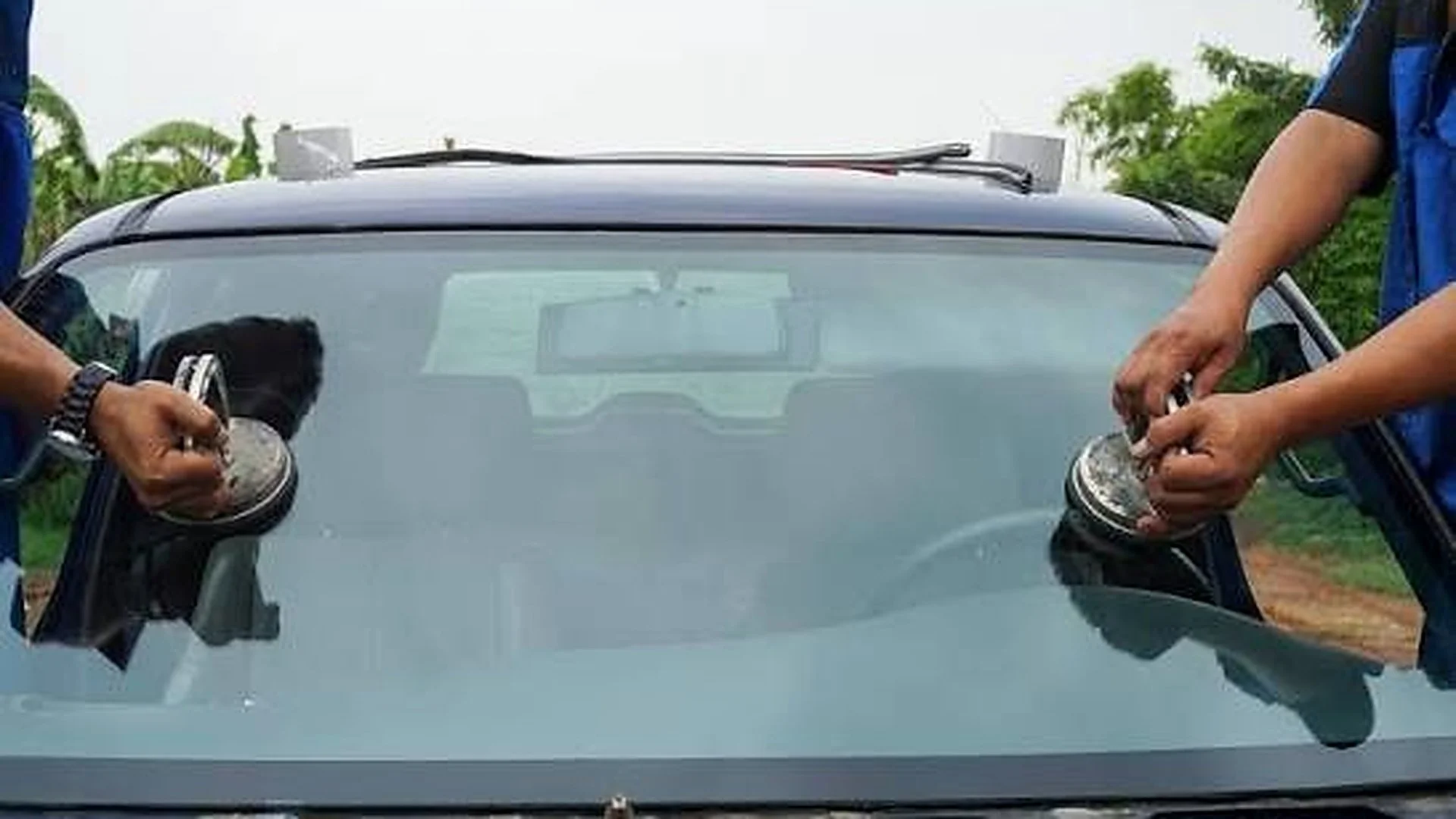
Knowing what happens during a professional windshield replacement appointment ensures you get quality service. A proper replacement generally involves removing the damaged windshield, preparing the mounting surface, applying the specified adhesive system, positioning the new glass correctly, and following the adhesive manufacturer's installation instructions.
Ask whether the provider follows vehicle-specific procedures and understands what drivers should know about windshield replacement adhesives. Improper surface preparation, incorrect adhesive application, or poor positioning can compromise the installation.
You can also ask whether the shop documents the work performed and explains any limitations or follow-up instructions.
What does certified workmanship mean?
Certification can indicate that a technician has completed relevant training or met the requirements of a recognized program. However, credentials vary, so ask which certification applies and what it covers.
A professional provider should be willing to explain its qualifications without relying on vague claims. Clear communication about procedures, materials, and responsibility is a useful sign that the provider takes the work seriously.
6. Will My Vehicle Need ADAS or Camera Calibration?
This is one of the most important questions to ask before replacing a windshield on a vehicle equipped with advanced driver assistance systems.
ADAS refers to technologies designed to assist drivers with tasks such as maintaining lane position, detecting potential collisions, or supporting adaptive cruise control. Depending on the vehicle, a camera mounted near the windshield may supply information to these systems.
Why does windshield replacement affect calibration?
Removing and reinstalling the windshield can change the camera's position or its relationship to the vehicle. Even a small change can affect how the camera interprets road markings, distances, and surrounding objects.
Understanding why modern vehicles require ADAS recalibration after auto glass service highlights the importance of this step. If the manufacturer requires calibration after windshield replacement, the procedure must be completed according to the applicable instructions.
What should you ask about calibration?
Ask the provider:
Does my vehicle require calibration after windshield replacement?
Is static calibration, dynamic calibration, or a combination required?
Is calibration included in the estimate?
Will the work follow the vehicle manufacturer's procedures?
Will I receive confirmation that the required calibration was completed?
Static calibration generally uses a controlled setup with specified targets. Dynamic calibration involves driving under prescribed conditions so the system can calibrate while observing the road. Some vehicles require both methods.
Not every vehicle uses the same process, and not every replacement requires the same calibration procedure. The answer should be based on the vehicle manufacturer's requirements, not a general assumption.
Never assume that a dashboard warning light is the only sign of a calibration problem. Understanding ADAS calibration mistakes that can affect vehicle safety features will help you avoid unsafe situations. If your vehicle requires calibration, ask for confirmation before treating the repair as complete.
7. How Long Will the Repair Take, and When Can I Drive?
A small rock chip repair is generally quicker than a full windshield replacement. However, the exact time depends on the damage, the vehicle, the installation process, and any additional work.
Ask for an estimated appointment duration and clarify whether the estimate includes calibration.
How long does windshield repair usually take?
Many drivers wonder how long does a windshield repair usually take. Many straightforward chip repairs can be completed in approximately 30 minutes, although some jobs take longer. The technician may need additional time to inspect the damage, prepare the glass, inject resin, cure the material, and check the result.
While chip repair fixes structural weakness, drivers often ask: can a windshield repair restore the glass completely? Repair can improve the windshield's strength and appearance, but it may not make the damaged area completely invisible.
Why does replacement require additional time?
A replacement involves removing the old glass, preparing the frame, installing the new windshield, and allowing the adhesive to reach the required safe-drive-away condition.
Safe drive-away time is the minimum period specified for an installed windshield to become safe for driving under the relevant conditions. It depends on the adhesive used, environmental conditions, and manufacturer instructions.
Ask the technician for your vehicle's specific safe drive-away time rather than relying on a general estimate. Know the rules on whether you can drive immediately after windshield replacement. Do not drive until the technician confirms it is safe.
8. Is Mobile Windshield Service Available for My Location?
Mobile auto glass service allows a technician to perform eligible repairs or replacements at a customer's home, workplace, or another suitable location. It can be especially helpful when a damaged windshield makes driving uncomfortable or unsafe.
However, mobile service is not appropriate for every situation.
What should you ask before scheduling mobile service?
Confirm the following details:
Does the provider serve your location in Utah?
Can the specific repair or replacement be completed on-site?
Is there a mobile service fee?
Does the work require a garage, level parking area, or controlled environment?
Can any required ADAS calibration be completed at that location?
What happens if weather conditions prevent the work?
Wind, rain, extreme temperatures, dust, and other environmental conditions can affect installation quality or adhesive performance. A technician may need to reschedule or recommend an in-shop appointment when conditions are unsuitable.
When is an in-shop appointment better?
When comparing mobile auto glass repair vs in-shop service, an auto glass shop may offer a more controlled environment for installation and calibration equipment. Certain vehicles or procedures require specialized tools, space, or conditions that are difficult to provide at a customer's location.
Ask the provider which option best suits your vehicle and the work required. Convenience matters, but it should not override proper installation procedures.
9. What Warranty Covers the Work?
A warranty helps clarify what happens if a repair or installation develops a problem. Before approving the service, request the warranty terms in writing.
What should the warranty cover?
Ask whether coverage applies to:
Workmanship or installation defects.
Water leaks or wind noise associated with installation.
Defects in the replacement glass.
The repair itself and any stated repair limitations.
Related services, including calibration, where applicable.
Find out how long coverage lasts, whether exclusions apply, and how to request a warranty inspection.
A warranty for replacement glass may differ from a warranty for a chip repair. For example, some repair warranties address the possibility that a repaired chip may spread, while others offer different remedies. Ask exactly what happens if the damage expands.
Does a warranty cover every future crack?
Usually, you should not assume that it does. A new rock strike, collision, or unrelated damage may fall outside the warranty terms.
Read the exclusions carefully and retain your invoice and warranty documentation. Knowing what is covered before the appointment prevents misunderstandings later.
10. Can the Provider Handle RV and Motorhome Windshields?
Windshield service for recreational vehicles can involve different requirements from those of a passenger car. RVs and motorhomes may have large, curved, specially shaped, or model-specific glass that requires specialized handling.
If you own an RV, review motorhome and RV windshield replacement details and confirm that the provider services your vehicle type before scheduling.
What questions should RV owners ask?
Ask whether the provider can source the correct windshield for your RV's make, model, and year. RV owners should understand why RV windshields require specialized glass repair expertise. Find out whether the job requires specialized equipment, additional technicians, or a particular installation location.
You should also ask about parts availability, expected scheduling, installation time, and warranty coverage. Larger windshields can involve different logistical requirements, so a realistic estimate is more useful than an immediate promise.
For motorhomes with integrated cameras or other electronic equipment near the windshield, ask whether those systems require inspection, reconnection, or calibration after installation.
11. Should I Consider Windshield Protection After Replacement?
Windshield protection products may help reduce damage from certain impacts, but they cannot make glass indestructible. If you frequently drive on gravel roads, travel behind trucks, or spend substantial time on highways, consider windshield protection solutions for frequent highway drivers.
What is ExoShield windshield protection?
Understanding ExoShield windshield protection helps you see how it guards against impact damage. Product options and compatibility can vary, so ask which solution is appropriate for your vehicle and learn how ExoShield can help extend windshield life.
Before purchasing any protection product, ask about the following:
Which types of damage is it designed to help prevent or reduce?
Is it compatible with your windshield and any integrated features?
How does it affect optical clarity and night driving?
What maintenance is required?
What warranty applies, and what exclusions should you understand?
A protection film is not a substitute for repairing existing damage or replacing a windshield that is no longer safe. It is a preventive option to discuss once the glass is in suitable condition.
12. What Should I Do Before My Appointment?
A little preparation can help the technician complete the job efficiently and reduce delays.
Prepare the vehicle and necessary information
Before your appointment:
Record your vehicle's make, model, year, and VIN.
Photograph the damaged area if it is safe to do so.
Describe when the damage occurred and whether the crack has spread.
Check your insurance coverage and deductible.
Remove personal belongings from the dashboard and the immediate work area.
Ask whether the technician needs access to a garage or a clear parking space.
Confirm the appointment time, estimate, and any expected follow-up requirements.
Avoid pressing on the damaged area or attempting a repair with unsuitable materials. Factors like weather conditions affecting windshield damage or sudden temperature changes can cause cracks to spread.
If the windshield damage significantly obstructs your view or appears to compromise the glass, avoid driving the vehicle until you have received appropriate guidance.
What should you check after the work is finished?
Before considering the appointment complete, ask the technician to explain the work performed and know what to check after a windshield repair or replacement.
For a replacement, confirm that the required calibration has been completed when applicable, obtain safe drive-away instructions, and ask whether any temporary restrictions apply. Follow guidance about car washes, removing protective tape, opening doors or windows, and other post-installation precautions.
For a repair, inspect the area with the technician and ask whether the remaining mark is normal. A repaired chip can remain visible even when the repair has been successful.
Keep your receipt, warranty information, and any calibration documentation with your vehicle records.
Conclusion
Choosing windshield repair or replacement is about more than finding the lowest price or the earliest available appointment. The quality of the glass, the technician's installation process, insurance coverage, adhesive curing time, and any required ADAS calibration all deserve attention.
Start by asking whether the damage is repairable, what the estimate includes, and which glass is appropriate for your vehicle. Then confirm the technician's qualifications, warranty terms, service location, and safe drive-away instructions. If you drive an RV or a vehicle equipped with advanced safety features, ask about specialized requirements before booking.
A reputable auto glass provider should explain the available options, answer your questions clearly, and help you understand what happens before, during, and after the service. Taking a few minutes to ask the right questions can help you protect your visibility, make an informed financial decision, and return to the road with greater confidence. Contact Rock Doc Auto Glass today to schedule your consultation.
Frequently Asked Questions
1. How much does windshield replacement cost?
Windshield replacement costs vary by vehicle, glass specifications, labor, and any required ADAS calibration. Request an itemized estimate that includes installation materials, applicable fees, and calibration so you can compare the full cost accurately.
2. Can a small windshield chip or crack be repaired instead of replacing the windshield?
Yes, some chips and short cracks can be repaired with specialized resin. Suitability depends on the damage's size, depth, location, and type. Technicians understand how rock chips spread into large cracks, so a technician should inspect the windshield to determine if repair can restore safety.
3. How long does a windshield replacement or repair take?
A straightforward chip repair may take around 30 minutes, while replacement often requires longer because of glass removal, installation, and adhesive curing. Your technician should provide an estimate and confirm the required safe drive-away time.
4. Do you offer mobile windshield repair and replacement at my location?
Mobile auto glass service may be available at homes, workplaces, and other suitable locations. Check out what to expect from mobile windshield replacement. Ask whether your location is covered, whether additional fees apply, and whether the work can be completed safely on-site.
5. Do you work with auto insurance companies for windshield claims?
Some auto glass providers assist customers with insurance documentation and claim communication. Coverage, deductibles, approval requirements, and provider restrictions depend on your policy. Contact your insurer to confirm benefits before authorizing the work.
6. Does windshield replacement require ADAS or camera calibration?
Some vehicles require ADAS calibration after windshield replacement because cameras or sensors may be affected by the installation. Learn what drivers should know about ADAS calibration and ask whether calibration is necessary for your vehicle.
7. Do you provide windshield replacement for RVs, motorhomes, and larger vehicles?
Some auto glass providers service RVs and motorhomes, but availability depends on vehicle type, glass specifications, equipment, and parts availability. Confirm that the provider handles your particular vehicle and ask about sourcing, installation arrangements, and warranty coverage.
8. What should I do if my windshield is damaged by a rock while driving?
Maintain control of the vehicle, avoid sudden maneuvers, and pull over somewhere safe if necessary. Avoid pressing on the damaged glass, document the damage when safe, and arrange a professional assessment. Do not continue driving if your visibility or the windshield's integrity is compromised.
9. How soon can I drive my vehicle after a windshield replacement?
You can drive only after the adhesive has reached the required safe drive-away condition. The waiting period varies with the adhesive, environmental conditions, and installation requirements. Ask the technician for the specific time and follow all post-installation instructions.
10. Do you offer a warranty on windshield repairs and replacements?
Warranty coverage depends on the provider, service, glass, and written terms. Browse our auto glass FAQs or ask whether workmanship, leaks, glass defects, or repair-related issues are covered, how long protection lasts, and which exclusions apply. Keep your invoice and warranty documentation for future reference.
