
Introduction
A tiny chip in your windshield may seem like a problem you can deal with later. Perhaps a small stone hit the glass on the highway, leaving a mark smaller than a coin. You can still see the road clearly, the damage does not appear to be spreading, and replacing the windshield seems unnecessary.
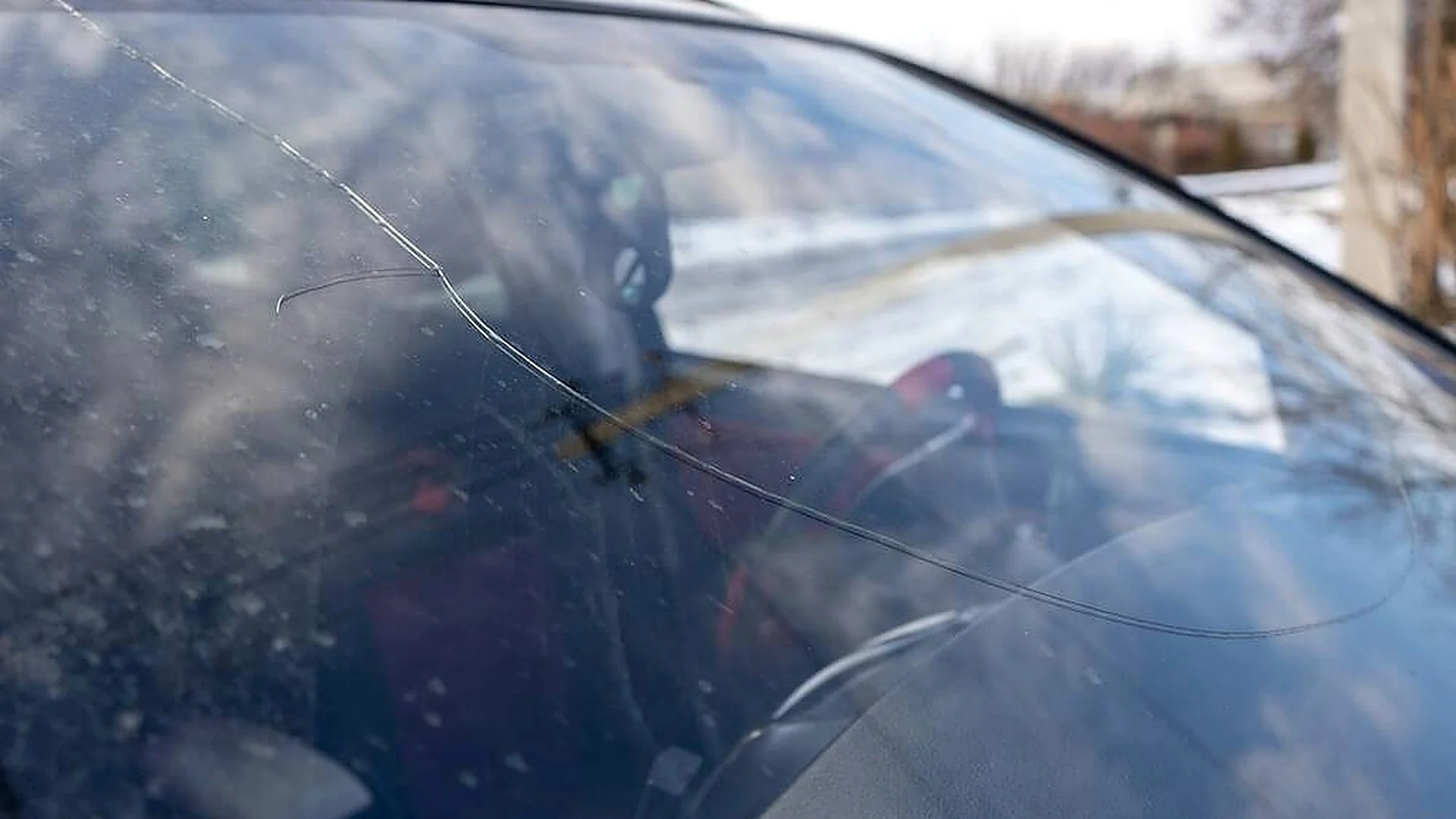
However, windshield damage can change over time, even when it initially looks harmless. Temperature fluctuations, road vibrations, moisture, and everyday driving conditions can cause a small chip to develop into a longer crack. Damage that could have been repaired early may eventually require a complete windshield replacement.
Understanding how windshield damage develops helps you make better decisions about vehicle safety, repair timing, and maintenance costs. For Utah drivers, where temperatures can vary considerably between seasons and conditions can change between valleys and mountain roads, recognizing the early warning signs is particularly useful.
This guide explains why minor windshield damage can worsen, which environmental factors contribute to crack growth, how to recognize different types of damage, and when professional windshield repair or replacement is the safer choice.
Why Minor Windshield Damage Should Not Be Ignored
A modern windshield does more than keep wind, rain, dust, and insects out of your vehicle. It also contributes to the vehicle's structural integrity and helps support the proper operation of certain safety systems.
Most modern windshields consist of two layers of glass bonded around a plastic interlayer. This laminated construction helps hold broken glass together if the windshield is struck. However, it does not make the glass immune to damage.
A Small Chip Can Develop Into a Larger Crack
A rock chip creates a localized point of damage in the glass. The impact can produce tiny fractures around the damaged area, even when the visible mark looks small.
Those fractures can spread when the windshield experiences changes in temperature, pressure, or vibration. A chip that remains stable for several days might develop a noticeable crack after a cold night, a rough drive, or exposure to direct sunlight.
The speed of crack growth varies. Some damage remains relatively stable, while other damage spreads unexpectedly. Understanding how rock chips spread into large cracks shows why appearance alone cannot reliably predict how long the windshield will remain safe to use.
Windshield Damage Can Affect More Than Visibility
A small chip outside the driver's direct line of sight may seem unimportant. However, damage can affect the windshield's ability to withstand further impacts and compromise how windshield glass supports roof strength during an emergency.
A compromised windshield may also create glare when sunlight or headlights hit the damaged area. Even a relatively small imperfection can become distracting, which is why even minor damage can affect night driving visibility.
In vehicles equipped with advanced driver assistance systems, the windshield may also be positioned in front of cameras or sensors. Damage near these components, or a replacement performed without the required calibration, can affect the proper operation of systems such as lane-departure warnings.
What Causes Windshield Damage to Get Worse Over Time?
Several everyday conditions can turn a minor chip into a more serious problem. Often, the damage worsens because multiple factors affect the glass rather than because of one dramatic event. Learning what causes windshield damage to spread can help you prevent small chips from expanding.
Temperature Changes and Thermal Stress
Glass expands slightly when heated and contracts when cooled. When different areas of a damaged windshield experience uneven temperature changes, stress can develop around the existing fracture.
This process is commonly called thermal stress. It can encourage a crack to extend from an existing chip, particularly when extreme heat or cold causes chips to spread.
For example, imagine leaving your vehicle outside during a freezing Utah night. In the morning, you direct hot air from the defroster toward the cold windshield. The temperature difference between the heated interior-facing surface and the colder surrounding glass can increase stress around the damaged area.
The reverse situation can also cause trouble. A windshield that has become hot in direct sunlight may experience rapid cooling when exposed to cold water or a sudden temperature change.
Best practice: Warm or cool your vehicle gradually when possible. Avoid pouring hot water onto icy glass, and do not use extreme temperature changes to remove frost from a damaged windshield.
Road Vibrations and Everyday Driving
Every drive exposes your vehicle to movement, vibration, and changes in load. Potholes, uneven pavement, gravel roads, speed bumps, and rough mountain routes can place additional stress on damaged glass.
A healthy windshield is designed to handle normal driving conditions. However, an existing chip or crack creates a weakened area where additional stress may encourage the fracture to spread.
Consider a driver who notices a small chip after a commute. The mark appears unchanged for several days, but the driver then travels over uneven roads. A thin crack appears afterward, extending from the original impact point.
The road may not have caused the initial damage, but vibration and movement may have contributed to its progression.
Moisture, Ice, and Debris
Water can enter exposed portions of windshield damage. When temperatures fall below freezing, trapped moisture may freeze and expand, potentially increasing stress around an existing fracture.
Dirt and road debris can also collect inside a chip. Contamination may make professional repair more difficult because the technician has less ability to restore the damaged area cleanly.
Another concern is repeated impact. A second stone strike near an existing chip can extend the damage or create additional fractures.
Protecting a damaged area from contamination and arranging an inspection promptly can help preserve repair options. Avoid poking the chip, applying household adhesives, or trying to force debris out of it.
Vehicle Body Movement and Door Slamming
Your vehicle's body flexes slightly as it moves over uneven surfaces and changes direction. The windshield is installed within the vehicle's frame, so movement in the surrounding structure can affect the stresses acting on damaged glass.
Closing a door with excessive force may also produce a sudden pressure change inside the cabin. A damaged windshield can be more vulnerable to these stresses than undamaged glass.
These actions do not automatically cause a crack to spread, but they can contribute to the conditions that make existing damage worse.
Until the windshield has been assessed, avoid unnecessary impacts and drive cautiously if the vehicle remains safe to operate.
How Different Types of Windshield Damage Change Over Time
Recognizing the type of damage can help you understand what a technician may recommend. However, only a proper assessment can determine whether a particular windshield is suitable for repair.
Rock Chips and Bull's-Eye Damage
A rock chip occurs when a small object strikes the windshield and removes or fractures a localized portion of the glass. A bull's-eye chip often has a circular appearance, sometimes with a darker center and a defined outer ring.
These marks may initially seem insignificant. Over time, small fractures can extend beyond the visible impact point, particularly when the glass experiences repeated stress.
Professional windshield chip repair may be possible when the damage is limited, repairable, and located in an appropriate area. Early attention can also help prevent dirt and moisture from accumulating in the damaged section.
Star Breaks
A star break has several small cracks radiating outward from a central impact point. The damage can resemble a star or a series of fine lines spreading across the glass.
These fractures can extend in different directions as the windshield experiences temperature changes and vibration. Their narrow appearance does not necessarily mean the damage is superficial.
A technician will assess the number and length of the cracks, their location, and whether the glass can be safely restored. Some star breaks are repairable, but others require replacement.
Short Cracks and Long Cracks
A short crack may begin at a rock chip or another impact point. It can appear as a single line, sometimes barely noticeable against the surrounding glass.
As stress continues, the line may lengthen or branch into additional cracks. Once a crack reaches a certain size or extends into a critical area, repair may no longer be appropriate.
There is no universal length limit that determines every repair decision. Vehicle specifications, the type of damage, the crack's location, and applicable safety guidance all matter.
A professional windshield inspection is the best way to establish whether a crack can be repaired or whether replacement is necessary.
Edge Cracks
Edge cracks develop near the perimeter of the windshield, close to where the glass meets the vehicle frame.
The edges are important because the windshield's installation and bonding system help it function as part of the vehicle's structure. Damage near the perimeter may be exposed to additional stresses and can be less suitable for repair.
If you notice a crack beginning near the windshield's edge, arrange an assessment promptly. A seemingly short fracture in this location should not be judged by length alone.
Why Utah's Weather Can Make Minor Windshield Damage More Concerning
Utah drivers may encounter cold winter mornings, strong summer sunlight, changing elevations, and substantial temperature differences between indoor parking and outdoor conditions. Understanding how weather conditions affect windshield damage helps explain why small chips spread so quickly across the region.
These variations can create repeated cycles of expansion and contraction in windshield glass.
Winter Freezing and Morning Defrosting
During winter, a vehicle may remain outside for hours while the windshield becomes very cold. Switching on the defroster at a high setting can heat one portion of the glass faster than another.
If a chip or crack is already present, this uneven heating may increase the stress around the damaged area. Scraping aggressively or striking stubborn ice can introduce further mechanical stress.
Use a suitable ice scraper gently, allow the defroster to warm the glass gradually, and avoid hot water. If the windshield is already cracked, do not assume that a short drive to warm the cabin will leave the damage unchanged.
Summer Heat and Direct Sunlight
Parked vehicles can become very hot in direct sunlight. Windshield temperatures may vary depending on sun exposure, shade, airflow, and the surrounding environment.
Turning the air conditioning to its coldest setting immediately may create a temperature difference between the cabin-facing glass and the exterior surface. With existing damage, that difference may encourage crack growth.
Cooling the cabin gradually is a sensible precaution. Shade or a windshield sunshade can also help reduce heat exposure, although neither will repair an existing chip.
Mountain Roads and Changing Elevations
Driving through Utah's mountains can expose vehicles to changing temperatures, road surfaces, and elevation. These conditions do not guarantee that a windshield will crack, but they can add to the range of stresses experienced during a trip.
Before a long drive, inspect the windshield for new chips, spreading lines, and damage that interferes with the driver's view. Realizing the benefits of addressing windshield damage before departure ensures a safer journey.
Signs That Windshield Damage Is Getting Worse
Windshield damage does not always spread in an obvious way. Regularly checking the glass and learning how to tell if a windshield crack is getting worse can help you notice changes before the problem becomes more difficult to address.
Watch for these warning signs:
A growing crack: A line extends farther from the original impact point.
New branches: A single crack develops additional lines or splits.
A changing chip: The damaged area develops more visible fractures or a larger broken section.
Distorted vision: Light bends around the damage, creating glare or visual distortion.
Damage near the edge: A crack appears or spreads close to the windshield frame.
New damage after a temperature change: A chip that looked stable develops a line after frost, heating, or direct sunlight.
A useful habit is to check the windshield under good lighting and compare the damage with what you previously observed. Avoid pressing on the glass to test its stability.
If a crack is spreading rapidly, the driver's view is obstructed, or the glass appears unstable, stop driving when it is safe to do so and arrange professional assistance. Do not continue a journey simply because the windshield has not completely broken.
Can a Minor Windshield Chip Be Repaired?
Yes, many small chips and certain cracks can be repaired. However, not every damaged windshield qualifies, and a small appearance does not guarantee that repair is safe or appropriate. Knowing when a windshield chip is repairable helps manage expectations.
What a Professional Windshield Repair Involves
For suitable damage, a technician typically cleans and prepares the affected area, applies a specialized windshield repair resin, and uses appropriate equipment to help the resin enter the accessible fractures.
The resin is then cured and finished according to the repair procedure. Understanding how long a windshield repair takes can help you plan your service appointment conveniently.
A successful repair does not necessarily make the damage completely invisible. Drivers wondering if a repair restores the glass completely should note that the main objective is to structuralize the area and prevent further spreading.
When Windshield Replacement May Be Necessary
Replacement may be recommended when the damage is too extensive, reaches a critical area, compromises the driver's view, or cannot be safely repaired under applicable guidelines.
The technician will evaluate how technicians determine repairability by examining damage near the perimeter, multiple impact points, and overall glass condition.
Replacing a windshield is not simply a matter of fitting a new piece of glass. Proper installation, suitable bonding materials, and adequate curing time are essential. It helps to understand what happens during a replacement appointment to ensure everything goes smoothly.
Vehicles equipped with windshield-mounted driver assistance cameras may also require calibration after replacement.
What to Do When You Notice a Small Windshield Chip
Taking sensible steps immediately after discovering damage can help protect the glass and make the repair assessment easier.
Check your visibility. Determine whether the damage obstructs the driver's view or creates distracting glare. Do not continue driving if the windshield makes safe operation difficult.
Avoid sudden temperature changes. Use the defroster and air conditioning gradually. Never pour hot water onto cold or icy glass.
Reduce unnecessary stress. Avoid rough roads when practical, aggressive door slamming, and other unnecessary impacts while arranging an assessment.
Protect the damaged area from contamination. Do not touch, scrape, or apply household glue to the chip. For enhanced long-term protection against future rock strikes, options like ExoShield windshield protection can strengthen outer glass resistance.
Arrange a professional inspection promptly. A technician can evaluate the chip's type, depth, location, and repairability before further damage occurs. Discovering why professional inspection prevents costly repairs is key to saving money over time.
Ask about insurance coverage. Depending on your policy, windshield repair or replacement may be covered subject to deductibles, exclusions, and claim requirements. Confirm the details with your insurer before authorizing work.
For Utah drivers weighing mobile repair vs. in-shop service, mobile windshield services are convenient when the vehicle is safely accessible and weather conditions permit, while in-shop visits offer controlled environments for complex tasks.
How ADAS Technology Makes Windshield Condition More Important
Many newer vehicles use advanced driver assistance systems, commonly called ADAS, to support features such as lane-departure warnings, lane-keeping assistance, and automatic emergency braking. Understanding the role of windshield glass in safety tech is vital for drivers of modern vehicles.
Depending on the vehicle, a forward-facing camera may be mounted near the top of the windshield. Other sensors may be installed elsewhere around the vehicle.
Windshield Damage Near a Camera
Damage in or near a camera's viewing area can interfere with the camera's view of the road. The impact depends on the damage location, vehicle design, and camera configuration.
A small chip outside the camera's field of view may have little effect on the system, while damage directly in front of a camera can be more concerning. Vehicle-specific guidance and a professional assessment are needed to determine the appropriate action.
Why Calibration May Be Needed After Replacement
Replacing a windshield can change the position or optical relationship of a camera, even when the new glass appears to fit correctly. Knowing why vehicles require ADAS recalibration highlights the importance of precision.
Depending on the vehicle manufacturer's requirements, the replacement may need static calibration, dynamic calibration during a prescribed drive, or a combination of procedures. Getting an ADAS calibration helps confirm that the system's camera or sensors are aligned and functioning according to specifications.
Drivers should ensure proper calibration after service. Combining replacement with calibration provides clear safety benefits for modern driving.
Common Misconceptions About Minor Windshield Damage
Several assumptions can cause drivers to postpone repairs unnecessarily. Debunking common windshield replacement myths helps prevent costly mistakes.
"The Chip Has Not Changed, So It Must Be Safe."
A chip that appears stable today may still contain small fractures that respond to future temperature changes or vibration. Stability over a short period does not guarantee that the damage will remain unchanged.
"If I Can See Through It, It Cannot Affect Safety."
Visibility is only one consideration. The windshield also contributes to vehicle structure, and damage can interfere with camera systems or create distracting glare.
"All Small Chips Can Be Repaired."
Repairability depends on more than size. The damage type, depth, location, number of impact points, and vehicle-specific requirements can affect the decision.
"I Can Wait Until the Crack Becomes Noticeable."
Waiting may allow contamination or crack growth to make repair more difficult or impossible. Understanding what happens if you ignore a chip highlights why fast action is recommended.
How to Help Prevent Windshield Damage From Getting Worse
You cannot prevent every rock strike or temperature change, but a few practical habits can reduce avoidable stress:
Maintain a reasonable following distance behind gravel trucks and construction vehicles.
Inspect your windshield periodically, especially before long trips and after driving on gravel roads.
Warm a cold vehicle gradually and avoid sudden temperature changes.
Use an appropriate ice scraper instead of striking the glass or pouring hot water over it.
Avoid applying excessive force to the damaged area.
Arrange professional repair when a chip first appears. Understanding why fast crack repair saves money makes early intervention an easy choice.
Follow helpful windshield care tips to prevent future issues.
A windshield sunshade and covered parking may help limit environmental exposure. However, once damage occurs, contacting a professional via Rock Doc Auto Glass remains the safest step.
Conclusion
Windshield damage can change significantly over time, even when the original chip looks minor. Temperature fluctuations, road vibrations, moisture, repeated impacts, and stress near the windshield's edges can contribute to crack growth. Utah's changing seasonal conditions make it especially worthwhile to pay attention to small imperfections before they become larger problems.
The most practical approach is to inspect the windshield, avoid unnecessary stress on damaged glass, and arrange a professional assessment promptly. Many chips can be repaired when they meet the appropriate criteria, while extensive or poorly located damage may require replacement.
If you notice a new chip or crack, Rock Doc Auto Glass offers windshield repair and replacement, mobile and in-shop service, ADAS calibration, and related auto glass services for Utah drivers. Feel free to contact us for a professional evaluation to help you make an informed decision based on your vehicle's needs.
Frequently Asked Questions
1. Can a small windshield chip turn into a crack?
Yes. Temperature changes, road vibrations, moisture, and additional impacts can cause small fractures around a chip to spread. Prompt professional assessment may help preserve the option of repair before the damage becomes more extensive.
2. How long can I drive with a small windshield chip?
There is no universally safe time limit. A chip may remain stable for a while or spread unexpectedly. If the damage obstructs your view, creates significant distortion, or compromises safe driving, stop driving when safe and arrange professional assistance.
3. Does cold weather make windshield cracks worse?
Cold weather can contribute to crack growth, especially when the windshield experiences sudden temperature changes. Heating a frozen windshield too quickly or exposing cold glass to hot water can increase thermal stress around existing damage.
4. Can using a windshield defroster cause a crack to spread?
It can contribute to crack growth when rapid or uneven heating creates stress around existing damage. Gradually warming the cabin and windshield is a sensible precaution, particularly during freezing weather.
5. Is it better to repair a windshield chip or replace the windshield?
Repair is often appropriate for certain limited chips and cracks, depending on their location, depth, and condition. Learning the difference between repair and replacement clarifies which option suits your damage best.
6. Can a windshield chip be repaired after it has been there for months?
Sometimes, but the outcome depends on the damage and whether dirt, moisture, or additional fractures have developed. A technician can inspect the chip and determine whether repair remains appropriate or replacement is the safer choice.
7. Does windshield damage affect ADAS cameras?
It can, particularly when the damage lies within or near a windshield-mounted camera's viewing area. Understanding how ADAS safety features depend on installation shows why precise alignment is crucial.
8. Will my insurance cover windshield chip repair?
Coverage varies by insurer, policy, deductible, and state-specific requirements. Some policies cover eligible chip repairs differently from full windshield replacements. Review your policy or contact your insurer to confirm coverage before authorizing service.
9. Can windshield repair make a chip completely disappear?
Not always. Professional resin repair can improve the appearance of suitable damage and help restore the glass's integrity, but a faint mark may remain. The final result depends on the chip's type, age, contamination, and condition.
10. Should I choose mobile windshield repair or an in-shop appointment?
Mobile service can be convenient when the vehicle is safely accessible and weather conditions allow the work to be performed properly. An in-shop appointment may be preferable when controlled conditions, more extensive inspection, or specific calibration procedures are required. You can also explore our auto glass FAQs for more guidance on choosing the right service option.
